
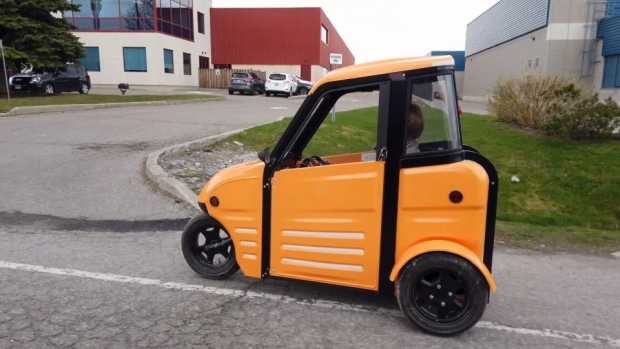
Frank Stronach, founder of the international automotive parts company Magna International, is in the process of developing the “Sarit,” an electric single-seat vehicle with three wheels that’s small enough to take advantage of city bike lanes.
Frank Stronach, founder of the international automotive parts company Magna International, is in the process of developing the “Sarit,” an electric single-seat vehicle with three wheels that’s small enough to take advantage of city bike lanes.
It is easy to spot control freaks these days: they shout at you in stores if you aren’t masked up; they pump out fear through newspapers; and they twist your arm to take experimental jabs. But the wheeling and dealing doesn’t stop there; now they want to sneakily get under your hood.
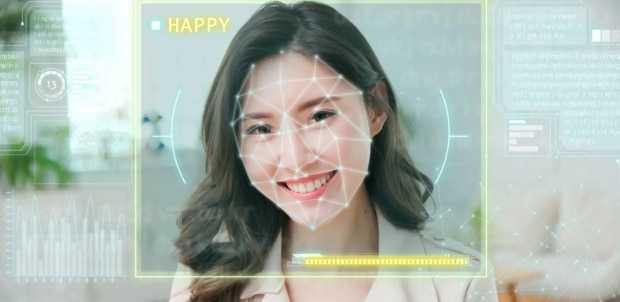
Emotion recognition technology (ERT) is in fact a burgeoning multi-billion-dollar industry that aims to use AI to detect emotions from facial expressions. Yet the science behind emotion recognition systems is controversial: there are biases built into the systems.
Many companies use ERT to test customer reactions to their products, from cereal to video games. But it can also be used in situations with much higher stakes, such as in hiring, by airport security to flag faces as revealing deception or fear, in border control, in policing to identify “dangerous people” or in education to monitor students’ engagement with their homework.

‘Mask of the Future’—dubbed the ‘Smart Mask’ will control all physical movements of its wearers rather than protect them from the Coronavirus and its sure to come, many mutations.
They call it “Breath Sensor Technology”.
Every breath you take
Every move you make
Every bond you break
Every step you take
They’ll be watching you
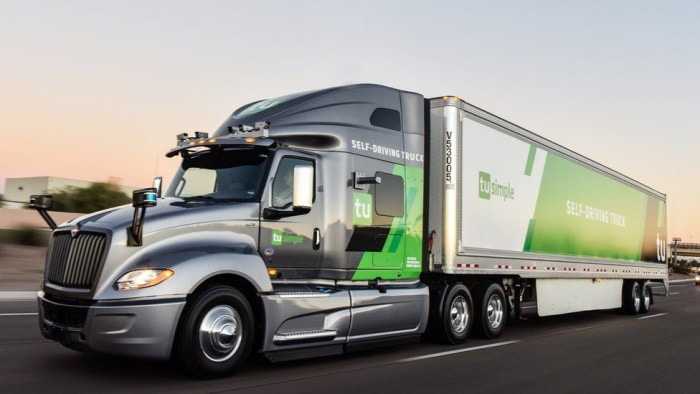
…Raj Venkatesan, a professor of business administration from the University of Virginia Darden School of Business, says that the potential for job displacement in the trucking industry is largely misunderstood.
For the foreseeable future, he explains, even autonomous trucks will still have “drivers” in the cab as a safety measure, to be on hand in case of mechanical problems or even speak to police in the event of an incident on the highway.
“It’s not clear at all now whether there will even be displacement,” he says. “You need the back-up driver. Within the next five or 10 years, it seems reasonable to expect some movement towards autonomy, but with a co-pilot. In my view, it’s like a long-haul flight. The plane can be put on autopilot, but you still have the pilot.”
That seems a reasonable assumption but make no mistake jobs will be lost.
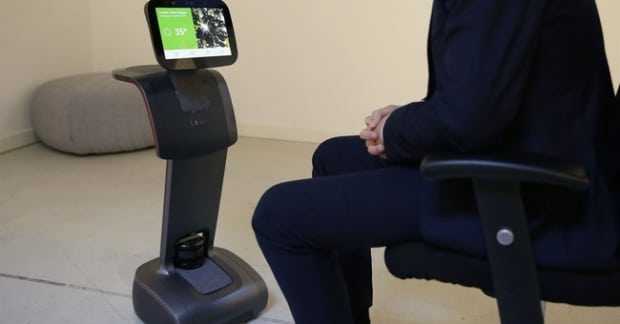
For many of us visions of the future have often included images of robots who can think on their own and perform tasks. In some visions, those robots were in a Jetson’s style universe with floating objects and robots who make our lives easier. For others, they envisioned a dystopian Terminator style landscape where robots are trying to kill us.
While these scenarios make for great TV’s and movies – the reality is much more nuanced, but still very exciting. We are seeing firsthand that robotic and artificial intelligence (AI) technologies are becoming a regular part of our lives and our economy and we are all better off for it -that is if the politicians and cronies can get out of the way.
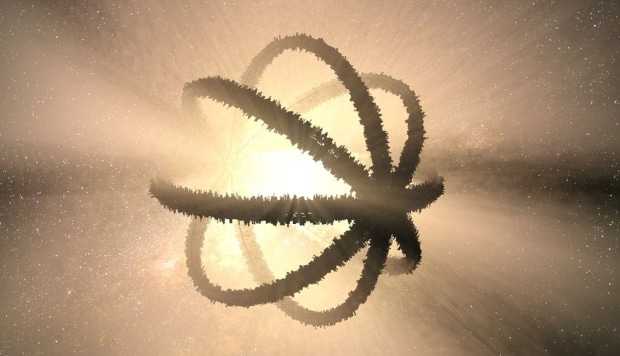
Here’s how it will go down: A megastructure called a Dyson Sphere will provide a superintelligent artificial agent (AI) with the enormous amounts of power it needs to collect as much historical and personal data about you, so it can rebuild your exact digital copy. Once it’s finished, you’ll live your whole life (again) in a simulated reality, and when the time comes for you to die (again), you’ll be transported into a simulated afterlife, à la Black Mirror’s “San Junipero,” where you’ll get to hang out with your friends, family, and favorite celebrities forever.
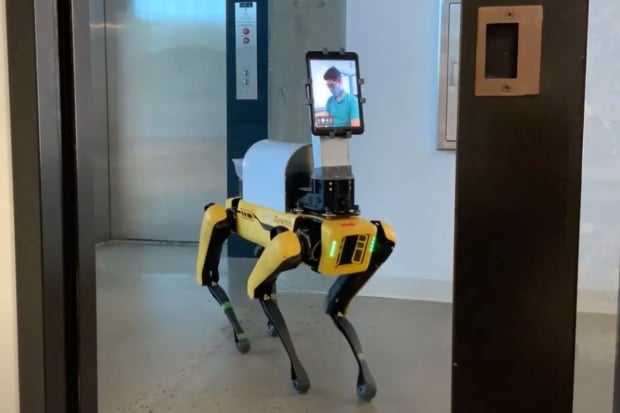
Dr. Spot, a dog-like mobile robot programmed to triage hospital patients, is the newest front-line health-care worker to join the fight against COVID-19.
Grandma is going to freak out.

Will the stereotypical “Western diet” be a meatless diet within the next two decades? A new survey finds one-third of Americans think people will all be eating meat-free diets in the future and that “the future” is closer than you think.
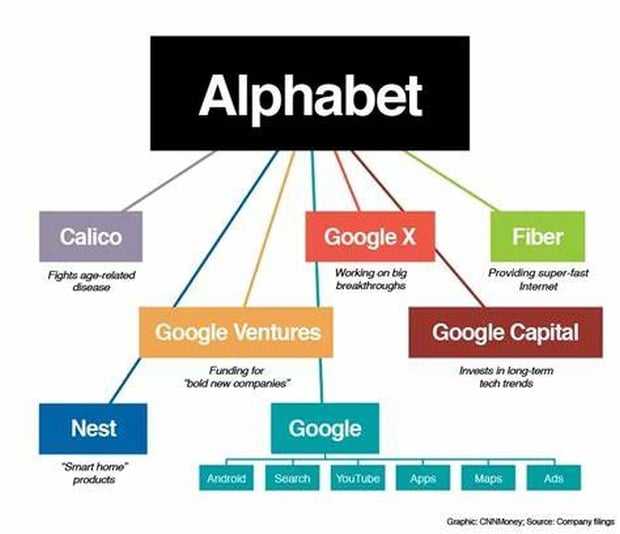
X, a company focused on moonshot ideas that’s owned and operated by the Google parent Alphabet, is now working on a project named “Wolverine” after the X-Men superhero due to his heightened senses, Business Insider reports. The ultimate goal is to develop tech that lets people filter out a specific source of noise, perhaps granting abilities like being able to focus on just one speaker out of a noisy crowd.
One way or another, this will be used against ordinary citizens.
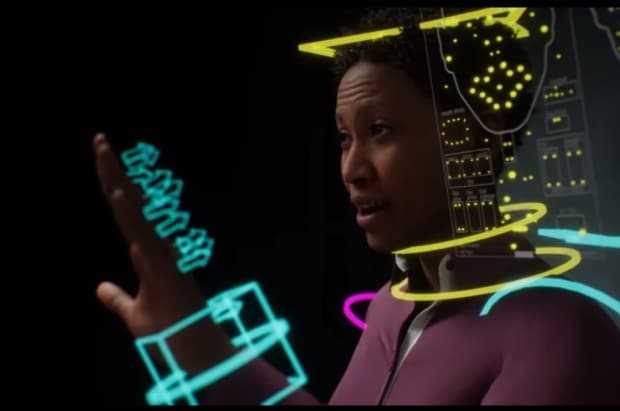
Epic Games just released the first demos for MetaHuman Creator, bringing us one step closer to living in a simulation. The cloud-based app has an intuitive interface, allowing minimally competent users to create ultra-realistic digital humans “in less than an hour, without compromising on quality.”
Just as Pro Tools gave burnouts the power to make techno, or PhotoShop let perverts alter celebrity images, soon anyone with a decent laptop will be able to generate a deepfake. It’s gonna be hilarious—at first.
h/t Marvin
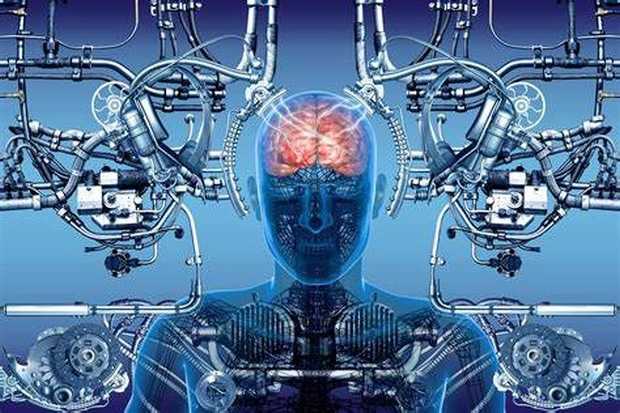
Over the course of the next decade humans will integrate more with technology to ‘upgrade’ our lives including brain chips and exoskeletons, a new report claims.
Produced by dentsu, a global advertising and digital agency, the report looks at ways the world could change over the next 10 years and the impact on global brands.
h/t Marvin
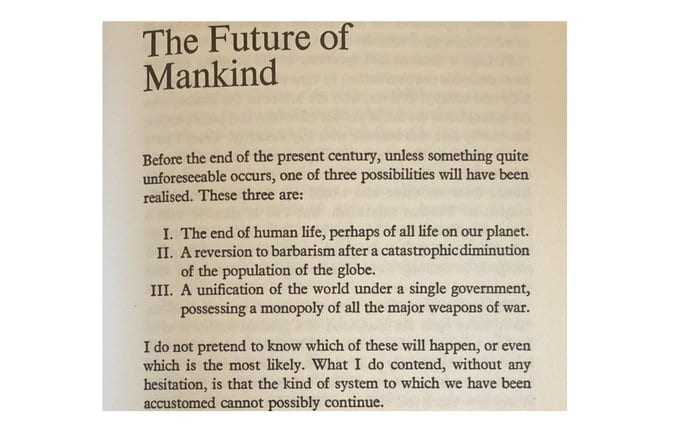
In 1950, Bertrand Russell published an essay entitled The Future of Mankind, which opens with a stunning prediction.

“Over at The Debrief, Mike Damante has a report on a new study from the Max-Planck Institute for Humans and Machines dealing with advanced Artificial Intelligence and some of the challenges we face as this technology continues to expand into new territory on a continuing basis. (You can read the results of their study here.) The upshot of the study is a conclusion that the actions of increasingly smart AI systems may be hard to predict, leading them to be “uncontrollable.” But as Mike points out, we’re not talking about an I Robot situation here, or at least not yet.”
