
Justin Trudeau’s top priorities ever since his election in 2015 have been action on climate change and a “renewed nation-to-nation relationship” with Indigenous people.
But what happens when your top priorities crash headlong into one another?
Justin Trudeau’s top priorities ever since his election in 2015 have been action on climate change and a “renewed nation-to-nation relationship” with Indigenous people.
But what happens when your top priorities crash headlong into one another?
It could have been worse. King Charles could have ascended to his desert dais and pronounced that we had just 96 months to avert “irretrievable climate and ecosystem collapse”. But that was the Right Charlie back in 2009, giving us the benefit of his sandwich-board scientific wisdom. These days it is all fashionable bad weather and undefined “tipping points”. The man is now King, and at COP28 he threw away his irksome politically-neutral constitutional role, wrapped himself in Guardianista pseudoscience, and punched down hard on the poor who will be forced to pay for the collectivist madness that is the Net Zero project.
h/t Everyone who sent this in
It’s quite a study in contrasts. Right after First Nations’ leaders commenced a court challenge against the beleaguered federal carbon tax, Environment Minister Steven Guilbeault thought it a good idea to hop on a plane and burn some GHGs to head to a climate change party in Dubai.
One of these two actions is completely tone deaf and out of step with the daily concerns of regular folks, and I think it’s fair to say anyone who is struggling to make ends meet during this affordability crisis can easily identify which one it is.
The president of Cop28, Sultan Al Jaber, has claimed there is “no science” indicating that a phase-out of fossil fuels is needed to restrict global heating to 1.5C, the Guardian and the Centre for Climate Reporting can reveal.
Al Jaber also said a phase-out of fossil fuels would not allow sustainable development “unless you want to take the world back into caves”.
The comments were “incredibly concerning” and “verging on climate denial”, scientists said, and they were at odds with the position of the UN secretary general, António Guterres.
h/t Mauser & DS
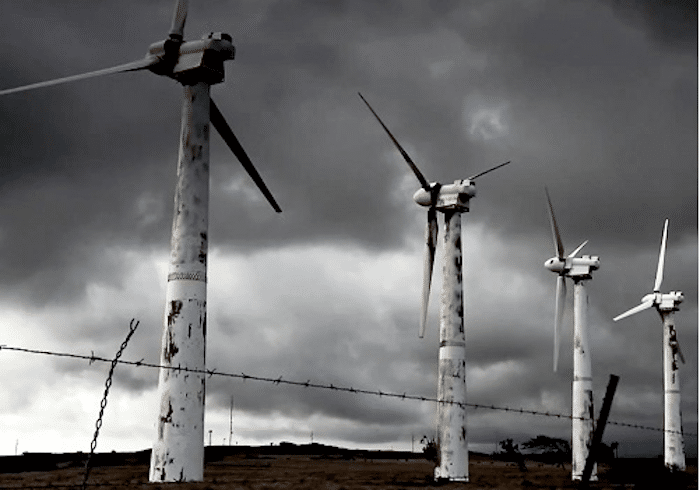
Large fissures are appearing in the “ Green Transition” story climate crusaders tell themselves. They are trying to foist it on a reluctant public and sceptical business world.
One recent such crack is the carve-out on carbon taxes for heating oil in the politically- fickle Atlantic provinces. Provincial premiers are trying to get the same treatment for other heating fuels.
Yet, politicians who still hew to the climate crisis orthodoxy remain unrepentant. Montreal ’ s city council has announced that all new buildings of three stories or less will not be permitted to use natural gas heating. Taller buildings would face the ban later. Several cities and states in the United States are also trying to restrict natural gas use. Their efforts seem desperate.
Prime Minister Justin Trudeau stepped in it when he removed the carbon tax from furnace oil, while leaving 97% of Canadians out in the cold.
Even in Atlantic Canada, where Trudeau tried to buy off MPs with the carve-out, 77% of people in the region support carbon tax relief for everyone.
The federal government says Canada’s promised oil and gas emissions cap framework could drop any day.
Environment Minister Steven Guilbeault — now in Dubai for the 2023 United Nations Climate Change Conference, better known as COP28 — said Friday he would be “shocked if this framework wasn’t presented at the end of this conference.”
Prime Minister Justin Trudeau confirmed the Liberal government’s plan to impose a lid on emissions from the oil and gas sector at a previous COP summit in 2021.
A month after the federal government exempted home heating oil from its punitive carbon tax, another group is demanding a carve-out — and putting the government in a thorny position.
The Chiefs of Ontario and Attawapiskat First Nation have filed a lawsuit against the federal government over what they allege is “discriminatory and anti-reconciliatory application of the Greenhouse Gas and Pollution Pricing Act (GGPPA)” to First Nations. Their main arguments resemble those advanced by rural communities, notably a lack of options when it comes to fuel for things like transportation or industry.
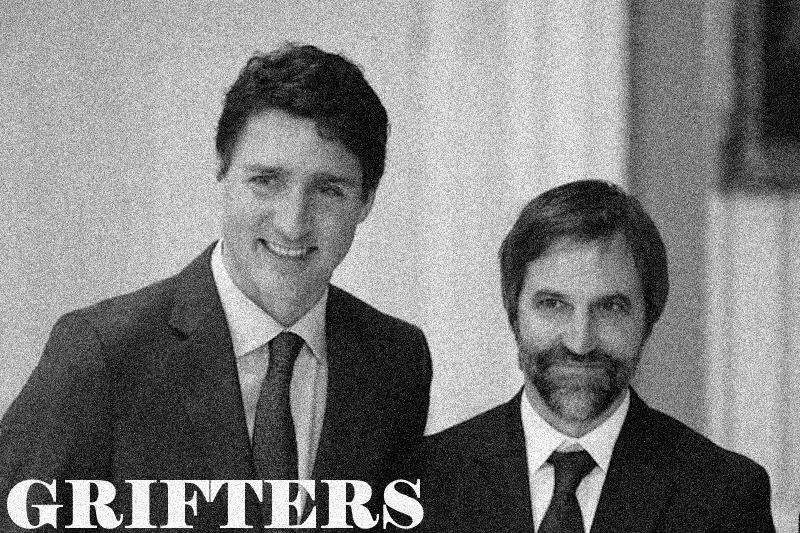
After nations agreed to a landmark deal to create a global climate damage fund on the first day of climate talks at COP28, Canada pledged its own support on Friday and joined the list of developed countries to back the new deal.
Environment Minister Steven Guilbeault announced an initial commitment of $16 million toward the loss and damage fund.
“We think this is a significant step forward,” Guilbeault said to reporters shortly after the opening of the Canadian pavilion at COP28 in Dubai, United Arab Emirates.

Saskatchewan Premier Scott Moe says the province intends to stop collecting the carbon levy on electric heat.
In a video posted to X Thursday morning – Moe and Saskatchewan Party MLA for Athabasca Jim Lemaigre announced the change would go into effect on Jan. 1, 2024.
According to the province, around 85 per cent of Saskatchewan homes are heated by natural gas – with the remaining 15 per cent using electric heat among other sources.
 The EU is now finding more ways to take away your freedoms. They want to take away ownership of your old car and scrap it! Yes, you read that correctly.
The EU has something called End-of-life vehicles directive, and they are looking to expand this to become so draconian that it reminds of something that would have happened in the Communist Soviet Union.
h/t Bataviawillem
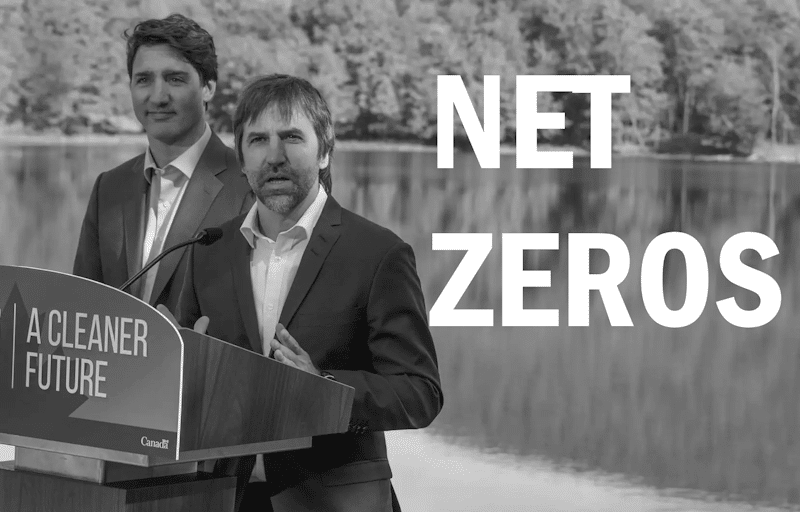
Alberta Premier Danielle Smith says she’s using the province’s Sovereignty Act for the first time to challenge Ottawa’s requirements to have a net-zero electricity grid by 2035.
Smith said she wanted to invoke the act to send a message that her government is serious about pushing back against Ottawa’s plan to green Canada’s electricity grid by 2035, a plan she says could wreak havoc on Alberta’s natural gas-based grid.
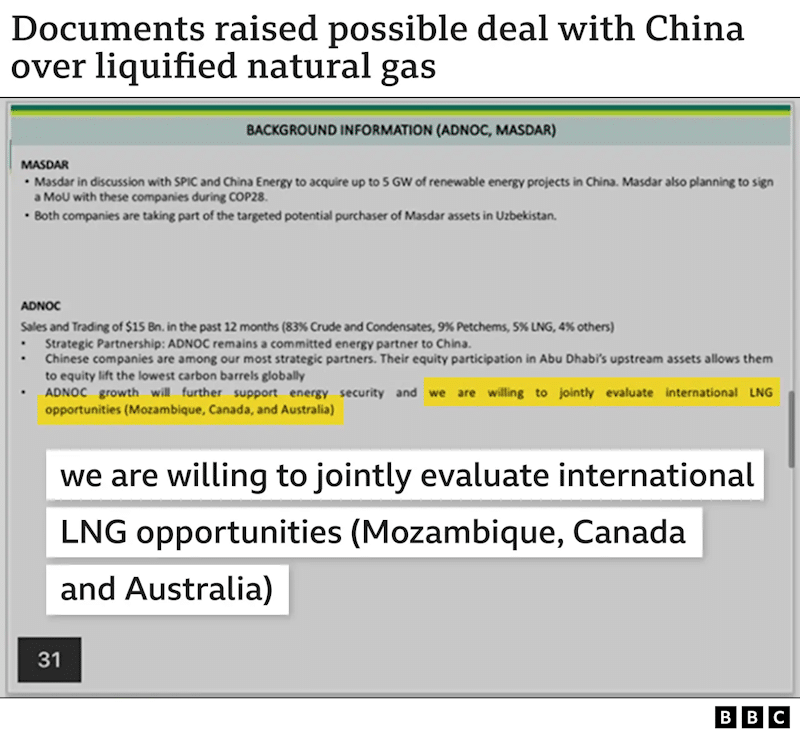
The United Arab Emirates planned to use its role as the host of UN climate talks as an opportunity to strike oil and gas deals, the BBC has learned.
Leaked briefing documents reveal plans to discuss fossil fuel deals with 15 nations.
The UN body responsible for the COP28 summit told the BBC hosts were expected to act without bias or self-interest.
The UAE team did not deny using COP28 meetings for business talks, and said “private meetings are private”.
I’m sure some of the UN boys have had their palms greased. Which Canadians attended?
One of the many ironies of the Trudeau government’s clean energy strategy is that it means dramatically increasing the number of mining operations in Canada and approving them far more quickly than in the past.