Canada’s EV transition could cost more than $300 billion by 2040, report says

Canada’s electric-vehicle transition could cost more than $300 billion by 2040 as the installation of charging infrastructure expands, upgrades to the electrical grid are made and other changes take place, according to a report released by Natural Resources Canada.

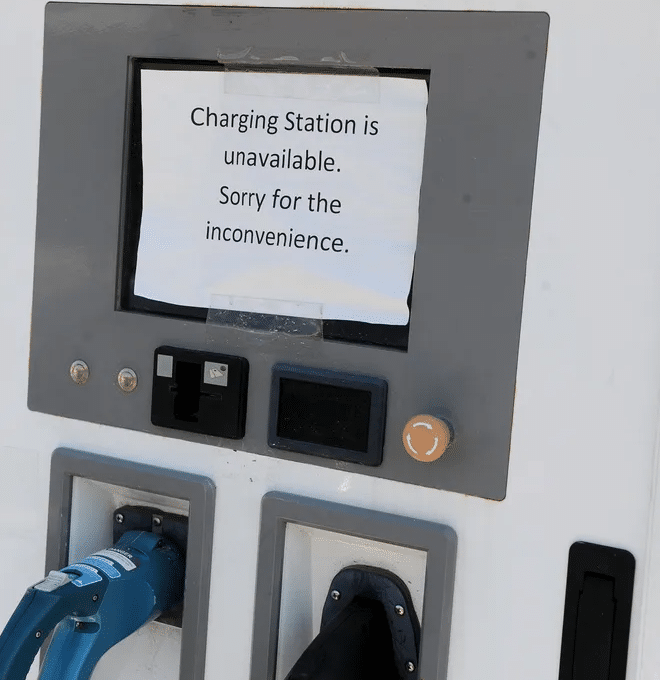
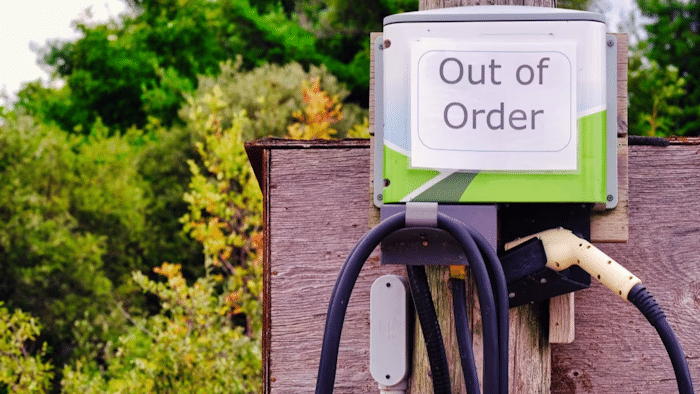
The report, an update to a 2021 study that Natural Resources Canada also commissioned, forecasts that Canada needs to significantly accelerate the pace of installing charging infrastructure to add 40,000 public charging ports per year on average between now and 2040. That is a big increase given that there are currently around 32,000 public ports across the country, and roughly 11,000 public charging ports were installed in 2023.

Share

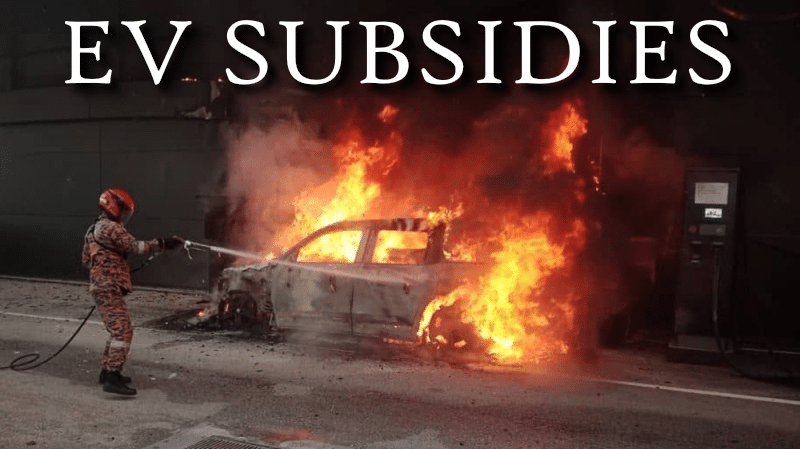
Ontario insists EV subsidies not wasted as Ford Motor Co. plans gas trucks for Oakville

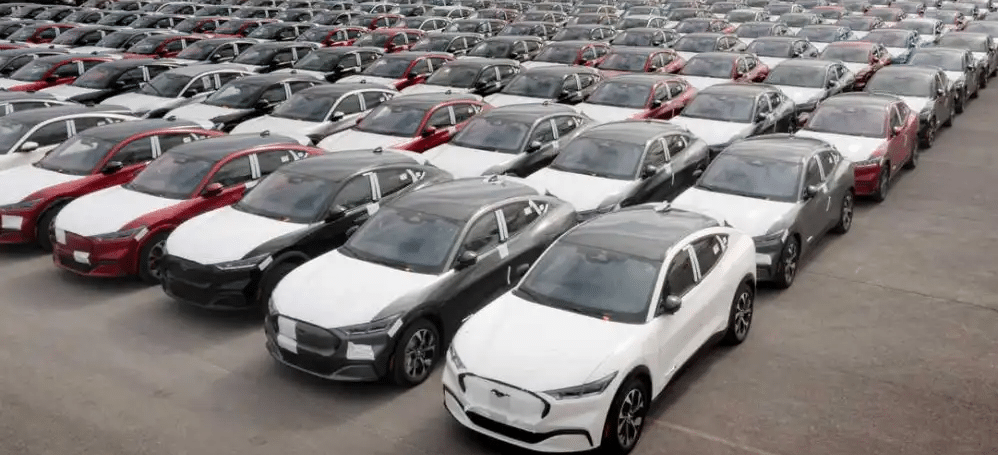
The Ontario government is insisting that billions of dollars spent attracting electric vehicle manufacturers to Ontario have not been wasted after the Ford Motor Company announced it would produce a gas-powered truck at a plant originally meant for zero-emissions vehicles.

On Thursday, the American auto giant said it would produce F-Series Super Duty trucks at its Oakville Assembly Complex beginning in summer 2026, with an electric version to follow “later this decade.”

h/t DS

Share

Ottawa unveils net-zero scam to phase out oil-fired furnaces and support heat pumps

The federal government says it has a plan to start phasing out the use of oil-fired furnaces in new construction and get homeowners and businesses to switch to heat pumps over the next several years.

The finalized Canada Green Buildings Strategy, which is being released today, outlines Ottawa’s priorities for decarbonizing buildings — the third-largest source of climate-altering carbon emissions in Canada.

The strategy does not target natural gas and propane heating sources. While the document doesn’t explain in any detail how Ottawa means to phase out oil-fired furnaces, Energy Minister Jonathan Wilkinson said the federal government intends to use regulations and investments to encourage the switch to heat pumps.


At What Temperature Do Heat Pumps Become Ineffective?

Ultimately, the efficiency of heat pump systems depends on their temperature range, which is determined by the type of system you have. Most air-source and water-source heat pumps will become less efficient when temperatures drop below their respective ranges. That is -13°F (air source heat pump) or 45°F (water source).

Geothermal systems are designed to be more resistant to extreme cold weather but can still become ineffective if temperatures dip too low. For geothermal heat pumps, the ideal working temperature range is between 40°F and 75°F (4°C and 24°C).

Geothermal systems are expensive and not an option for many.

Share

Olympic ‘green’ cars are no such thing, say scientists

Toyota Mirai Hydrogen Vehicle

More than 100 scientists have criticised the choice of hydrogen-powered cars to transport athletes at the Paris Olympics, saying they are nothing like as environmentally friendly as claimed.

Hydrogen is being touted by Toyota, which is supplying the cars, and by the Paris 2024 organising committee as a green fuel that will ensure C02-free rides for the athletes as they are whisked past the traffic in the French capital in special “Olympic lanes” that opened on Monday. The lanes can only be used by vehicles accredited for the Olympics.

Share

EV mandates are under threat

By election-time 2025, EV mandates in Canada, the United States, and Europe may well be gone, or at least watered down

The language of law must not be foreign to the ears of those who are to obey it

For those for whom the mere mention of anything legalese is cruel and unusual punishment, let me apologize. Profusely. Were it not for an extremely important, but much-ignored, missive from Reuters last week, I, too, would avoid all things constitutional as forcefully as warm beer and tight stockings. Delving into the language of lawyers, as it turns out, makes Bernoullian physics seem simple and straightforward in comparison.

Share

World would need 55 per cent more copper mines to meet EV transition goals: study

The transition to greener, more sustainable transportation is impracticable as copper mine production cannot keep up with the rising global demand for electric vehicles, according to a new study.

“I think there’s a disconnect between, what the intentions are to meet the global warming challenges and the reality of the materials that are going to be required,” said Dr. Lawrence Cathles, an earth and atmospheric sciences professor at Cornell University.

Share

GAGNON: Trudeau’s ban on gas and diesel vehicles will hurt taxpayers

The federal government is going full throttle on its plan to ban new gas and diesel vehicles without any apparent concern about running into the reality of implementing electric vehicle standards.

Prime Minister Justin Trudeau announced the regulations in 2022. Unsurprisingly, the government still hasn’t provided much explanation about how people will pay for new electric cars or where they’ll get the power to charge them. And we certainly haven’t seen the full bill.

Share

EV Boosters Cannot Do Math

“… For a city with 120,000 homes, which today may require about 2,000 transformers, the addition of 120,000 home-charged electric vehicles means adding 1,000 transformers, about $8 million. But that’s just the tip of the iceberg, because distributing 50 to 100% more household electricity requires generating 50 to 100% more electricity.

All this costs money that most Americans today do not have, especially at the generation end. Especially with the push to eliminate electric generation from coal and natural gas and even nuclear energy. It also requires massive construction of electric infrastructure, from transmission lines to transformers to in-home charging stations accompanied by larger electric fuse boxes.”

Share

Philip Cross: Canada’s ‘energy blindness’ must end

In its monthly update on energy trends, Statistics Canada reported this week that this year, for the first time ever, Canada has become a net importer of electricity. The switchover in our electricity trade balance reveals the shortcomings of an energy strategy that now emphasizes decarbonization over energy security, leaving customers vulnerable to supply shortfalls and higher prices.

Share

Alberta’s Brian Jean on the Trudeau government’s losing ‘radical environmental agenda’

Somewhere in Ottawa, the soon retiring NDP MP Charlie Angus must be rubbing his hands in glee. Thanks to his mischief, the oil and gas sector’s biggest players have been squelched. Mission accomplished!

Not only has Angus figured out how to hijack parliamentary committees, routinely hauling energy company CEOs into Ottawa for public scoldings, his successful push for a new “greenwashing” rule in omnibus Bill C-59 has achieved his desired effect. Several blue-chip companies, including the Pathways Alliance group of oilsands companies, have scrubbed all content from websites and social media.

Share

Net Zero to cost billions more than Trudeau government first reported, PBO says

Achieving “net zero” carbon emissions in Canada will reportedly cost billions more than what the federal government has claimed.

On Wednesday, the Budget Office said a calculation error was uncovered for tax credits intended for a green economy by 2050, according to Blacklock’s Reporter.

I don’t believe it was an “error”. The Liberals always lie.

Share

Blood nickel: What electric-vehicle hunger has wrought, and how Canada can hel

Blood diamonds, blood cobalt, and now blood nickel. Governments leading the global shift toward electric vehicles promise cleaner cities and a new era of sustainable energy and improved resource usage. But just as governments promote EVs on environmental grounds, manufacturers are forced to source nickel from a region enabling the wanton destruction of ecologically sensitive lands, reckless treatment of workers, and the fundamental deterioration of living conditions. There is only one solution to this problem: the world needs more Canadian nickel.

EV’s look bad from more angles than the general public is yet aware of. No one is going to give up their Blood Nickle, not easily.

Share

Prospect of tariffs on Chinese EVs divides Canada’s Blue-Green alliance

The rise of electric vehicles helped bring environmentalists and the Canadian auto sector closer together. Now, the threat of Chinese-made electric vehicles is pushing them apart.

A schism between the two sides came into view last week after the federal Liberals announced a 30-day consultation on how to protect Canadian auto workers from what Deputy Prime Minister Chyrstia Freeland characterized as a potential flood of cheap EVs from China.


It’s not a healthy market period and likely to collapse without China’s help.

Northolt’s battery factory in Montreal could be delayed as EV market cools

Share

Who covers the gas tax when the electric revolution hits?

Canadians have been standing at filling stations for decades, so they’re probably not thinking too much about the taxes they pay on their gas or where that money goes, but that may change as more electric vehicles are sold.

Alberta this past spring slipped EV owners a bill for $200 — due every year on top of the standard registration fees — to account for the wear and tear on roads their cars cause. In doing so, it joined Saskatchewan and a number of jurisdictions in the United States that have imposed additional fees on EV drivers to compensate for the fact that they’re not paying taxes on gasoline.

Share