In Canada, some police are ‘worse than the burglar’ for those defending themselves

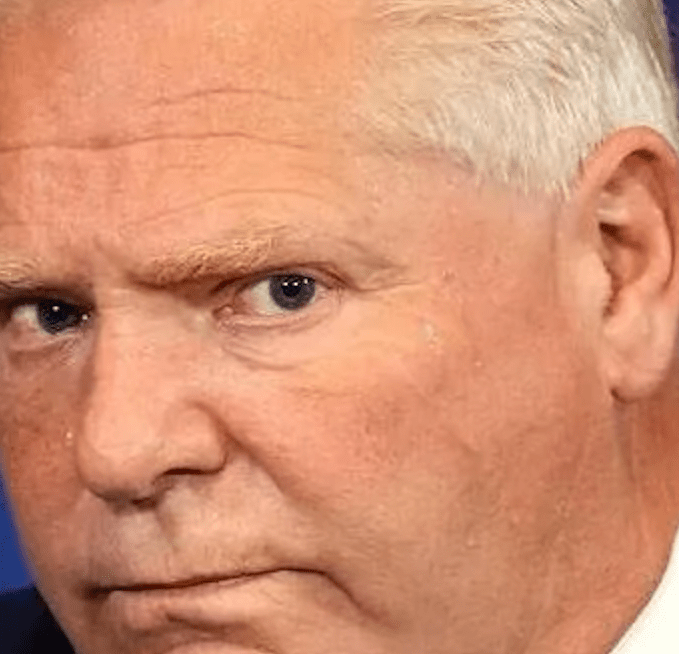
The debate over self-defence law in Canada has been thrust back into the spotlight following an incident in Vaughn, Ontario. York Regional Police have decided not to charge a homeowner who shot and wounded one of three armed and masked suspects who had allegedly forced their way into the man’s home. Ontario Premier Doug Ford even weighed in on the case, offering “congratulations” to the homeowner and adding that, “I’m glad you shot the guy.”

Share

Supreme Court to Hear Challenge to Federal Firearms Ban

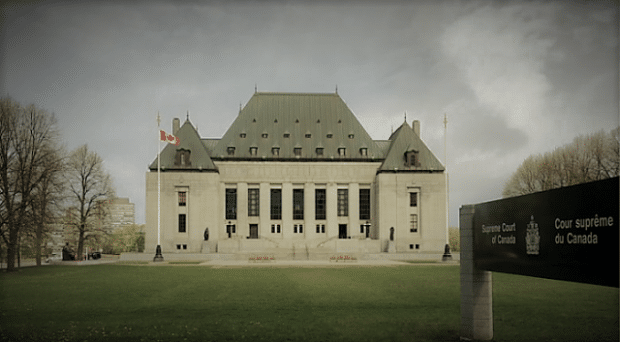
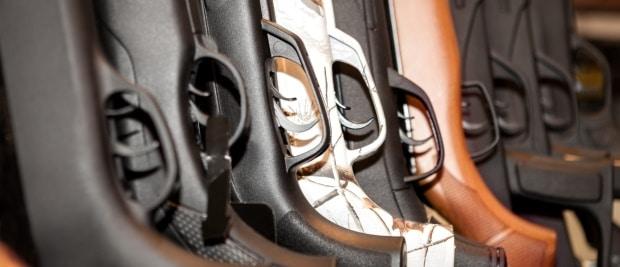
The Supreme Court of Canada has agreed to hear a challenge against the Liberal government’s ban on around 2,500 types of what it calls “assault-style” firearms.

On March 19, the top court granted leave to hear an appeal challenging the federal ban on firearms that Ottawa classifies as suitable only for military use, rather than for hunting or sport shooting.

Share

MACLEOD: Declare, surrender, or become a criminal — deadline facing Alberta gun owners

In Alberta, firearms were never just policy. They were tools. On farms, ranches, and in rural communities, they were part of daily life: pest control, livestock protection, and hunting for food. That agrarian foundation shaped a culture of responsibility and familiarity. In much of eastern, urban Canada, firearms are viewed through a different lens — crime prevention, public safety risk, metropolitan policing. That cultural divide sits beneath today’s conflict.

Share

Liberal gun buyback program goes from bad to farce

The federal Liberals’ gun buyback scheme just keeps getting more and more expensive and more and more useless by the week.

Late last year, the feds conducted a trial run of their confiscation program, more than five years after they first announced it. For six weeks on Cape Breton, regional police accepted banned guns that were being turned in by their owners in return for compensation.

Share

Are Canada’s ‘red flag’ gun laws working? No one can say

“Red flag” orders were billed as a faster, simpler way to keep Canadian communities safe by temporarily removing legal firearms from the hands of those who might do themselves — or others — harm. They were part of a suite of gun control measures introduced in the wake of 2020’s Portapique, N.S., mass shooting, the deadliest in the country’s history.

But more than two years after the orders finally became federal law, it’s unclear if they are working as designed — because no one appears to be keeping track of when, where or how often they are being implemented.

Share

BERNARDO: The RCMP wants your data again — why millions of gun owners don’t trust them

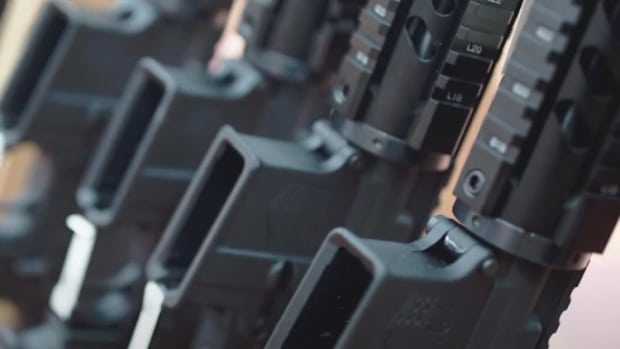
Six years ago, an Order-in-Council (OIC) banned more than 2,500 models of what Ottawa calls “assault-style” firearms. That OIC included common hunting and sporting rifles that were owned, stored, and used legally.

In January 2026, Mark Carney’s Liberal government finally launched its long-promised “Assault-Style Firearms Compensation Program.”

Share

Quebec Public Safety Minister Says Provincial Gun Registry Won’t Be Used to Confiscate Firearms

Quebec Public Safety Minister Ian Lafrenière says the province’s firearms registry cannot be used by Ottawa to identify gun owners who are affected by the federal gun ban, nor will firearms be confiscated from Quebecers.

Lafrenière made the comments in a Feb. 26 social media post, saying he has heard the concerns about the federal gun buyback program from residents of the province.

Share

The State Of The Canadian Gun Ban/Buyback

What’s going on in the Canadian gun world these days? Same as always—more legal wrangling back-and-forth between shooters and the government. But there have been some relatively major recent developments with the federal government’s so-called buyback. The feds are steaming full speed ahead, or trying to, while an increasingly large number of partners are telling the government, “We’re not helping.”

Share

Minnesota Democrats’ Priorities: Owning AR-15 Gets You More Jail Time Than Attempted Rape

I’m not making this one up. Minnesota’s Democrats, called the Democratic-Farmer-Labor Party because we are weird here, have proposed a law to make owning an AR-15, the most popular rifle in America, selling 3-4 million copies a year, a felony with a sentence of up to five years.

Attempting to rape somebody in the presence of a child is, in Minnesota statutes, a lessor crime than owning one if this law passes.

Share

Nunavut gov’t says no police resources will be used on federal gun buyback program

The Nunavut government says it will not be using police resources on the federal gun buyback program, and solutions proposed by Ottawa do not apply to the territory.

More than 2,500 types of so-called “assault-style” weapons have been illegal in Canada since 2020. The federal government has an amnesty order in place for the guns and is offering to buy them back from businesses and individual owners.

Share

BERNARDO: RCMP ‘clarification’ — will the Liberal government use the military against its own citizens again?

The RCMP Communications team emailed CSSA last week to “clarify” the RCMP’s role in the Liberal government’s Firearms Confiscation Compensation Scheme.

That clarification confirmed everything we said about them in our commentary, “Ottawa Flips the Switch on Gun Confiscations, Hands Control to the RCMP.”

(Incognito)

Share

Gun control is popular in Canada. So why is a major buyback program attracting criticism?

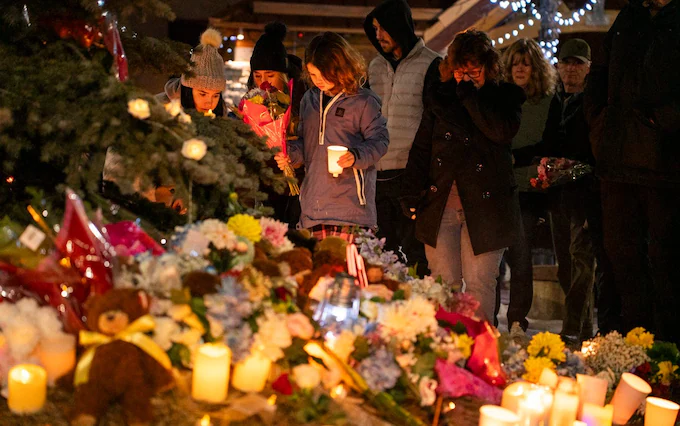
The deadly mass shooting at a school in British Columbia came as Canadian authorities face significant obstacles in rolling out a nationwide firearms buyback that is mired in practical and logistical complications.

Canada already has far stronger gun laws than the United States, and mass shootings are extremely rare. The government brought forward major reforms and bans on assault-style weapons after the country suffered its worst-ever shooting attack in 2020, when a man impersonating a police officer killed 22 people in northern Nova Scotia.

Share