Canada’s first battery plant in Windsor will produce energy storage batteries as EV sales slump persists

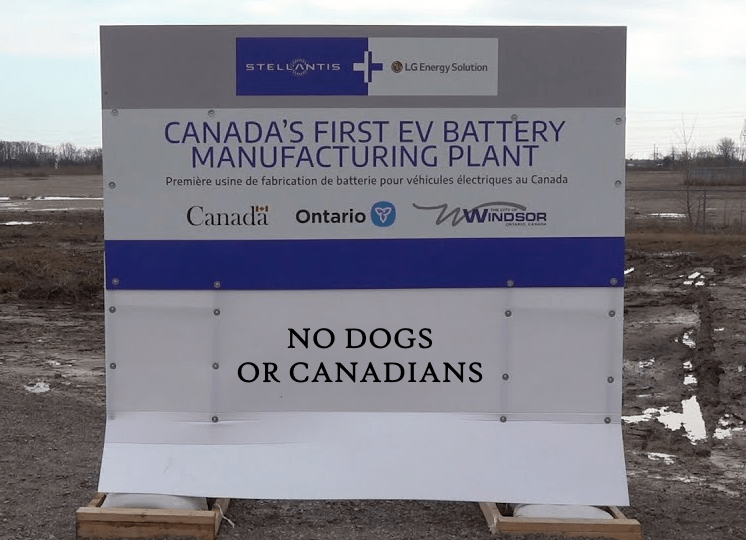
Nextstar Energy Ltd. will produce batteries for energy storage, not electric vehicles, when its gigafactory in Windsor, Ont. begins commercial production next month.

Expanding into the growing market for energy storage production will keep the plant busy until EV sales pick up again, said Danies Lee, chief executive of Nextstar.

“The EV market is slowed down,” said Lee, chief executive of Nextstar. “It’s like a trend that will come soon, but it does not come as soon as we expect it, so while we are waiting, we have this opportunity from the (energy storage system) ESS market.”


Share

Billion-dollar government deals with Stellantis, NextStar for EV battery plant revealed

Confidential government deals worth billions of dollars to help fund a Stellantis-backed electric vehicle battery plant in Windsor, Ont., carry dozens of conditions that, if violated, give federal officials the power to end the agreements and even force repayment in some cases, according to copies obtained by CBC Windsor.

It is unclear, however, if the contracts contain guarantees related to the company’s broader footprint in Canada, as elected officials have claimed. Some portions of the documents are redacted, so the full terms of the agreements are unknown.

Share

Automakers urge Ottawa to scrap electric vehicle mandate

Domestic auto manufacturers are calling on cabinet to permanently repeal Canada’s electric vehicle sales mandate, saying it penalizes the industry and threatens competitiveness.

Blacklock’s Reporter says Brian Kingston, CEO of the Canadian Vehicle Manufacturers’ Association, told the Commons industry committee the policy could be overturned immediately to benefit Canadian automakers.

Share

GUNTER: Ottawa’s EV mandate just isn’t possible in the time frame

Brian Kingston, CEO of the Canadian Vehicle Manufacturers’ Association, Monday asked the Commons industry committee to recommend scrapping the federal EV mandate for good, not just for 2026. In September, Prime Minister Mark Carney suspended the EV mandate for next year that would have dictated carmakers ensure at least 20% of the cars and light trucks sold next year were EVs.

Share

Canada’s electric vehicle supply chain is fading. Will dreams of making the country an EV powerhouse survive?

Amidst a collapse in electric vehicle sales and persistent United States tariffs, there’s an emerging consensus that the grand vision to transform Canada into an electric vehicle manufacturing powerhouse is dying.

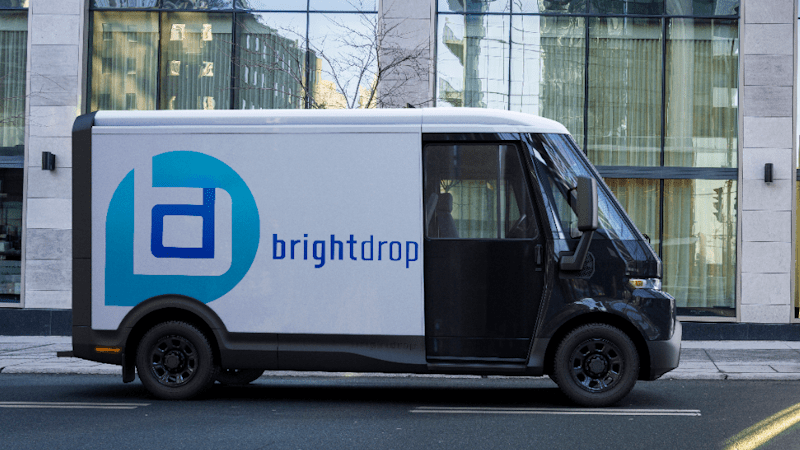
General Motors Co. announced earlier this week that it would end production of its BrightDrop electric delivery van, leaving 1,000 workers in Ingersoll, Ont., with an uncertain future. Last week, Stellantis NV confirmed it will not start EV production at its Brampton assembly plant next year as originally planned, provoking threats of a lawsuit by the federal government.

Share

McTEAGUE: The EV mandate is killing our automotive industry

GM Brightdrop EV Dropped

Another day, another calamity for the Liberals’ attempt to turn Canada into a global Electric Vehicles (EV) superpower: General Motors has just announced that they’re ending production of Bright Drop electric delivery vans at their assembly plant in Ingersoll, Ontario.

According to GM Canada’s President, Kristian Aquilina, “These Bright Drop vans are a specialized electric delivery van for commercial customers and, quite simply, we just have not seen demand for these vehicles climb to the levels that we initially anticipated.”

Share

$15B and No Guarantees? Rick Perkins Breaks Down the Stellantis Deal

For weeks, Canadians were told, confidently, smugly, that the $15 billion handed to Stellantis and Volkswagen was protected by “job clauses” and “performance-based contracts.” That’s the line Industry Minister Mélanie Joly repeated in interviews, press releases, and on social media. It’s a lie.

Yesterday, we sat down with former Member of Parliament Rick Perkins one of the few people who actually read the unredacted contracts in question and he laid it out plainly: those job guarantees don’t exist. Not in the way you were told. Not even close.

Share

GOLDSTEIN: EV subsidies albatross around necks of Canadian taxpayers

With Canada’s auto sector already under assault from U.S. President Donald Trump’s tariffs, the $52.5 billion the federal and provincial governments have earmarked to create a domestic electric vehicle supply chain industry in Canada have become an albatross around taxpayers’ necks.

Share

Ontario hit NextStar EV battery plant in Windsor with 10 stop work orders over hazards, documents show

Nexstar was found to be employing foreigners

Workers at a massive, publicly subsidized electric vehicle (EV) battery plant project in southwestern Ontario have faced repeated health and safety hazards, including high levels of carbon monoxide, electrical risks and flooded parking lots, according to government records obtained by CBC News.

The documents show provincial inspectors have visited the site dozens of times since construction broke ground in 2022 and have issued over 100 orders to NextStar Energy, the company behind the project, that were related to health and safety issues.

Share

Poilievre demands federal government release its contracts with Stellantis

The Conservative Party of Canada is calling on the federal government to publicly release its contracts with Stellantis following the company’s announcement Tuesday that it is scrapping plans to produce the Jeep Compass in Brampton, Ont., and going with a U.S. plant instead.

The demand was made in a letter sent on Friday to Prime Minister Mark Carney by the leader of the official opposition, Pierre Poilievre.

“You claimed yesterday that Stellantis is obligated to keep jobs in Brampton, yet auto workers have been left in the dark about what Canadians got for the $10 billion your government promised to that company,” Poilievre wrote in the letter.

Share

Canada’s costly EV scheme stalls out again

On Wednesday, laid-off employees at the Stellantis plant in Brampton, Ont., received a robocall delivering bad news: they had no jobs to go back to.

It was another stall on the road for Canada’s automotive strategy, which has seen federal and provincial governments dole out mounds of cash and add regulations and protective tariffs in a floundering attempt to create more jobs and build a state-of-the-art electric vehicle industry.

Share

Stellantis announcement only looks like bad news

This week’s announcement by automaker Stellantis that it’s moving Jeep Compass production from its Brampton, Ont., plant, to Illinois, highlights the folly of Ottawa’s policy of competing with Washington. But it also provides Canada an opportunity to reduce taxpayers’ exposure to the sagging electric vehicle battery market.


This could be a very lucky break for tax payers.

Share