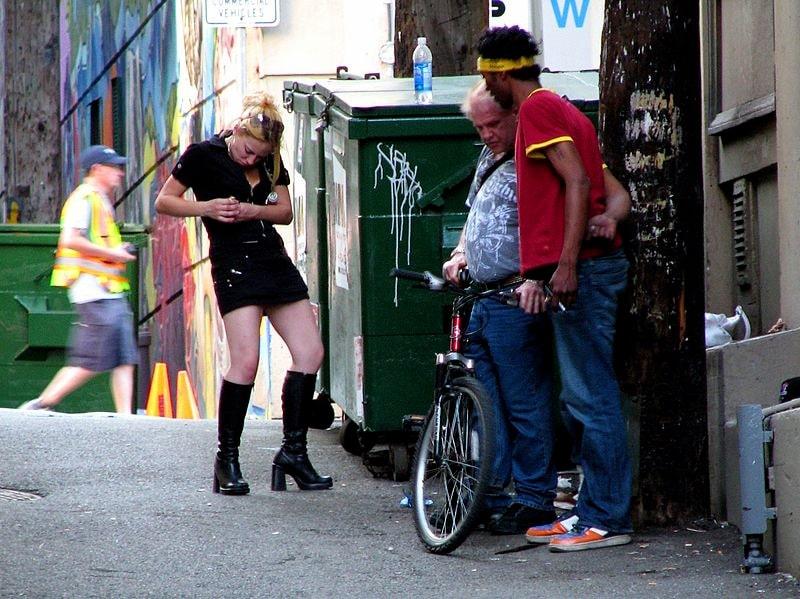
“Safer supply” advocates want you to believe that their solutions to Canada’s addiction crisis are working. They claim that by providing drug users with free, government-funded substitutes for potentially tainted illicit substances, overdoses can be reduced and lives can be saved.
Alberta is entering election season, and an unlikely issue could prove crucial: The United Conservative Party’s plan to force chronic drug addicts into treatment, a bold but controversial measure that could have resonance for provinces across the country struggling with street violence and disorder.
The Compassionate Intervention Act — whose existence was first revealed earlier this month through an access to information request — would be Canada’s first legislation laying out a path to push an addict into treatment against their will. Although coerced treatment currently exists for criminal offenders or the severely mentally ill, this would apply specifically to chronic addicts believed to be at immediate risk to themselves or others.
Fentanyl has changed everything — except the policies we use to fight it
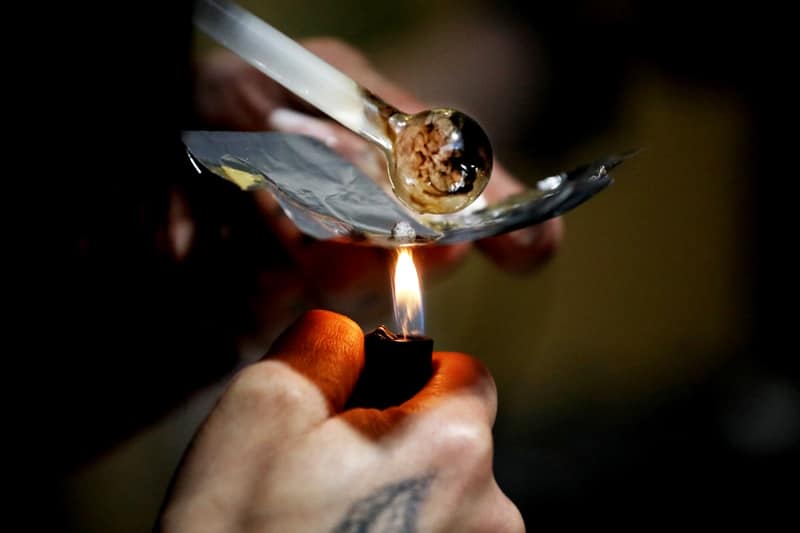
I stepped through a hole in the chainlink fence surrounding Portland’s O’Bryant Square and saw four people nodded out and three smoking fentanyl. The man who had supplied them was standing nearby; he gave me a nod and continued with his business.
Built in 1973, the park is mostly brick and concrete with its dominant feature a bronze fountain in the shape of Portland’s iconic rose. It was permanently closed and fenced off in 2018. The city blamed “structural issues,” but the real reason for closing the park was that it has long been a well-known place to use drugs. As a teenager in the late 1980s I used to skateboard there. As I practiced ollies, I often observed LSD and marijuana deals.
The Alberta government is considering introducing a law that would broaden the circumstances under which people with severe drug addictions could be placed into treatment without their consent.
The legislation would be the first involuntary treatment law in Canada to target addiction specifically. Some jurisdictions, including Alberta, already use mental-health law to push people into drug treatment without court orders in exceptionally severe situations. But otherwise adult drug users can refuse help.
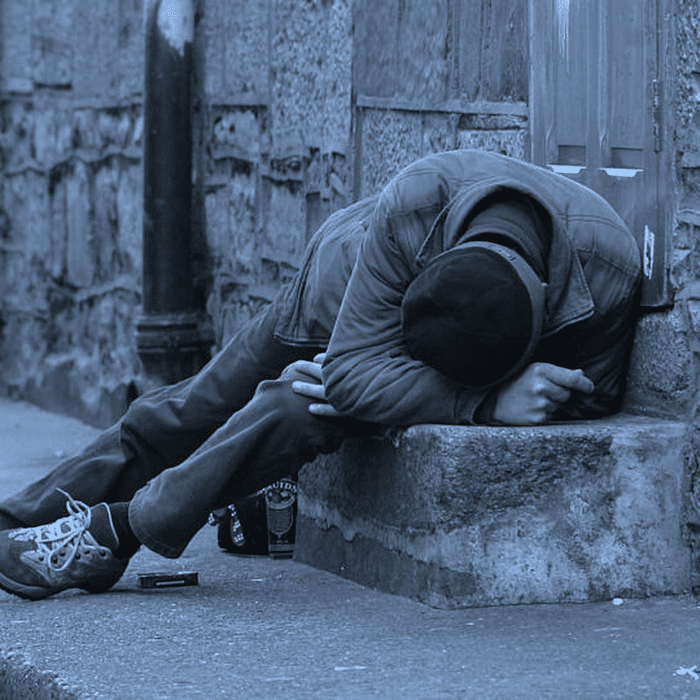
We make it very easy for people to slowly kill themselves on our streets while they in turn wreak havoc on our quality of life.
The arguments that emptied the asylums onto our streets are made in the Globe article. Why they are seen as humane is beyond me.
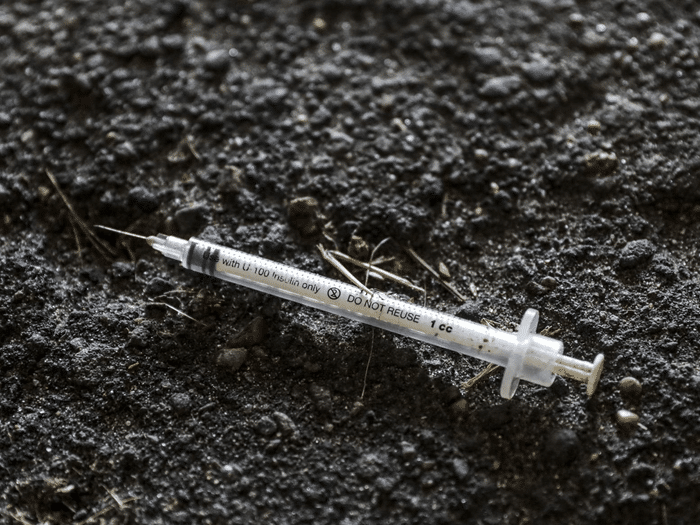
WARMINGTON: Used syringes in east-end Toronto park just waiting to jab somebody
Is the story that Toronto’s so-called safe injection of hard drugs policy means addicts leave behind used syringes in city parks or is it that no one from the city seems to come to take them away?
Seven years after the province of British Columbia declared the drug epidemic a public health emergency, and just one month after the decriminalization of all drugs, overdoses continue to skyrocket.
According to the Canadian Press, B.C. tragically set three new overdose records this March, just the second month after Prime Minister Justin Trudeau’s federal government allowed the province to decriminalize all drugs starting February 1, 2023, in an effort to combat the crisis.
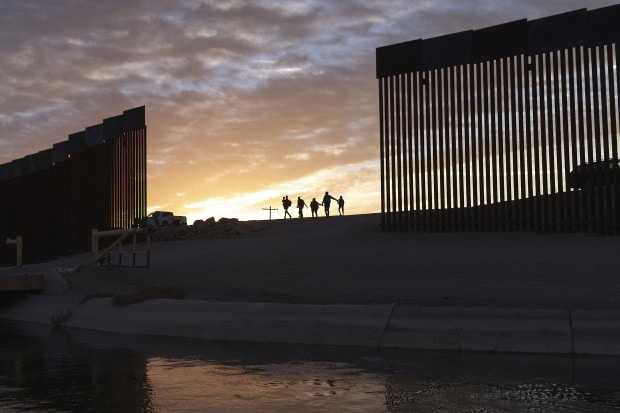
President Joe Biden has spent two-plus years in office ignoring the border and undermining proven efforts to stop the flow of drugs and illegal immigrants.
Today, I will hold a town hall in Salem, N.H. But I’ll start by discussing another town, just a few miles to the south. Lawrence, Mass., isn’t a place most people know. But for anyone in New England who has lost a loved one to fentanyl, there’s a good chance Lawrence played a painful role.
The border is a route in, shut it down and new ones will open. Unless you can stem demand nothing will work.
Toronto has updated its 14-month-old decriminalization request to the federal government, clarifying it wants a Health Canada exemption to cover young people as well as adults, and all drugs for personal use.
The city’s updated submission to its initial January 2022 request asks the federal agency to go further than the exemption it recently granted to British Columbia under the Controlled Drugs and Substances Act.
“Iwould love to see a world in which Boy Scouts make handing out naloxone as their Eagle Scout project,” said addiction scholar Stefan Kertesz in the Washington Post. Naloxone prevents opioid overdose deaths — which is a good thing.
But soon federal regulators are expected to approve the over-the-counter sale of a nasal spray of the drug — its brand name is Narcan — and I’m thinking that the so-called harm reduction movement is about to inflict a world of pain on damaged people and degraded cities.
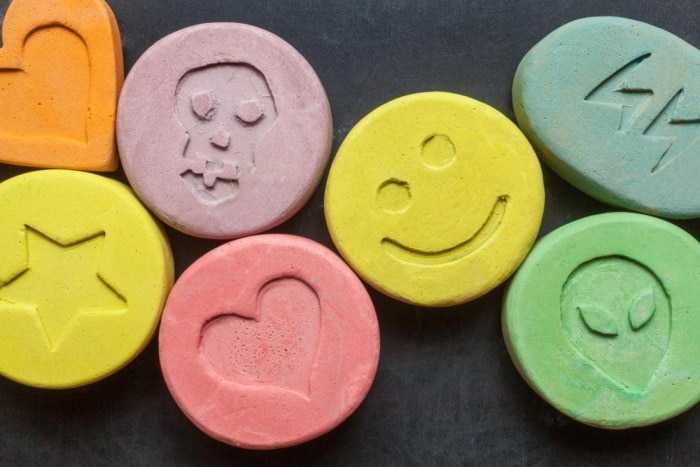
VANCOUVER — B.C. has decriminalized drug possession of 2.5 grams of cocaine, MDMA, meth and opioids, including heroin. Those in favour hail it as a victory against stigma, while opponents worry it will have unintended consequences. We will leave the public policy debate to others, but will ask another very pertinent question: what’s wrong with stigma?
Overdose deaths continue to rise in Vancouver, the epicenter of Canada’s addiction crisis, as barriers to drug use are demolished. After British Columbia’s decriminalization experiment came into effect, the province’s center-right Liberal Party pledged that, should they be elected, they will invest $1.5 billion into Portuguese-inspired rehabilitation-oriented treatment. This would be a significant improvement over British Columbia’s current farce. Earlier this week, the Canadian province of British Columbia decriminalized the possession of small amounts of hard drugs, such as cocaine, heroin, and fentanyl.
At about 6:30 p.m. one recent evening a man rushed through the door of Convenience Plus, a cluttered downtown corner store. “Have you got Narcan?” he asked. The cashier handed him a rectangular red-and-white kit. The man dashed out the door again.
Narcan is a brand name for naloxone, a drug that reverses overdoses by blocking the effects of opioid drugs on the brain. A squirt in the nostril from a plastic dispenser can bring victims back from the brink of death in minutes.
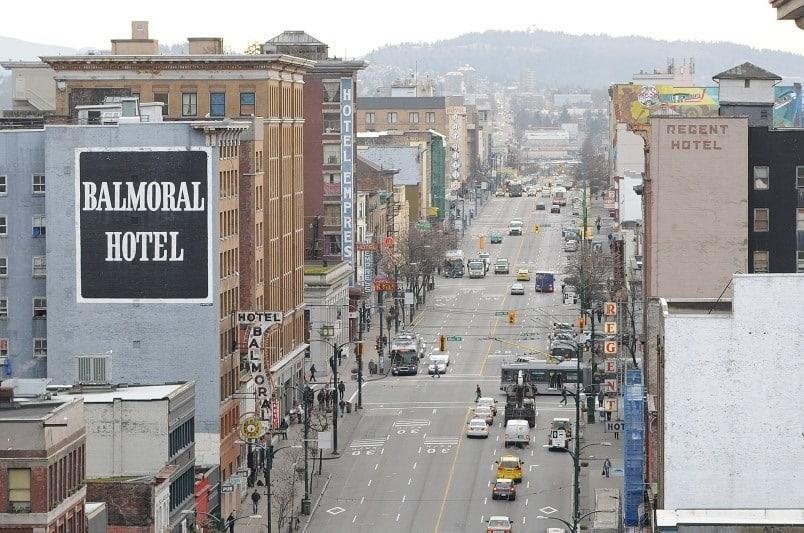
Long story, a friend, the front desk man at the Regent, and I went for beers at the Balmoral. We were mistaken for cops and the manager asked us to let him know if a raid was imminent.
East Hastings Street in Vancouver’s Downtown Eastside has long been the epicenter of Canada’s deadly opioid crisis. For years, lines of tents, discarded needles and open drug use have been common sights.
Residents of the neighbourhood have repeatedly called for a radical change to the government’s approach to illegal drugs, particularly since a recent spate of overdose deaths.
This week, they got their wish. An exemption came into effect on Wednesday, allowing any resident of the province of British Columbia to possess 2.5 grams of ecstasy, crack, cocaine or heroin – and even the powerful synthetic opioid fentanyl – without fear of criminal charge.
The Downtown Eastside is an open wound.
There is nothing positive to be said about it beyond having the good fortune to escape that little hell.
I recall walking along East Hastings early one Saturday morning.
From about a block away I kept my eye on the very pretty young aboriginal girl approaching me.
Pretty and pretty fucked up. Open sores, needle tracks ran up both her arms.
Europe has been warned that a flood of fentanyl, the synthetic opioid that has killed more than 100,000 people in the United States, is heading this way.
Belgium is on the front line of the new drugs war, as the main entry point for narcotics arriving from Latin America, and its customs chief says fentanyl is a bigger threat than heroin or cocaine.
A string of drug raids that seized small quantities of fentanyl in Europe over recent months has raised fears that the drug, 50 times more powerful than heroin, has arrived in Europe, as
Mexican cartels seek to build a new market on the Continent. The highly addictive opioid has ravaged the US, driving overdose deaths to 110,236 last year.
Last week, British Columbia became the first province in Canada and the second jurisdiction in North America to decriminalize the possession of small amounts of hard drugs for personal use. Those drugs include heroin, cocaine, methamphetamine, and even fentanyl, a synthetic opioid more than 50 times more powerful than heroin.
Inside the Canadian city where opioids, methamphetamine and cocaine have been decriminalised
As a bitter wind gusted down East Hastings Street, an addict wearing shorts despite the snow was selling his Liverpool FC shirt. “I’m sick, man, I need money,” he said, asking for C$20 (£12) as he eyed his next fix.
Not far away on Vancouver’s East Side yesterday, there was a free-for-all of drug use taking place — users huddled in small groups as they freely abused heroin, fentanyl, cocaine and methamphetamine. None of them, however, was breaking a single law.
Today, British Columbia introduced a measure that decriminalises possession of hard drugs in the Canadian province.