A War for Global Domination?

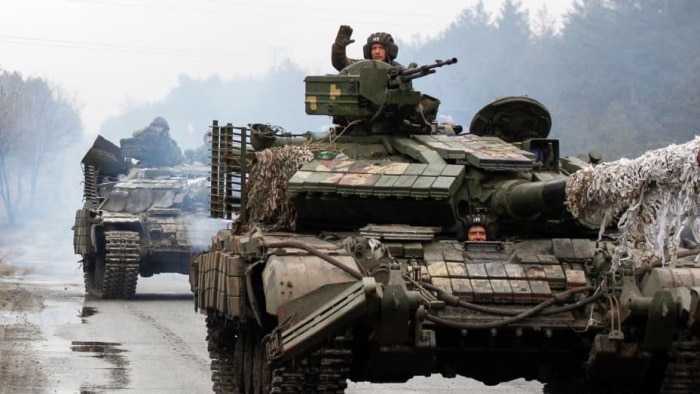
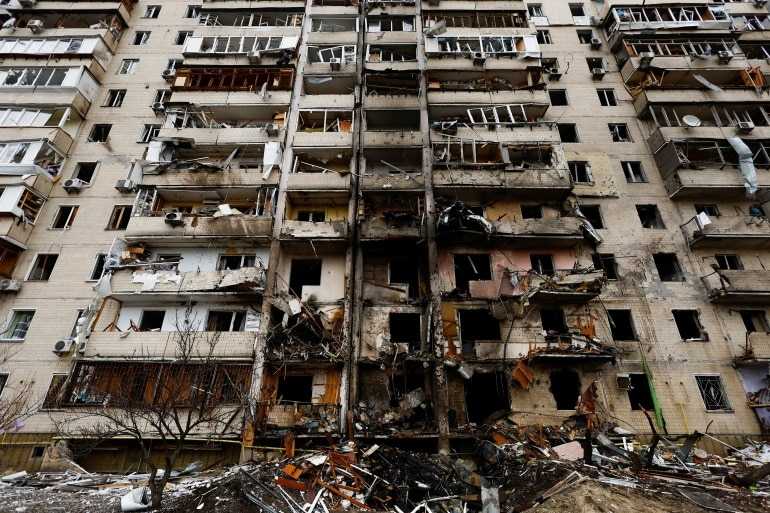
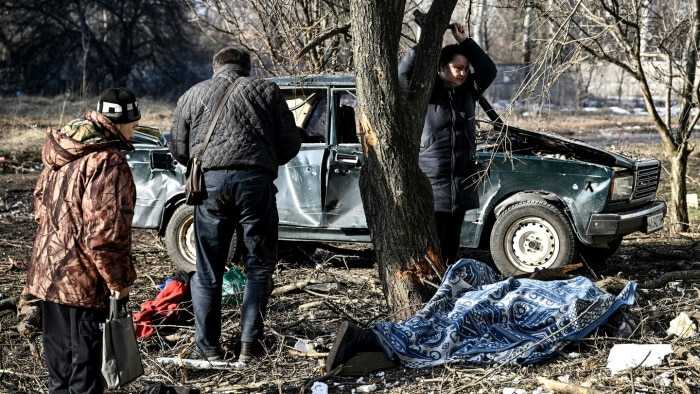
Just what is at stake in Ukraine?  Oh, maybe everything.  Besides the horrendous loss of life, the conscription of young Ukrainian boys to repel Russian soldiers’ advance, the streaming of hundreds of thousands of homeless refugees across Europe, and widespread property destruction, the war has become an immediate referendum on the West’s cherished “rules-based international order.”

Share

The Russian Elite Can’t Stand the Sanctions

The latest measures are far more effective than Western powers’ past efforts to target Russia’s elite.

The United States, United Kingdom, and European Union had barely announced sanctions on overseas Russian wealth when the oligarchs began to whine and protest. That meant the policy—enacted after Russia invaded Ukraine—was working as intended, to punish Russia’s elites for supporting President Vladimir Putin. By last weekend in Moscow, the Russian-state-television host Vladimir Solovyev raged on camera over what the sanctions would mean for him personally: loss of access to his two luxury homes in Lake Como, Italy, near the villa of George Clooney.

Share

How Biden Got Ukraine and Russia Wrong

The cries of disbelief from many in the Western foreign policy intelligentsia which met the Russian armored columns pouring into Ukraine were intense if unsurprising. While the latest act in the tragedy of great power politics is certainly devastating, the wailing and gnashing of teeth in Washington and the capitals of Europe would be comical if they were not so pathetic. Some lamented that history appeared to be returning after its hiatus, but in fact, it never left. Those who profess to analyze international affairs, and certainly those who lead nation-states, would do well to dwell in reality vice an aspirational world. Western leaders sleepwalked into this crisis. Their strategy was premised on flawed theoretical assumptions, and its failure carries important implications for U.S. policy going forward.

Share

Russia Supplied Planes to U.S. Enemies during the Cold War. We Should Not Forget

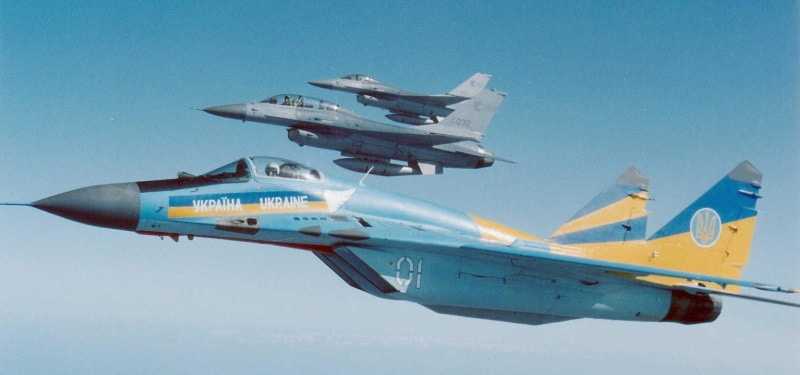
Ukrainian president Volodymyr Zelensky said last week that if NATO will not establish a no-fly zone over his country, then NATO should supply Ukraine with military aircraft to defend itself. He said in a news conference on Thursday, “If you don’t have the strength to provide a no-fly zone, then give me planes. Would that not be fair?”

Share

How Robots Will Transform the 2020s

The service bot will revolutionize warehouses, hospitals, farms, and maybe your home

There are now some 120,000 warehouses globally, and another 50,000 are likely to be added before 2025. Over the next few years, more robots will be deployed into these warehouses—the logistics market—than in all other application categories combined, including farming, medicine, and home use. Just as the 1960s saw the mechanization of industry, with an accompanying boom in productivity and prosperity, the 2020s will be the dawn of the robotification of services.

Share

Douglas Todd: Will Canada crack down on property-buying oligarchs and their dirty money?

Will Russia’s savage invasion of Ukraine finally jolt Canadian politicians into taking down the world’s oligarchs and kleptocrats?

The shocked West may be realizing one of the few ways to combat rogue countries like Russia is by slapping financial sanctions on the billionaires who profit from their intimate links to corrupt strongmen like Vladimir Putin.

Much of our political class aspires to Oligarchy.

Share

Poland is showing us what solidarity looks like

Poles are doing everything possible to help their Ukrainian neighbours.

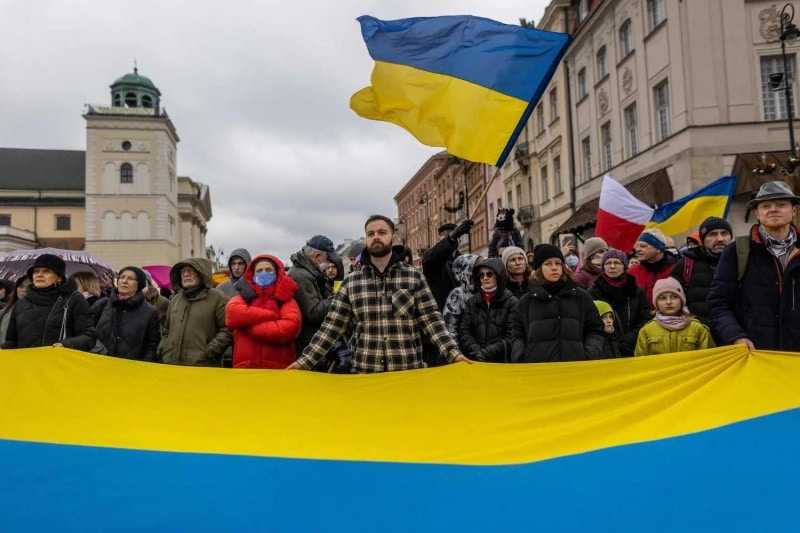
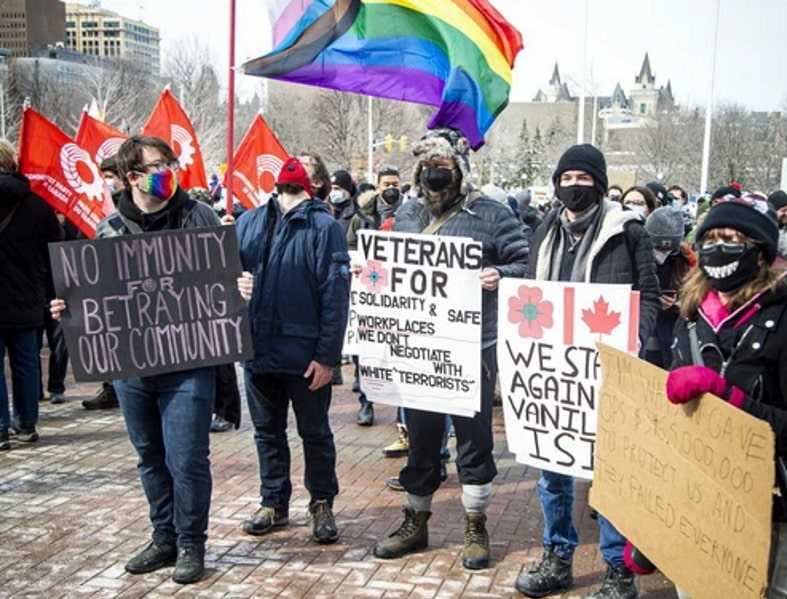
Solidarity is one of those words that no one seems to be able to define. Decades of vague posturing – disconnected from any real action – has hollowed out whatever meaning it once had. In today’s climate, solidarity seems to mean little more than a change of profile picture, sharing a graphic on social media, or adding pronouns to your email signature. But in Poland this past week, I have seen solidarity come alive.

There are, of course, symbols galore here in Warsaw. Ukrainian flags are everywhere – shops have blue and yellow displays, lapels bear two-colour pins, and every bus in Warsaw sports the wheat-and-sky mark of Ukrainian national identity.

Share

How Western elites exploit Ukraine

Reality is manipulated to strengthen their regime

The war in Ukraine poses a palpable threat to Western democracies, but this has little to do with Russia posing an inherent strategic threat to the United States or its European allies. No — more so than the Russian state, the threat to the West comes from within, a consequence of our congealing perceptions towards the conflict.

Bombs are not raining down on our cities; instead, what we are experiencing is the psychological weaponisation of war — and its exploitation as a tool of indoctrination and statecraft in the hands of the establishment.

Share

Ukraine has a ‘continuity of government’ plan if its Zelensky is assassinated, US Secretary of State Antony Blinken says

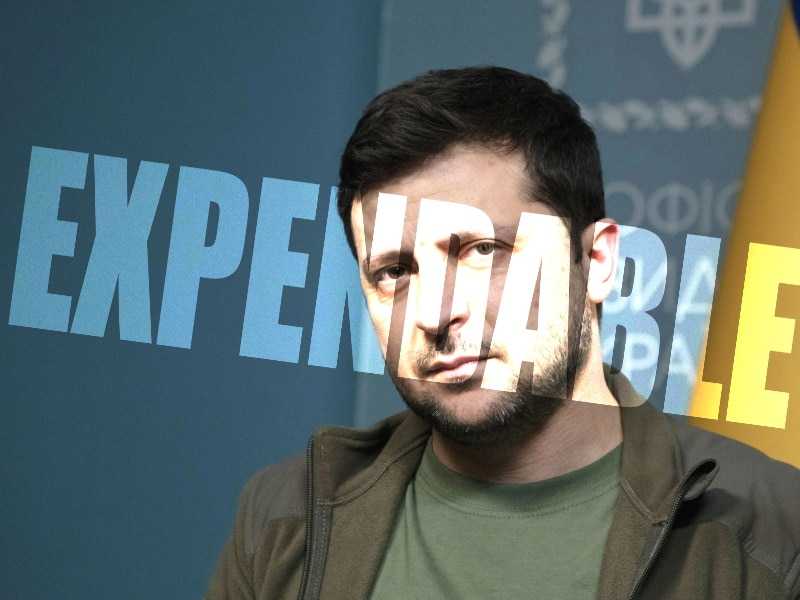
Ukraine’s government has a contingency plan in place if President Volodymyr Zelensky is killed during the Russian invasion, US Secretary of State Antony Blinken revealed on Sunday.

Zelensky survived three assassination attempts by Russian-backed groups just this week, the Times reported on Friday.

During an interview with CBS News’ Face the Nation on Sunday, Blinken was asked if Russian leader Vladimir Putin would face ‘consequences’ for Zelensky’s murder.


U.S., Brit special forces training for high-risk Zelenskyy rescue: Report

Commandos from Britain’s famed SAS and U.S. special forces are undergoing intense training for a potential high-risk rescue of Ukrainian President Volodymyr Zelenskyy, according to published reports.

Share

‘Gypsy’ replaced by ‘spongy’ in name for invasive moth

Gypsy Queen is Happy

An invasive moth species is getting a new name after the old one was dropped for containing what some consider a racial slur .

The insect formerly known as the “gypsy moth” will now go by the common name “spongy moth,” the Entomological Society of America announced Wednesday. It is the first name change, along with the retirement of the name “gypsy ant,” that the organization governing the study of insects in the United States has implemented as part of its Better Common Names Project.

Share

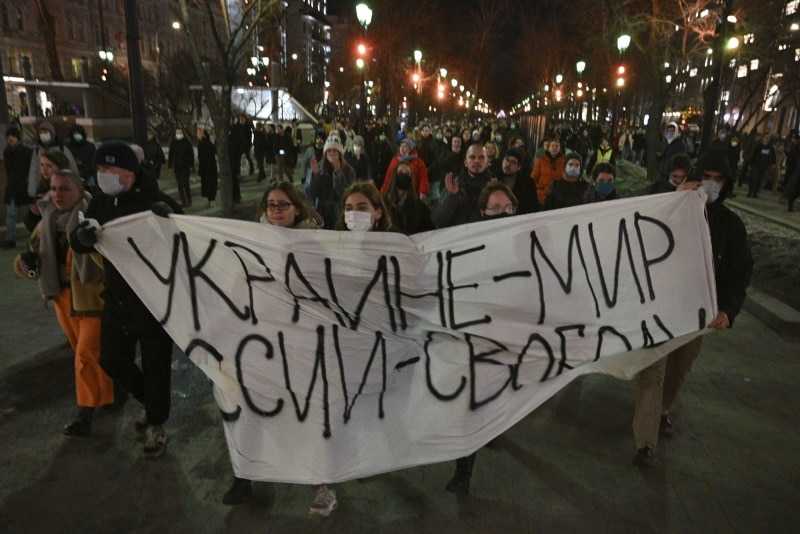
Protests across Russia see thousands detained

Nearly 4,000 people have been detained at anti-war protests across Russia on Sunday, rights groups and Russian authorities say.

Some 1,700 people were detained in Moscow alone, the RIA news agency reported, citing the interior ministry.

The OVD-Info rights group says detentions took place in 53 cities.

Although protests have become increasingly restricted in recent years, numerous rallies have taken place across Russia since the invasion.

Share

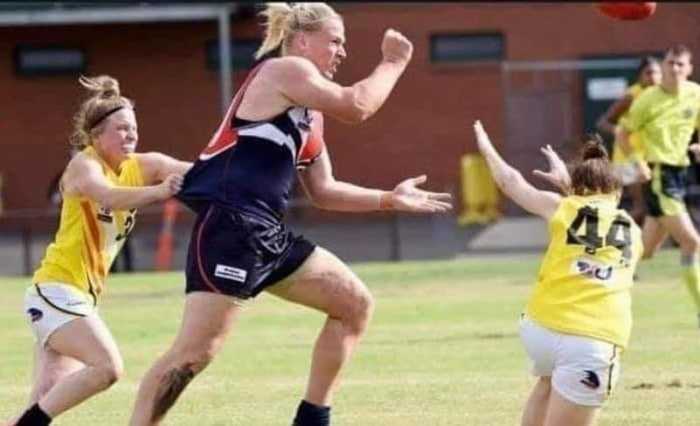
Iowa Bans Boys From Pretending to Be Girls to Compete in Girls’ Sports

In less enlightened ages than our own, this sort of thing was taken for granted: boys should compete in boys’ sporting events and girls in those set aside for girls. No one thought about boys playing girls’ sports at all, because no boy would have even wanted to do so, but everyone knew that a boy of only average ability would dominate girls’ sports, because of natural physical differences. All this has not exactly been forgotten nowadays; even worse, it has been denounced as “transphobic bigotry.” Everyone today is smarter and wiser than our forbears. We know girls are boys and boys are girls, and boys pretending to be girls and setting women’s sporting records are to be celebrated. Except, that is, in Iowa.

Share

What an investigation into war crimes could mean for Russian aggression in Ukraine

The International Criminal Court (ICC) will investigate possible war crimes in Ukraine, but experts say it’s unclear whether the move could sway Russian President Vladimir Putin to de-escalate his government’s invasion of the country.

“Maybe, and maybe not, but I don’t think people should expect that,” said Mark Kersten, a senior researcher at the Munk School of Global Affairs and Public Policy at the University of Toronto and an expert on international criminal law.

“I don’t think anyone should rightly ever expect that just because there’s an intervention by the International Criminal Court that that will solve the war, that that will lead to peace.”

Share