Michael Higgins: Teacher fired for speaking truth on Kamloops fake graves gets day in court

Michael Higgins: Teacher fired for speaking truth on Kamloops fake graves gets day in court

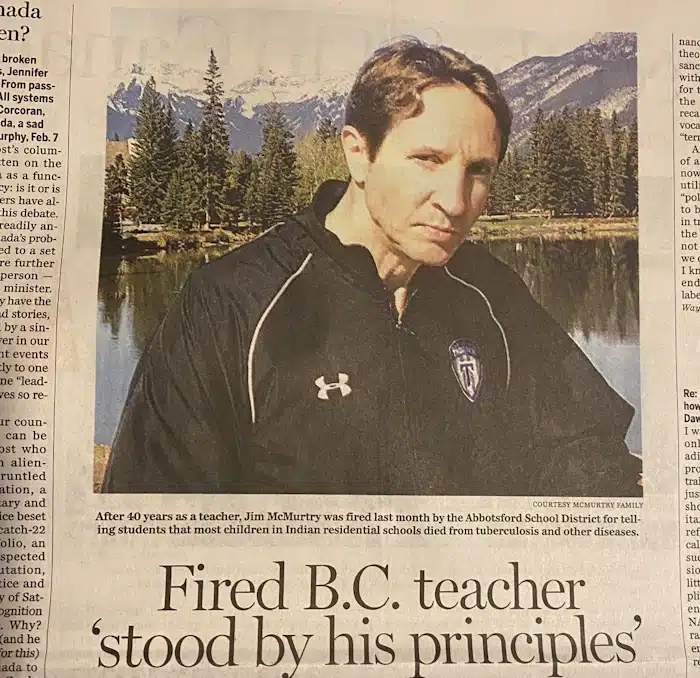
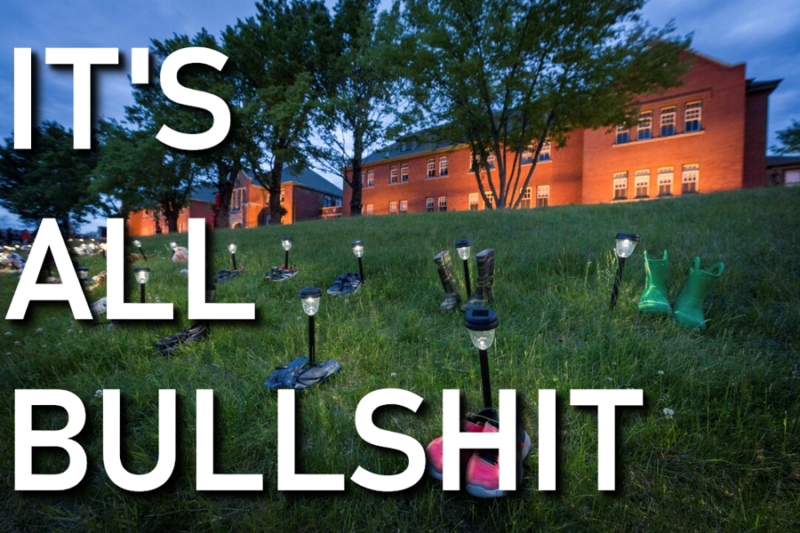
For refusing to jump on the Kamloops “mass graves” narrative bandwagon, high school teacher Jim McMurtry was sacked by educational authorities, abandoned by his union and refused a hearing before a labour relations board.

Now, five years after first being walked out of a classroom as Indian residential school hysteria swept Canada, McMurtry is heading to B.C. Supreme Court in a case that he hopes will expose the truth about Kamloops.

Share

RUBENSTEIN: No progress on the ‘215 unmarked graves’ — Kamloops Indian Band owes Canadians answers

RUBENSTEIN: No progress on the ‘215 unmarked graves’ — Kamloops Indian Band owes Canadians answers

According to Blacklock’s Reporter, Canada’s premier investigator of federal government machinations, the Department of Crown-Indigenous Relations waived a requirement that the Kamloops Indian Band account for the spending of a $12.1 million grant for the “exhumation of remains” at its former Indian Residential School, according to records disclosed on July 23.

In particular, the Band made no attempt to exhume even a single grave despite this generous funding.

Share

Jamie Sarkonak: Why the B.C. Law Society walked back claims of buried children

Jamie Sarkonak: Why the B.C. Law Society walked back claims of buried children

In 2024, a mandatory course for B.C. lawyers referred to the “discovery of an unmarked burial site containing the bodies of 215 children on the former Kamloops Indian Residential School grounds” which “(confirmed) what survivors have been saying all along.” When one lawyer proposed a correction, as no graves were ever found, the B.C. Law Society publicly disparaged him. He sued for defamation — but now, the trial has been called off.

Share

CROSSON: Making residential school ‘denialism’ a crime would criminalize historical debate

CROSSON: Making residential school ‘denialism’ a crime would criminalize historical debate

Survivor accounts of residential schools vary — sometimes from the very same person. Nunavut Senator Nancy Karetak-Lindell told Nunatsiaq News in 2001 that her time at Akaitcho Hall was “a home-away-from-home” and that “it’s not like what you’re hearing about all the residential school issues today.” In the same piece, she said, “At Akaitcho, we were in a structured environment compared to where we came from. That taught us perseverance and how to discipline ourselves.” “It taught us a lot about doing things in life that we didn’t always want to do, but those things had to be done … We had to learn how to live with people from different cultures who spoke different languages and came from different parts of the NWT,” she continued, adding that those friendships helped her political career.

Share

Michael Higgins: It’s not reconciliation when law societies exaggerate anomalies as ‘graves’

Michael Higgins: It’s not reconciliation when law societies exaggerate anomalies as ‘graves’

Making criminals out of people who merely ask questions about the residential school system is not the path to reconciliation, says B.C. lawyer Jim Heller.

Goodwill and open dialogue are needed far more than trying to imprison people under a “denialism” law, according to Heller, whose defamation suit against his own law society over potential graves at the former Kamloops Indian Residential School was recently settled.

Share

Tk’emlúps te Secwépemc chief says probe into fake graves continues with no end to gravy train in sight

Tk’emlúps te Secwépemc chief says probe into fake graves continues with no end to gravy train in sight

Five years after Tk’emlúps te Secwépemc sent shockwaves around the world by announcing the First Nation found more than 200 possible unmarked graves at the site of the former Kamloops Indian Residential School, the chief says the community doesn’t yet know if or when it will proceed with excavation.

Kúkpi7 (Chief) Rosanne Casimir told CBC News the nation is still in an engagement phase with dozens of communities that sent children to the institution when it was in operation from 1890 to 1978 to try to get consensus on the path forward.

“For us, it is about truth and reconciliation and being able to work with all the different communities, our neighbouring nations, our consultants and our families,” Casimir said.

Share

Michael Higgins: There’s no justice in jailing people for residential school ‘denialism’

Michael Higgins: There’s no justice in jailing people for residential school ‘denialism’

Five years after the Kamloops “graves” controversy first erupted, and with zero bodies discovered, First Nations chiefs are pushing hard to make residential school denialism an imprisonable offence.

But Canadians should not have to face up to two years in jail for denying what the chiefs describe as their “truth.” Are we only to speak about the horrors of residential schools, or will survivors with “warm memories” face prison?

Share

Assembly of First Nations wants calling out fake graves bullshit criminalized to protect the grift

Assembly of First Nations wants calling out fake graves bullshit criminalized to protect the grift

The Assembly of First Nations (AFN) has passed an emergency resolution that calls on Canada to criminalize residential school denialism.

The advocacy organization, which represents chiefs countrywide, is holding its annual general assembly in Ottawa this week. The resolution was passed on Tuesday.

First Nations chiefs spoke about the importance of the resolution at a news conference Wednesday.

Share

McCRAE: Globe and Mail admits its Kamloops ‘mass grave’ failure — now other mainstream media must follow

McCRAE: Globe and Mail admits its Kamloops ‘mass grave’ failure — now other mainstream media must follow

In its May 30 mea culpa, the Globe and Mail’s editorial board came clean and confessed that the newspaper’s reporting of the May 27, 2021, Kamloops graves “discovery” announcement was journalism at its worst.

The newspaper — finally, after five years — admitted it did no homework, asked no questions, and acted merely as a stenographer for the Kamloops Indian band, which, on that “day that lives in infamy,” announced it had discovered the bodies of 215 indigenous children indecently interred in the apple orchard near the former Kamloops Indian Residential School.

Share

Five Years After Claims of ‘Genocide’ at Residential Schools, Still No Bodies Found

Five Years After Claims of ‘Genocide’ at Residential Schools, Still No Bodies Found

On May 27, 2021, the Tk’emlups te Secwepemc First Nation announced the supposed discovery of hundreds of unmarked graves at a Native American residential school in Kamloops, British Columbia. Specifically, Chief Rosanne Casimir claimed the discovery of the “remains of 215 children.”

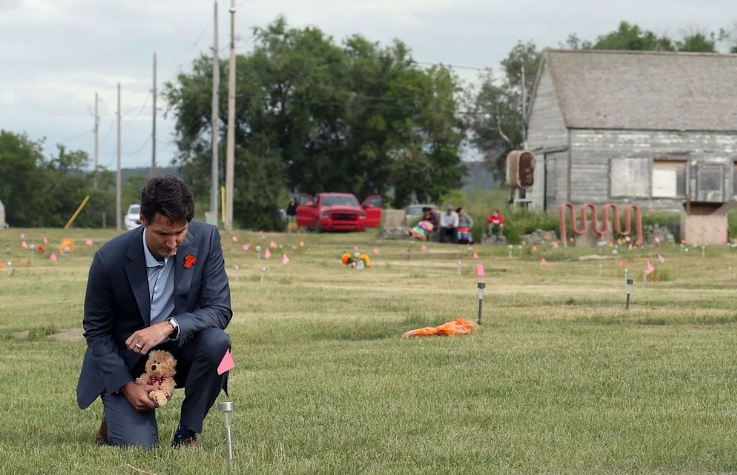
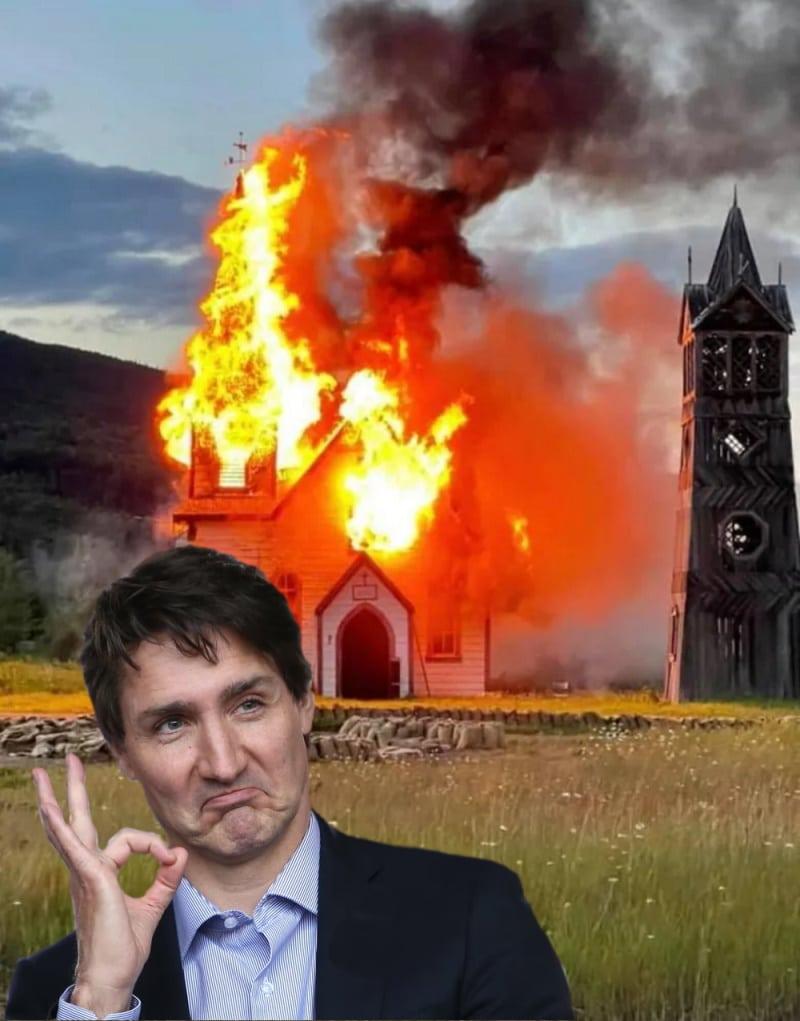
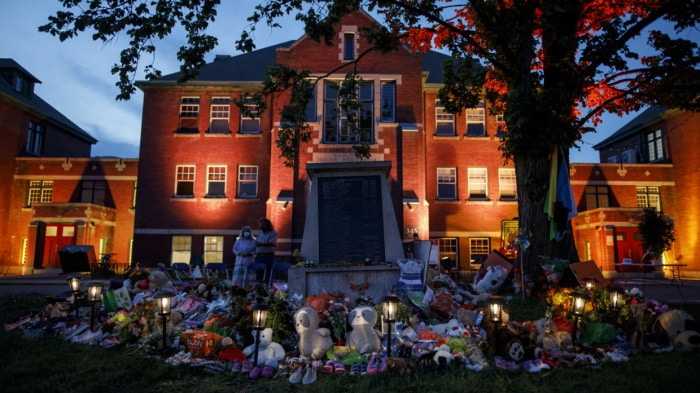
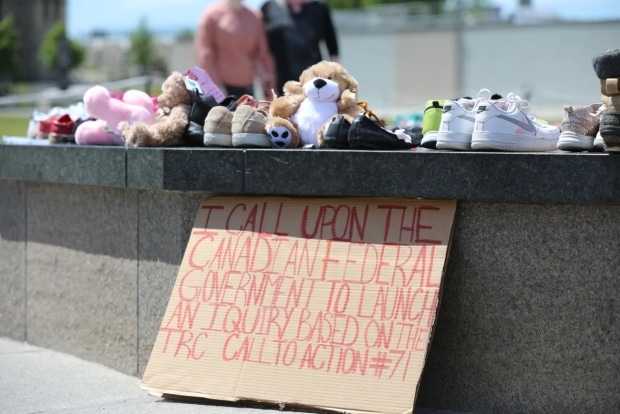
Canada convulsed in horror. Flags were lowered to half-mast for five months straight. One First Nation group after another came forward claiming they had discovered hundreds more unmarked graves. At one site in Saskatchewan where it was claimed 751 children had been found buried, then-Prime Minister Justin Trudeau placed a teddy bear in memorial of the children. The government threw $320 million into a “Residential Schools Missing Children Community Support Fund.”


Canada’s residential school hoax is making us world famous.

Share

The Canada ‘genocide’ is a tale for the 2020s

The Canada ‘genocide’ is a tale for the 2020s

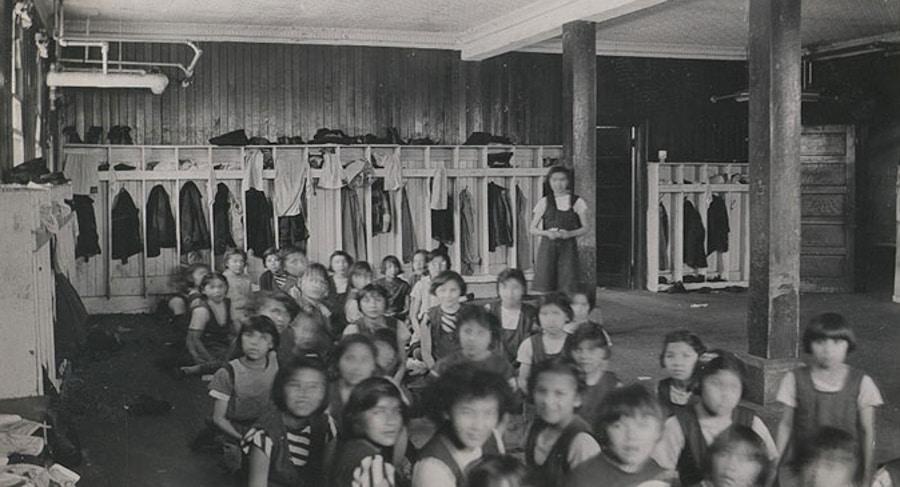
Exactly five years ago last weekend, the man now known as Mr Katy Perry — but then known as the Canadian prime minister, Justin Trudeau — ordered that the flags be lowered to half-mast on all Canadian federal buildings. This was out of respect for the indigenous children who had died in the country’s residential schools that were government-funded and run by Christian churches from the 19th century to the late 20th century. Thousands of unmarked graves for those children had just been discovered, it was reported, forcing the country into, to use the lingo of the time, a racial reckoning. Horrifying claims emerged: that priests had beheaded children; that nuns had forced children to bury babies; that during a 1964 visit to Kamloops Residential School, Queen Elizabeth and Prince Philip had invited children on a picnic who were never seen again.

Share

Michael Higgins: Archeologist’s ‘critical theory’ PhD thesis explains everything about Kamloops ‘graves’

Michael Higgins: Archeologist’s ‘critical theory’ PhD thesis explains everything about Kamloops ‘graves’

Five years of national angst and anger over the “discovery” of “graves” at the former Kamloops Indian Residential School was driven by an archeological report by a self-proclaimed activist archeologist and critical theory advocate Sarah Beaulieu. Her PhD thesis, completed in 2019, glorified her social warrior/critical theory credentials.

In her thesis, Archaeology of Internment at the Morrissey WWI Camp, insight into Beaulieu’s philosophy is revealed in chapter two under the headings “Critical Theory” and “Applications of Critical Theory within Modern Conflict Archaeology.”

Share

Globe digs itself even deeper with mea culpa about Kamloops coverage

Globe digs itself even deeper with mea culpa about Kamloops coverage

On May 30, the Globe and Mail editorial board issued a mea culpa, titled “There is no reconciliation without truth,” attesting to the newspaper’s failure to meet professional standards on an important national story. Ironically, for a piece centred on journalistic shortcomings, this defensive editorial not only itself contains significant journalistic shortcomings, but fails to deliver the only conclusion that merits genuine approval.

Share

Canada Needs A Real Reckoning For The ‘Mass Graves’ Hoax

Canada Needs A Real Reckoning For The ‘Mass Graves’ Hoax

Five years ago, a moral panic gripped Canada over a story that was obviously fake but that so perfectly confirmed the biases of anti-Catholic liberals, no one in the media or the political establishment bothered to check its veracity.

This of course was the hoax about the purported discovery of “mass graves” of indigenous children at what was once a government boarding school run by the Catholic Church. In late May 2021, the Tk’emlúps te Secwépemc First Nation claimed that ground-penetrating radar had revealed hundreds of graves near the site of a former school in Kamloops, British Columbia. Tribal leaders cited the radar survey as proof that scores of indigenous Canadian children had been buried in unmarked mass graves at the school.

Share

A Mass-Graves Myth Is Media Malpractice

A Mass-Graves Myth Is Media Malpractice

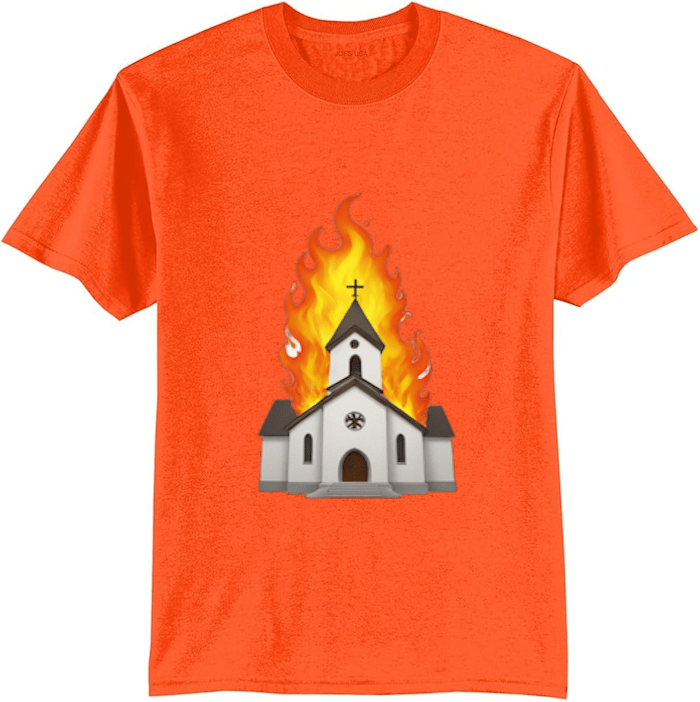
A hoax costs taxpayers hundreds of millions of dollars and appears to incite arson attacks against dozens of churches.

No, this isn’t the latest headline out of Minnesota — look a little further north.

In 2021, at a time when media throughout the Western world were still in a state of agitation after the killing of George Floyd, Canadian outlets picked up a story too sensational not to be true …

Share