The Poisoned Chalice of Reconciliation

The Poisoned Chalice of Reconciliation

To begin with, I want to thank Real Story subscribers for their patience. As I mentioned on Victoria Day, my absence from the National Post and from this newsletter over the past while was due to the work required in putting together a 3,000-word assessment of the damage done by the mass psychosis that afflicted this country on the last weekend in May, 2021.

It’s out now. Some of it may come as a bit of a shock, although perhaps not to paying Real Story subscribers who read this newsletter’s contents beyond the occasional paywalls.

Share

There is no reconciliation without truth

There is no reconciliation without truth

Two things can be true, at the same time. Five years after the startling announcement that there were hundreds of possible unmarked graves near a residential school in Kamloops, B.C., there has been no public confirmation of the discovery of any human remains. That is reality, one reality.

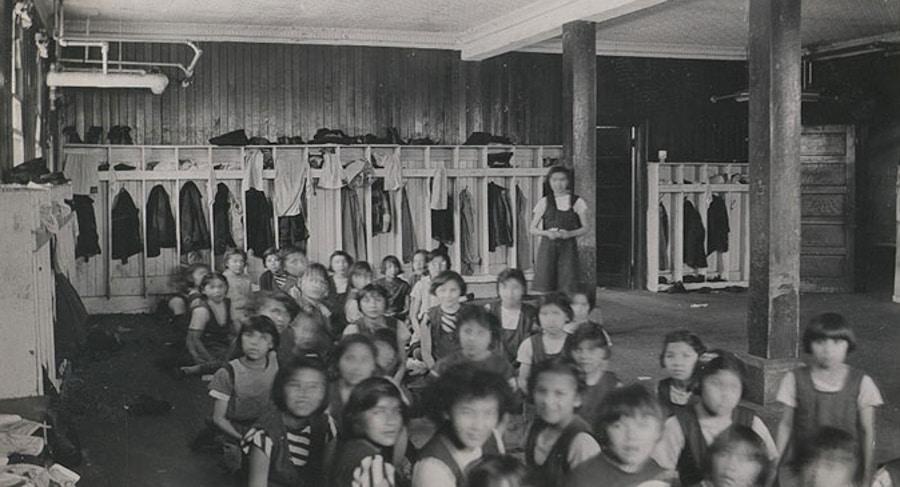
Another is this: 3,200 Indigenous children, at least, died at residential schools, according to the 2015 report of the Truth and Reconciliation Commission. Residential school students died at a rate far higher than children in the rest of Canada – a negligence so deep-rooted that it came “within unpleasant nearness” of manslaughter, according to a government official in the early 1900s.


Canada’s newspaper of record says Oops.

Share

Searches for fake graves face funding barriers, witnesses tell international tribunal

Searches for fake graves face funding barriers, witnesses tell international tribunal

In the past five years, the Survivors’ Secretariat in Six Nations has acquired over 36,000 records related to children who attended the Mohawk Institute Residential School, according to secretariat lead Laura Arndt.

The Survivors’ Secretariat, a non-profit survivor-led organization, has been investigating the Mohawk Institute in Brantford, Ont., Canada’s longest-running residential school, since 2021.

Arndt said despite accessing thousands of records through archives using access to information requests, privacy law restricts them from sharing those with families of survivors or lost children.

Share

Terry Newman: Five years after Kamloops, the church burnings haven’t stopped

Terry Newman: Five years after Kamloops, the church burnings haven’t stopped

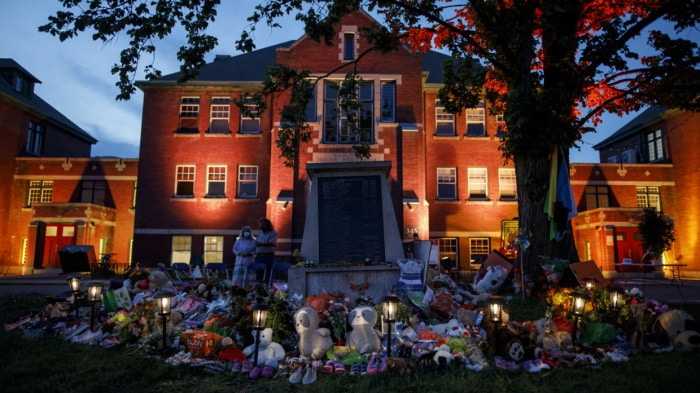
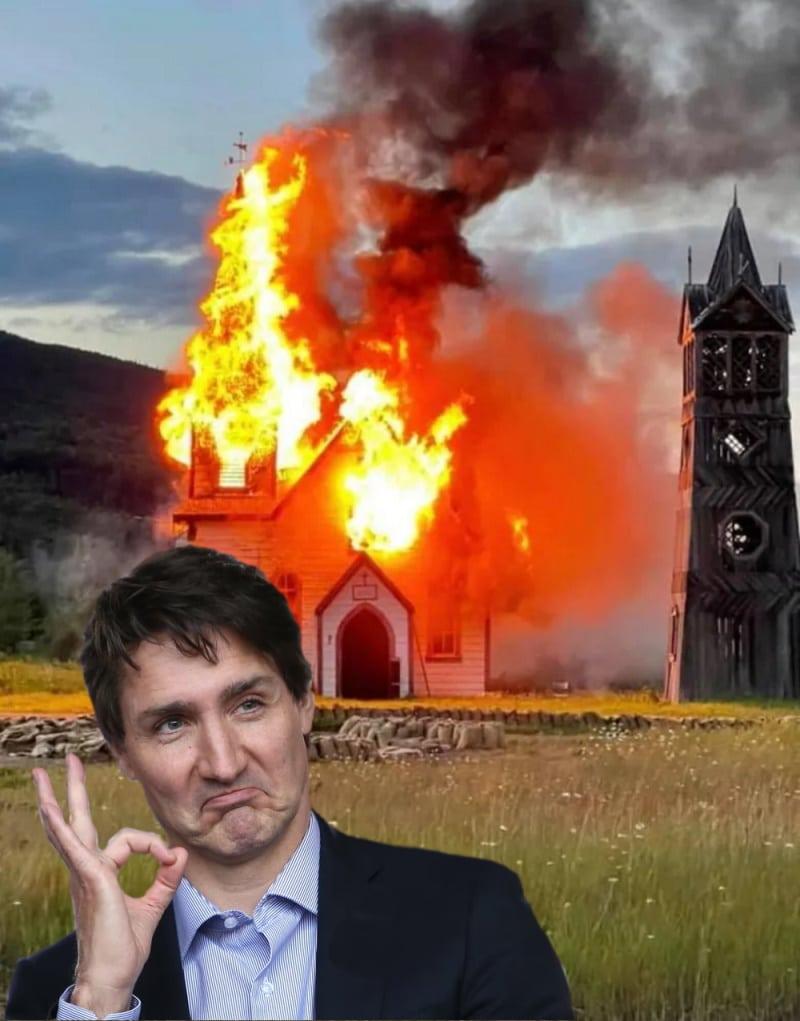
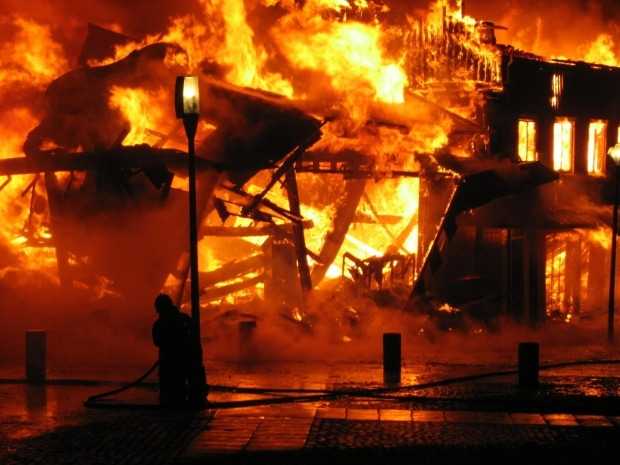
It’s been exactly five years since the shocking accusation that the remains of 215 students had been discovered on the site of the Kamloops Indian Residential School, which triggered a wave of church arsons, starting in British Columbia and spreading like wildfire across the country. While the spike has abated, churches are still burning, and almost nothing has changed. Worse, it’s not even clear that the hate directed towards churches is fuelled only by the Kamloops announcement.

Share

Canada’s Newspaper of Record Asks: ‘What If They Ultimately Find Nothing?’

Canada’s Newspaper of Record Asks: ‘What If They Ultimately Find Nothing?’

A month ago, I offered some predictions about how Canadian journalists would cover the five-year anniversary of the country’s infamous “unmarked graves” social panic, which began on May 27, 2021. On one hand, this kind of important landmark would be difficult for news outlets to ignore. (After all, this was considered the Canadian “Story of the Year” at the time.) On the other hand, any intellectually honest retrospective that these outlets produced would require at least some passing explanation as to why the entire Canadian media establishment had fallen hook, line, and sinker for a story that turned out to be fake—something that most journalists have so far proven unwilling to do.


This is the Globe pieceWhere the truth is buried in Tk’emlúps

Share

Five years after Kamloops graves announcement, not a single confirmed burial site has been found. Here’s what we know

Five years after Kamloops graves announcement, not a single confirmed burial site has been found. Here’s what we know

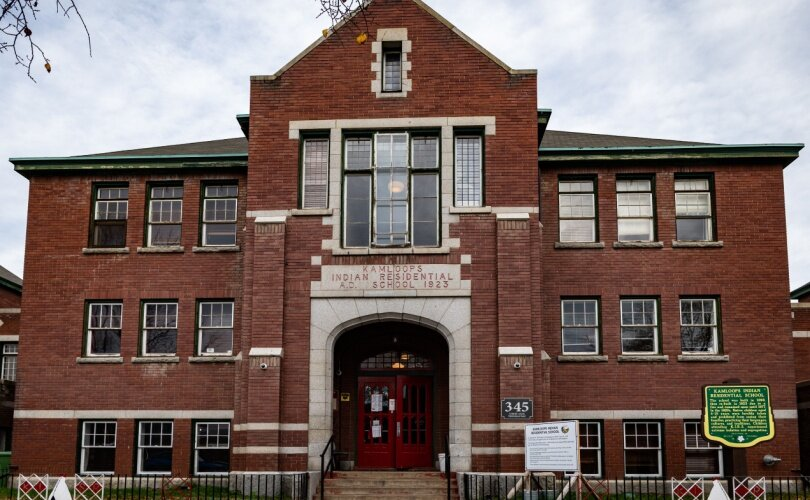
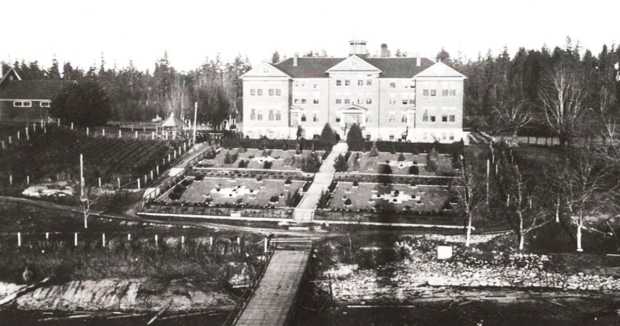
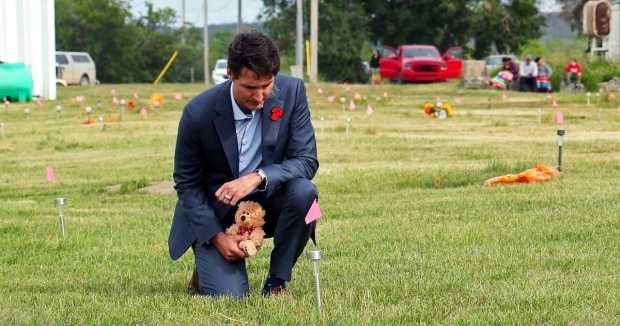
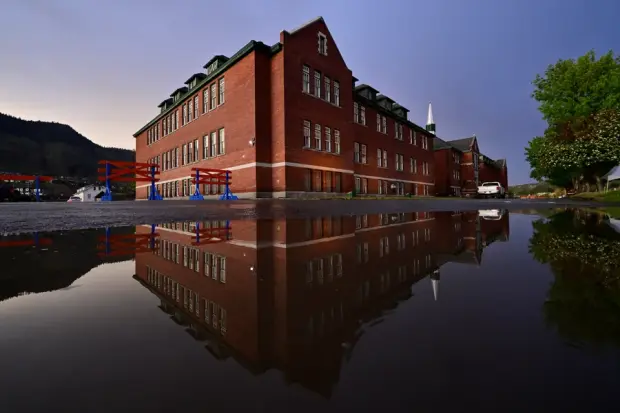
It’s been five years since the Tk’emlups te Secwepemc First Nation announced that it had discovered hundreds of unmarked graves in Kamloops, B.C., using ground-penetrating radar (GPR). The announcement sent shockwaves throughout Canada and brought the residential school controversy to global attention. Then prime minister Justin Trudeau ordered flags flown at half-mast at all federal buildings and they remained lowered for more than five months, the longest period in Canadian history. But in the years since the announcement, the Tk’emlups te Secwepemc has walked back its initial claims about graves at a former Kamloops residential school. Here’s what we know about Canada’s graves controversy.

Share

FLANAGAN: The residential schools ‘graves’ narrative lives on — despite zero verified finds

FLANAGAN: The residential schools ‘graves’ narrative lives on — despite zero verified finds

May 27 of this year will be the fifth anniversary of the shocking announcement that the unmarked graves of 215 missing children had been found on the grounds of the former Kamloops Indian Residential School. But the announcement turned out to be a nothing-burger. On the third anniversary, the band’s leadership admitted that ground penetrating radar (GPR) had found only “soil anomalies” that were “potential” graves.

Share

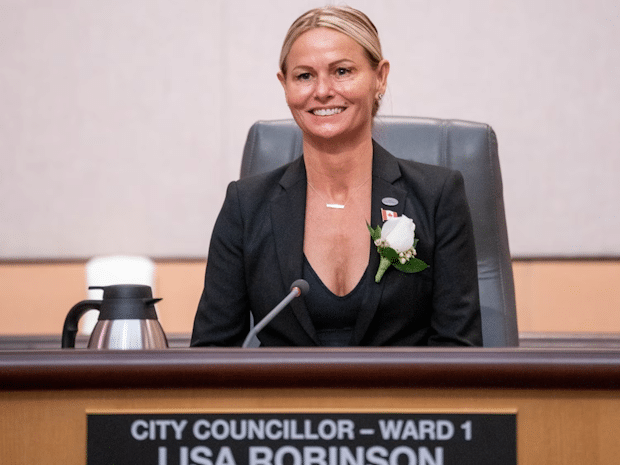
Pickering councillor Lisa Robinson fires back at mayor over Kamloops residential school remarks

Pickering councillor Lisa Robinson fires back at mayor over Kamloops residential school remarks

The feud between Pickering Mayor Kevin Ashe and City Councillor Lisa Robinson isn’t ending anytime soon.

Ashe filed a formal complaint with the city’s integrity commissioner after the controversial councillor posted a video on her YouTube page in which she questioned the findings related to the former Kamloops Residential School.

Share

Indigenous elder tells UBC event she wishes to see academic Frances Widdowson raped

Indigenous elder tells UBC event she wishes to see academic Frances Widdowson raped

The University of British Columbia said it “does not condone” recent comments by a First Nations leader but did not indicate if it would take any action after the guest speaker at one of its events expressed her desire to see her political opponent get beaten and raped.

UBC’s response comes after Charlene Belleau, an elder in the Esk’etemc First Nation in B.C., appeared at a virtual event earlier this week hosted by Derek Thompson, the university’s Indigenous initiatives advisor. During the virtual talk, Belleau recalled comments she made toward Frances Widdowson, an academic focused on economics and Indigenous policy, when she had approached Widdowson in person at a campus event in late 2025.

Share

Fake Graves Nonsense Spewing Ex BC chief says she ‘wishes’ Widdowson was ‘raped’ to ‘understand’ residential school violence

Fake Graves Nonsense Spewing Ex BC chief says she ‘wishes’ Widdowson was ‘raped’ to ‘understand’ residential school violence

CALGARY — A former BC indigenous chief has said that she “wishes” Dr. Frances Widdowson would be beaten and raped so she would understand “what our people went through” with regards to the legacy of indigenous residential schools.

During a Tuesday livestream hosted by the University of British Columbia’s (UBC) Faculty of Medicine, Charlene Belleau of the Esk’etemc First Nation in BC recounted a heated confrontation she had with Widdowson at Thompson Rivers University in November 2025.

Share

Grassy Narrows First Nation denied federal funding for search at former residential school

Grassy Narrows First Nation denied federal funding for search at former residential school

A group that’s been searching for missing children and unmarked graves at the former McIntosh Indian Residential School in northwestern Ontario says it’s been denied federal funding to continue its work.

The search is being led by the Wiikwogaming Tiinahtiisiiwin project team, an initiative started by members of Grassy Narrows First Nation. The Ojibwe community is also known as Asubpeeschoseewagong Netum Anishinabek.


In case you develop dizziness, nausea, tics and or hives at this ongoing fake graves scam the CBC has made help available…

WARNING: This story contains references to the Indian residential school system. Resources can be found at the bottom of this story.

Share

Federal government pulls funding for Grassy Narrows fake grave search

Unless something changes, the former McIntosh Indian Residential School (IRS) will not be searched any further for unmarked graves.

Representatives from Grassy Narrows First Nation say they have been informed by federal officials that funding for searching for graves at the area IRS has not been approved ahead of the end of the current fiscal year, leaving those who were hopeful for the search with little to no recourse.

“This decision places at risk work that has already revealed more than a hundred unmarked burials at the site, with more graves expected to be found, and work that has provided former students, survivors, and families with critical information about children who never returned home,” the Wiikwogaming Tiinahtiisiiwin Project said via media release following the decision.

Share

Chief tells senators Kamloops residential school ‘graves’ scam search could take decades

Sacred fake graves money dance

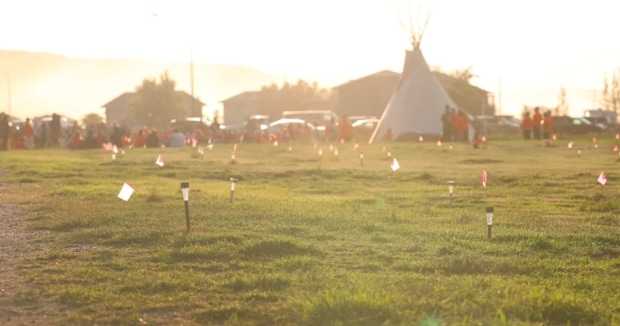
A search for alleged unmarked graves at the former Kamloops Indian Residential School site could take decades before yielding answers, the chief of the Tk’emlúps te Secwépemc First Nation told a Senate committee, while acknowledging no remains have yet been recovered nearly five years after the initial claim.

I am sick of these scammers.

Share

Memorial at Fort Calgary site may unintentionally honour killer of settlers and priests

Calgarians brought 215 pairs of children’s shoes to the steps of Calgary’s municipal building after First Nation Tk̓emlúps te Secwépemc announced, in May 2021, ground-penetrating radar had detected 215 graves on the grounds of the former Kamloops Indian Residential School in Kamloops, BC.

The radar survey was conducted by anthropologist Sarah Beaulieu, who said at the time ground penetrating radar detects soil disturbances, not bodies.

Share