As horrific details of the Iranian government’s suppression of protesters emerge — with internal estimates counting more than 10,000 among the dead — the country’s young, wealthy elite are inciting further rage by continuing to flaunt their lavish lives online as they have for years, as if the nation weren’t on the brink of collapse outside of their privileged bubble.
US President Donald J. Trump’s plan for ending the Israel-Hamas war should have included a provision to stipulate the need for a different regime in Iran. That is the fastest, best and, unfortunately, the only way to eradicate Hamas and destroy “all military, terror, and offensive infrastructure, including tunnels and weapon production facilities” not only in the Gaza Strip, as stated in Trump’s 20-point plan, but also the Middle East.
But … Rapid escalation, caught off guard: Part of why Netanyahu asked Trump to slow down on Iran
Mohsen Sazegara misses the scent of jasmine, the mountains and valleys of home. He fled Iran for America two decades ago and has never stopped wanting to return. Whether he ever will depends largely on the organisation he played a part in creating: the Islamic Revolutionary Guard Corps.
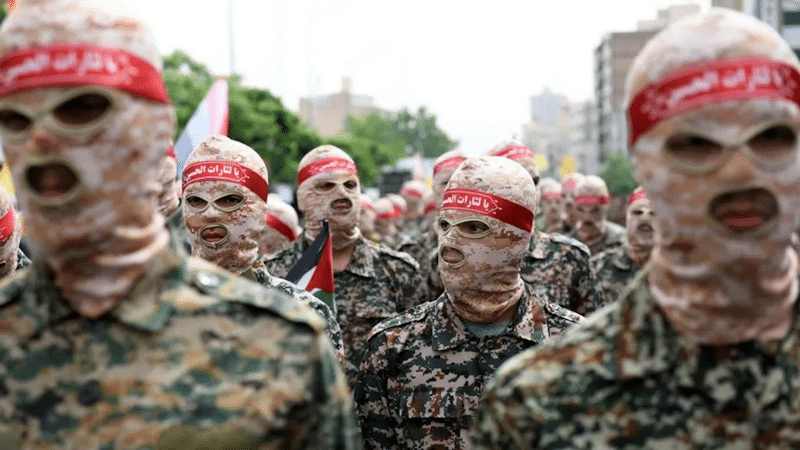
In the first days after the 1979 revolution that overthrew the Shah, Sazegara helped to draft the original charter of a new force, known as the IRGC. Exiled in 2005 after breaking with the clerical establishment, he has watched from afar as the force he once imagined as a safeguard of the revolution has become its ruthless enforcer.
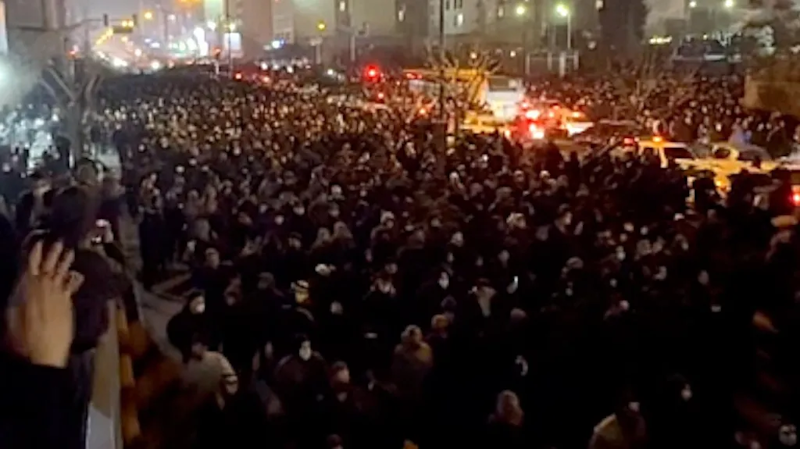
After the blackout, the body bags. With the internet shut off in Iran, videos on our social-media feeds of thousands upon thousands of Iranians reclaiming their streets have given way to tentative reports of the fatalities. As many as 12,000 protesters are believed to have been killed in Iran, as the Islamic Republic and its thugs have set about putting down two weeks of mass demonstrations with a hail of bullets.
The United Nations, prominent NGOs, liberal politicians, and left-leaning activist networks seemingly love to frame themselves as some kind of elevated moral conscience for the international system. They speak the language of “justice,” “dignity,” and “universal human rights,” and insist — sometimes with threats and violence — that silence in the face of oppression is “complicity.”
When it comes to Iran, however, where ordinary, unarmed people demanding freedom are being beaten, tortured, imprisoned, and gunned down in the streets by their own leaders, this high-minded moral chorus has all but disappeared.
IRAN: Where are the student protests at Columbia? Harvard? Yale? Thousands of students are being killed daily by the regime in Iran and yet silence from the left. Why? pic.twitter.com/gtzJFCSfAS
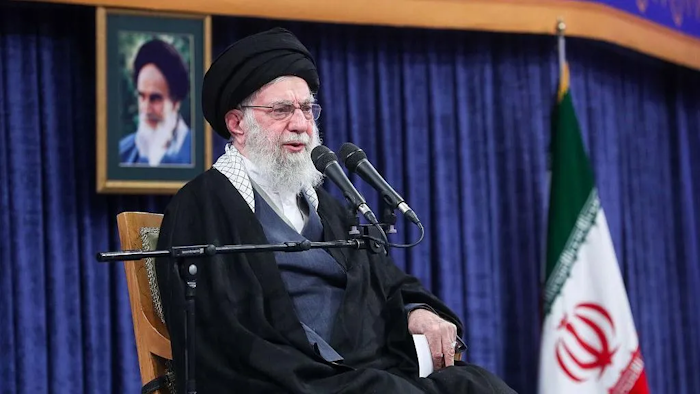
Iran’s supreme leader has for the first time publicly acknowledged that thousands of people were killed, “some in an inhuman, savage manner”, during recent protests.
A violent response to the unrest has claimed 3,090 lives, according to US-based Iranian Human Rights Activists News Agency (HRANA), with some activist groups putting the death toll far higher. An internet blackout has made it extremely difficult to get clear information.
In a speech on Saturday, Ayatollah Ali Khamenei said thousands had been killed and blamed the US for the deaths.
And the UK?
I’m disgusted to see the footage from the Iranian Embassy in London.
The London Metropolitan police beating up Iranians who are standing up for their loved ones in Iran as they are being massacred by the Islamic Revolutionary Guard Corps. pic.twitter.com/4zjbDJQDeS
Visitors to Tehran’s enormous and enormously luxurious Iran Mall in January 2024 must have wondered who would invest so much money for such extravagance in such an embattled country. The mall is the world’s largest shopping and entertainment centre, with over three million square feet just for its shops, plus giant decorative fountains in a city running out of drinking water. At the time, Iran was exchanging missile strikes with Pakistan over each country’s war with its own Baluch population. It would soon also escalate its intermittent Israel war and suffer disastrous defeat.
🚨 BREAKING: Iranians’ uprising against Islamic Occupation continues
The first footage from Zahedan has arrived. Due to internet shutdown and Starlink signal issues, fewer videos are coming out but the message from Iran is “we are still fighting”. pic.twitter.com/h8uCXzgM12
It has been nearly two weeks since US President Donald J. Trump threatened the Iranian regime with military intervention for killing its demonstrating citizens.
“If Iran shoots and violently kills peaceful protesters, which is their custom, the United States of America will come to their rescue,” the president wrote in a post on Truth Social on January 2, about five days into the Iranian protests. “We are locked and loaded and ready to go.”
Robina Aminian was passionate about fashion, posting images of herself on Instagram wearing the dresses she hand-embroidered.
She was also passionate about politics. On Jan. 8 the fashion student finished her class at Tehran’s women-only Shariati College at around 7 p.m. and joined a group of antigovernment protesters not far from campus.
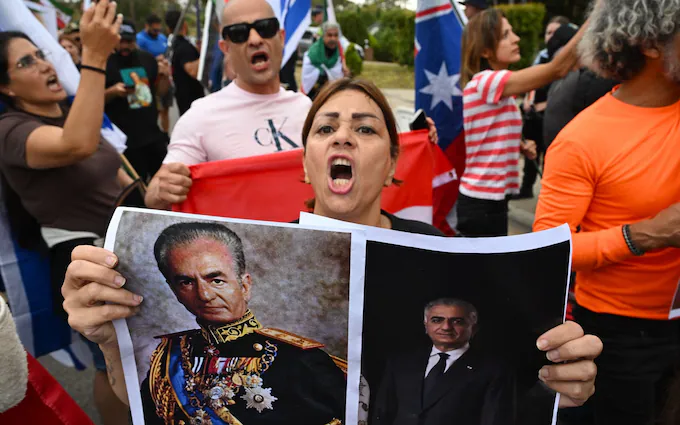
Iranians had been demonstrating for over a week, but Aminian knew that day was going to be different. The protests had been growing in size and expanding to more cities, with calls for regime change becoming louder. President Trump had threatened to intervene if security forces started shooting. Adding to the growing momentum, Reza Pahlavi, the exiled son of the deposed shah, had urged Iranians to pour onto the streets at 8 p.m., the start of the Iranian weekend.
The pampered offspring of Iran’s ruling elite are living the American Dream as the country’s brutal regime kills protesters by the thousands — and fed-up Iranians in California and across the US want them out.
Two explosive online petitions have been gaining steam as they call on the US government to immediately deport Eissa Hashemi and Fatemeh Ardeshir-Larijani — the children of current and onetime prominent Iranian government figures enjoying the comforts of the “Great Satan’’ as opposed to the oppressive streets of Tehran.
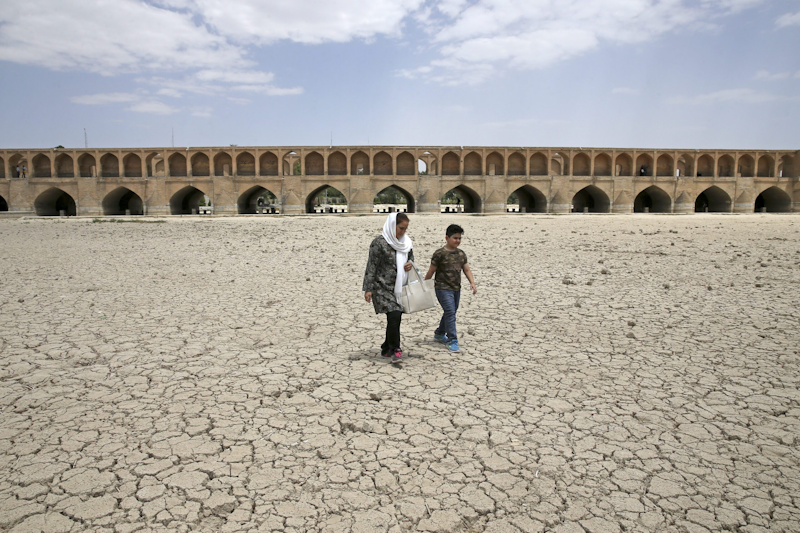
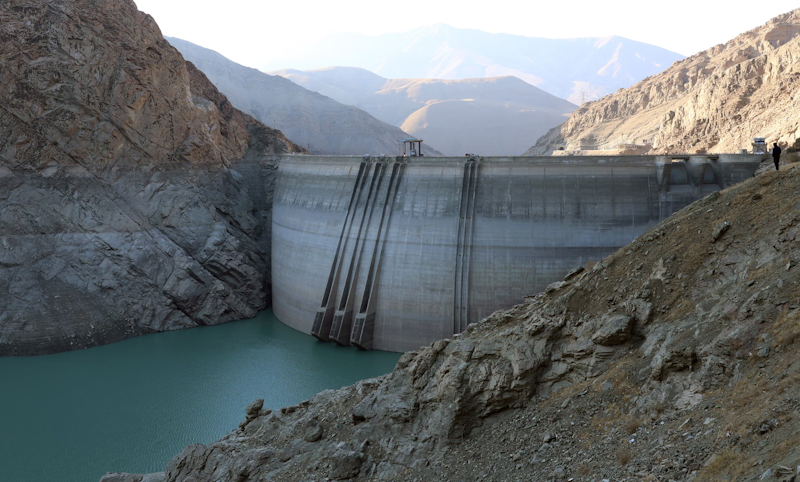
The Amir-Kabir dam running at low capacity. By putting major dams on rivers too small to sustain them, Iran’s authorities brought short-term relief at the cost of longer-term water loss.
Gripped by a terrible drought now entering its sixth year, Iran’s cities are on the brink of what its meteorological organisation calls “water day zero”: the boundary beyond which supply systems no longer function. This was crossed by Chennai in India in summer 2019 and is now threatening Mashhad, Tabriz and Tehran, where taps in the city’s southern districts had already run dry by early December.
Nightly “pressure cuts”, in which the water supply is halted to whole districts in the capital, have become the norm. Protesters demanding “Water, electricity, life – our basic right” over the summer were already risking a clampdown.
According to the Middle East expert Juan Cole, the head of the regional water company reported in early November that the five main water supply dams to Tehran, the capital, were only 11% full, and criticised the government for its inaction.
Donald Trump was persuaded not to strike Iran on Wednesday night by the last-minute diplomatic efforts of Persian Gulf states.
Saudi Arabia, Qatar and Oman made urgent calls to Washington to persuade the US president to delay military action and allow Tehran to demonstrate “good intentions”.
Late on Wednesday, Mr Trump appeared to step back from imminent action, saying he had been assured that “the killing in Iran is stopping”.
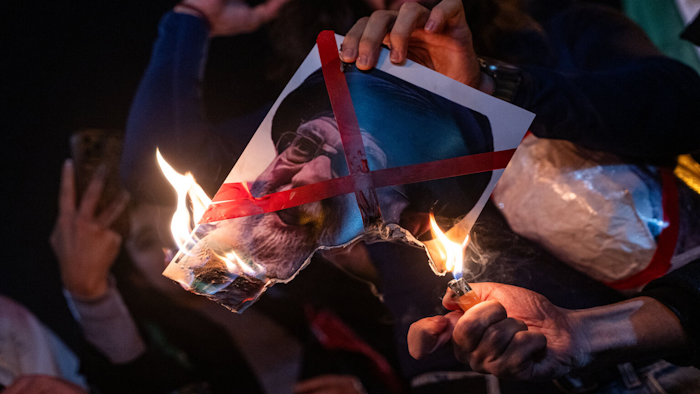
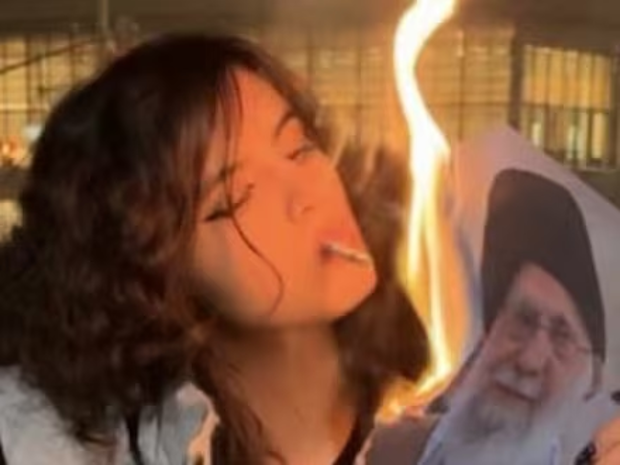
It was an iconic image: A photogenic young Iranian woman filmed herself lighting a cigarette with a picture of Iran’s leader, an evocative protest against the misogynistic clerics who run Iran.
It grabbed the attention of a world captivated by the Iranian uprisings, quickly inspiring copycats — including other young women and American politicians — and stylized artwork as well as AI knockoffs.
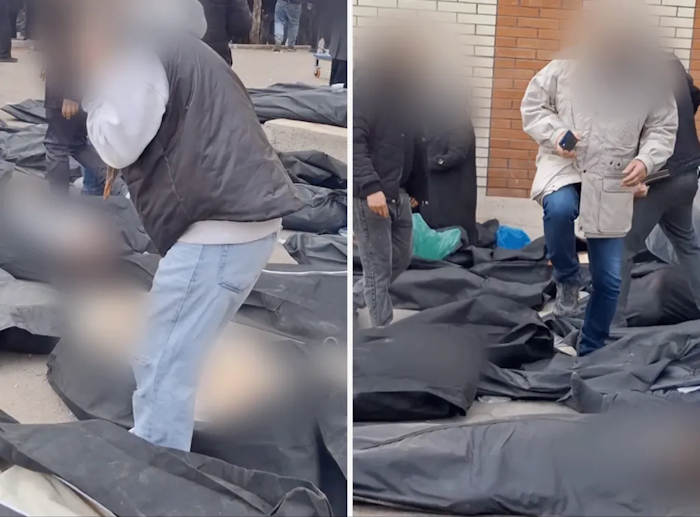
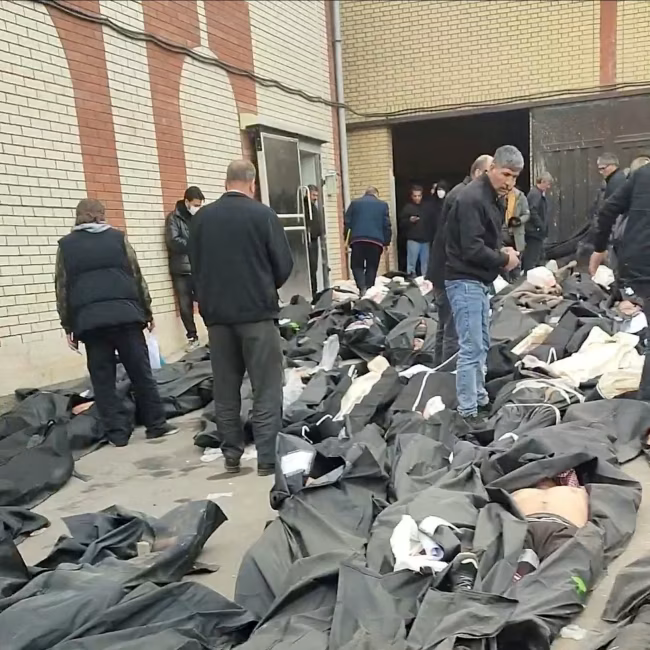
Distressing new videos have emerged from a mortuary in Tehran showing rows of bodies, blood soaked floors and crowds of people searching for loved ones following a deadly government crackdown on protesters in Iran.
The videos analysed by BBC Verify and BBC Persian, which are too graphic to show, contain some of the most shocking examples so far of how brutal the government’s retaliation has been since the unrest began on 28 December.
Forensic examination of the footage reveals nearly 200 bodies laid throughout the mortuary complex, many with visible wounds and one victim identified as young as 16.
Iran's Foreign Minister says it's actually "Israeli Mossad agents" killing protesters, not them 🙈 https://t.co/JIiTpmMObe
Heading home after joining a protest in Tehran on 8 January, Reza put his arms around his wife Maryam to protect her. “Suddenly, I felt my arm go light – there was only her jacket in my hands,” he told a family member, who later spoke to BBC Persian. Maryam had been fatally shot – and they had no idea where the bullet had come from.
The current protests gripping Iran began as demonstrations against the economic conditions in the country.
Sky's international correspondent @alexrossiSKY reports on how Iran's regime is trying to seize back control of the narrative.