
A judge in Lonoke County, Arkansas, on Thursday dismissed second-degree murder charges against Army veteran Aaron Spencer, who was facing charges for fatally shooting Michael Fosler, who allegedly sexually abused and kidnapped his minor daughter.
A judge in Lonoke County, Arkansas, on Thursday dismissed second-degree murder charges against Army veteran Aaron Spencer, who was facing charges for fatally shooting Michael Fosler, who allegedly sexually abused and kidnapped his minor daughter.
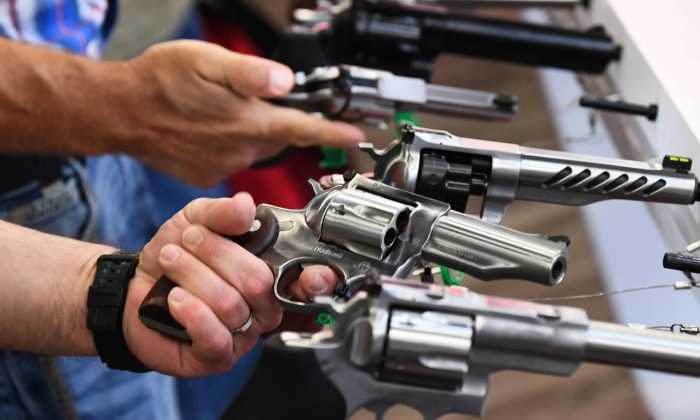
Every year I reflect on gun ownership and, more specifically, carrying a concealed handgun. The Second Amendment acknowledges, but does not bestow, the natural, unalienable right to keep and bear arms, based in self-defense and given by God. It cannot be granted by government, nor taken away by government. No government has ever disarmed its people for good and altruistic reasons, and history records that a disarmed people are a people under tyranny.
OTTAWA — It’s time for Queen’s Park to holster Canada’s gun grab.
That’s the message the Canadian Taxpayers Federation (CTF) is sending to Ontario Premier Doug Ford after a late-May Leger poll showed that more than half of respondents with an opinion were in favour of the Ontario government passing legislation to block the federal government’s beleaguered gun “buyback” program, following similar legislation tabled and adopted in Alberta and Saskatchewan.
When a gun is pointed at you, even for a split second, the barrel seems a whole lot larger than it really is. I’ve been unfortunate enough to experience that due to someone’s unsafe gun handling, so I’m talking from first-hand experience. Because of that, I don’t get worked up when there’s an officer-involved shooting, and the person shot by the police has a BB gun. I hate that it happened, and I feel awful for the officer, because I know that’s got to screw with a person’s head.
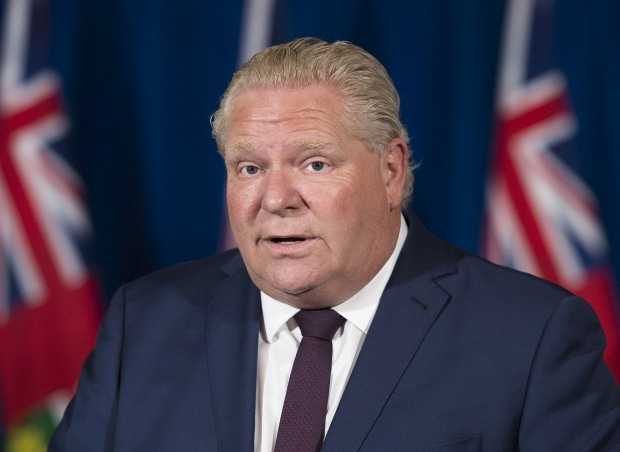
The Canadian Taxpayers Federation is calling on Ontario Premier Doug Ford to go beyond joining a court challenge against Ottawa’s firearm ban and pass legislation blocking federal gun grab efforts in the province.
The taxpayer advocacy group praised Ford’s decision to intervene in a Supreme Court challenge against the Liberal government’s gun prohibition scheme but said Ontario should follow Alberta and Saskatchewan by formally preventing provincial participation in the program.
It will alienate his liberal base.
The gun control lobby has done a pretty good job of masking its true intentions behind a veneer of “gun safety.” Even though advocates like Gabby Giffords have proclaimed at times that the goal is “no more guns,” folks like Brady’s Kris Brown regularly claim that they’re not opposed to gun ownership but are just in favor of a few “reasonable, common sense gun regulations.”
If you were going to spend a bunch of money on a new car, you’d probably want some proof that it actually works first. Right?
Apparently, Ottawa believes evidence is optional when spending taxpayers’ money.
I’m old enough to remember a time when owning a firearm in Alberta was simply a part of our lives. Farmers carried rifles in the back of the truck. Hunters taught their kids firearm safety before they taught them to drive. Sport shooting clubs operated openly and responsibly. We knew the difference between a .22 short, .22 Long, and .22 LR before our tenth birthday. Firearms were simply tools, traditions, and hobbies. In Alberta, owning a variety of guns was never viewed as offensive or radical. It was, and remains, completely normal.
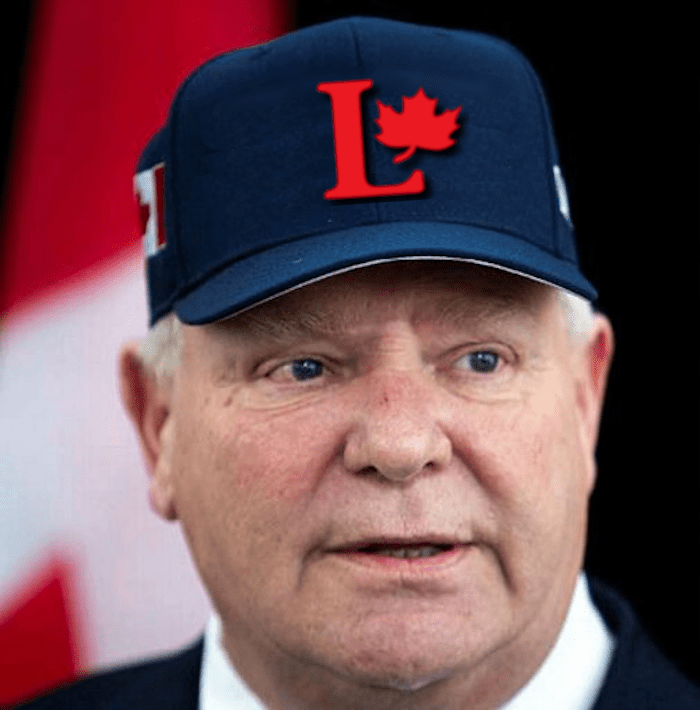
There’s always that one friend who talks big but doesn’t show up when it counts.
Which raises a question: Is that friend really a friend?
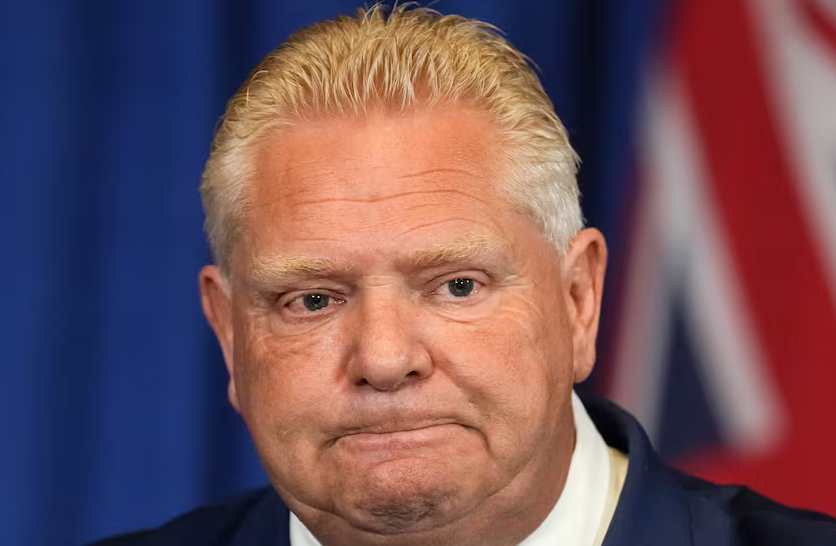
For Ontario firearm owners and taxpayers, that friend is Premier Doug Ford.
And upset his Liberal-NDP base? No way?
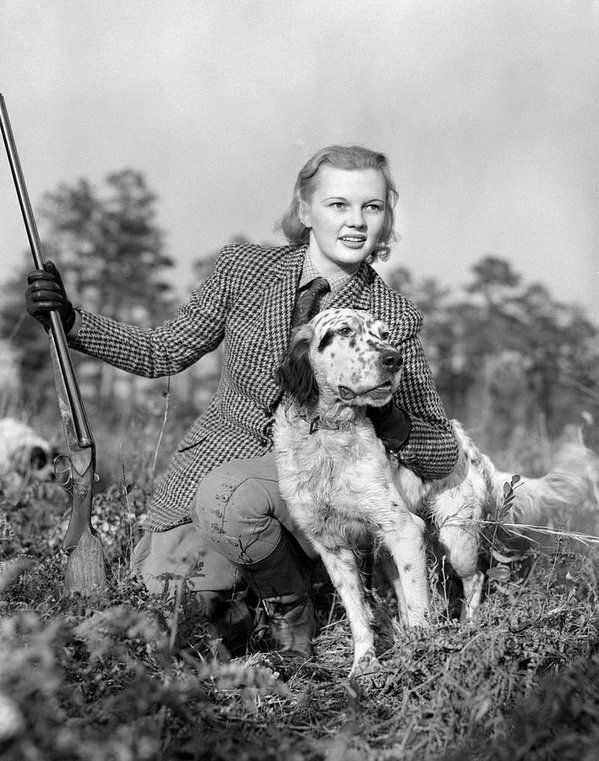
The Canadian Taxpayers Federation says newly obtained federal records show Ottawa has no evidence its controversial gun grab program will reduce crime or improve public safety.
The federation is calling on the Liberal government to scrap the program after an access-to-information request revealed Public Safety Canada does not possess any internal analysis measuring the program’s effectiveness.
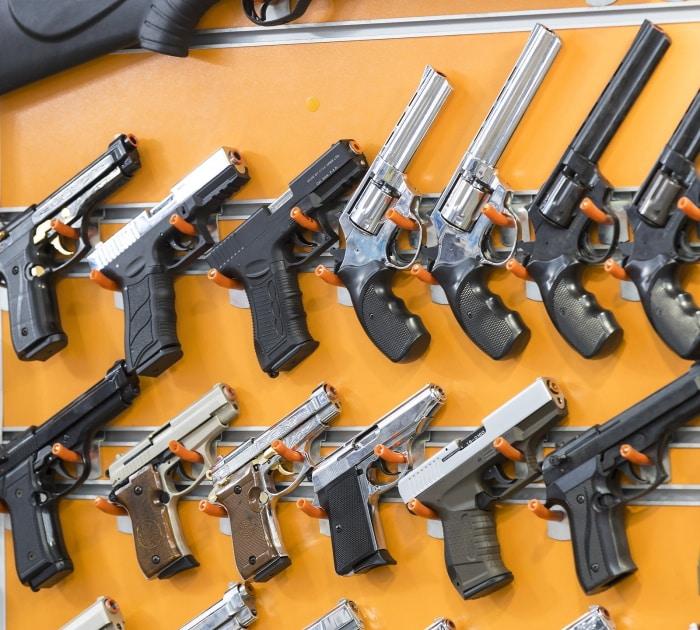
An April 16, 2026, CBC report shows exactly what crime-gun enforcement should be focused on: cross-border trafficking, criminal resale, and violent offenders — not confiscating firearms from licenced Canadians who acquired them legally.
This should end, once and for all, the fantasy that confiscating legally owned firearms from licenced Canadians is a serious answer to violent crime.
On March 22, a second letter was sent to Ontario’s Chief Firearms Officer.
It asked one question. A simple one.
“Will the Chief Firearms Officer revoke the firearms licences of those who do not turn in their newly prohibited firearms?”
And then, for clarity: “Yes, or no. Please choose one.”
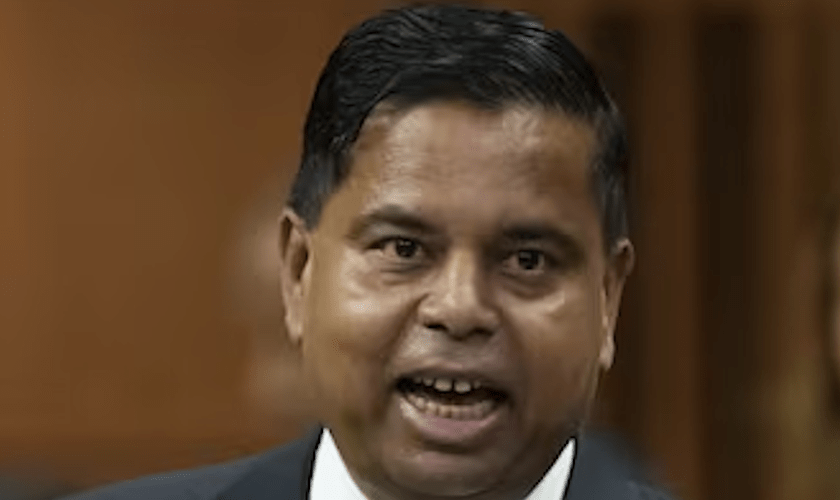
More than 7,000 banned guns have been declared in Alberta under the federal government’s gun buyback program, but owners in the province can’t collect compensation because of an ongoing dispute between Alberta and Ottawa over how the program is meant to operate.
That’s left firearms owners like James Bachynsky, president of the Calgary Shooting Centre, frustrated and out of pocket.
“It’ll impact me personally; it’ll impact my business partners, my family,” he said.
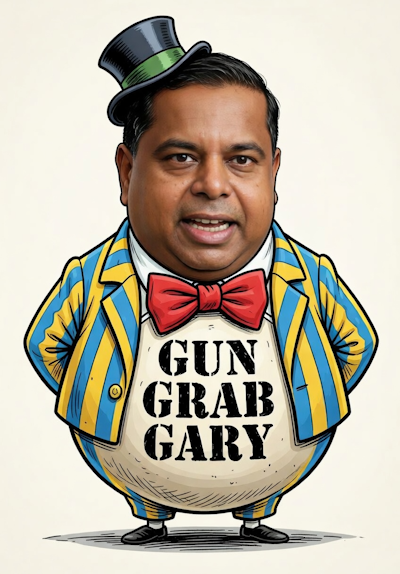
Federal Public Safety Minister Gary Anandasangaree needs to learn the meaning of the sunk-cost fallacy.
That’s because he needs to finally cut his losses and scrap Ottawa’s gun ban and confiscation scheme.
Six years ago, after Gabriel Wortman of Nova Scotia committed the deadliest mass shooting in Canadian history, the Trudeau government banned more than 2,500 models of firearms because they looked scary. Even though other models of the same firearms had the same firepower, those versions were not banned because they lacked the militarist features that made the others look like “assault-style” weapon.
