Citizens are alarmed by the climate crisis, but most believe they are already doing more to preserve the planet than anyone else, including their government, and few are willing to make significant lifestyle changes, an international survey has found.
“The widespread awareness of the importance of the climate crisis illustrated in this study has yet to be coupled with a proportionate willingness to act,” the survey of 10 countries including the US, UK, France and Germany, observed.
Also … ‘Like slave and master’: DRC miners toil for 30p an hour to fuel electric cars
Congolese workers describe a system of abuse, precarious employment and paltry wages – all to power the green vehicle revolution
The names Tesla, Renault and Volvo mean nothing to Pierre*. He has never heard of an electric car. But as he heads out to work each morning in the bustling, dusty town of Fungurume, in the Democratic Republic of Congo’s southern mining belt, he is the first link in a supply chain that is fuelling the electric vehicle revolution and its promise of a decarbonised future.
Pierre is mining for cobalt, one of the world’s most sought-after minerals, and a key ingredient in the batteries that power most electric vehicles (EVs).

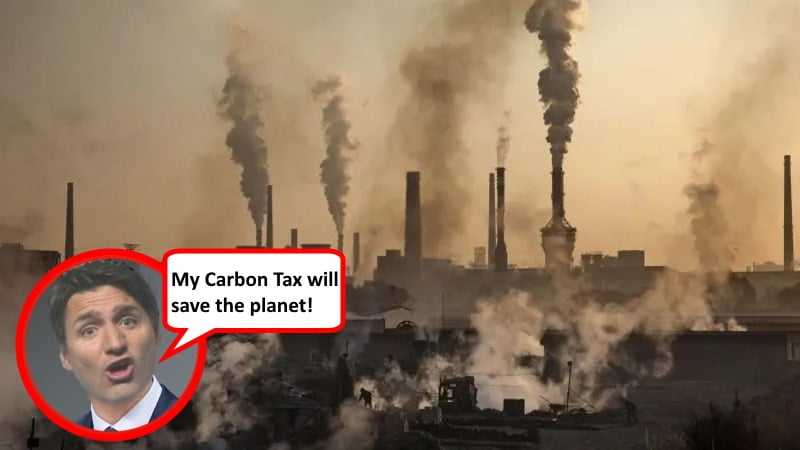
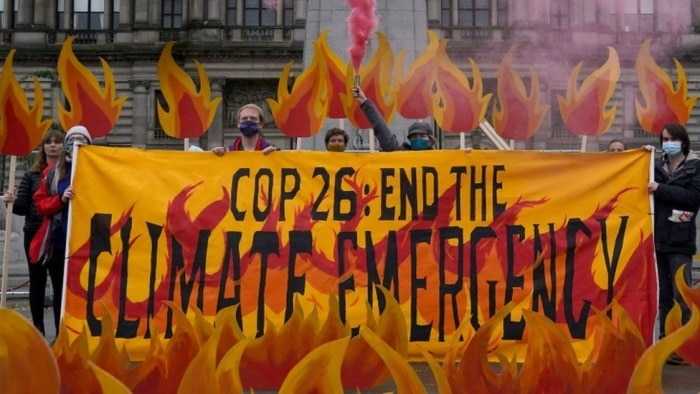
 What does Conservative Leader Erin O’Toole think of Justin Trudeau’s “hard cap” on emissions from the oil and gas sector, announced by the prime minister earlier this week at the U.N.’s climate conference in Glasgow, Scotland?
 Canada’s Environment Minister says the federal government will allocate at least 20 per cent of its $5.3 billion international climate finance commitment to nature-based solutions in developing countries over the next five years in a bid to limit biodiversity loss.

 The hysterical headlines are based on an unlikely scenario