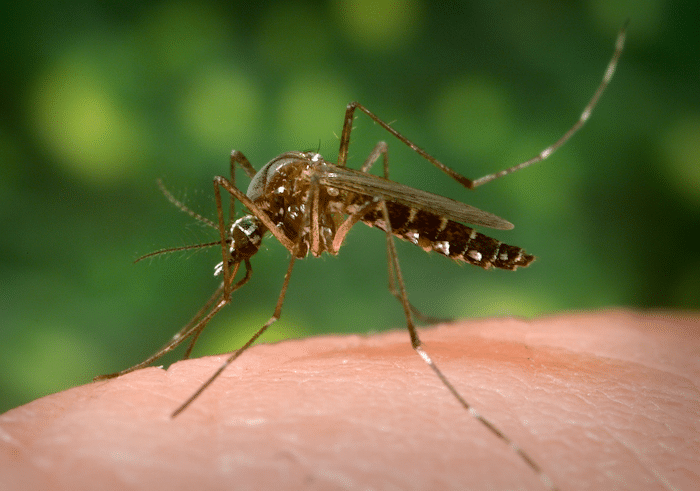
In 2022, when Edmonton decided to stop airdropping mosquito-larva-eating bacteria into bodies of water and opt for more “natural” methods of pest control, experts warned that mosquito populations in the city could double. Well, anyone in the city who walked in grass last weekend will tell you that this grim prophecy has come true: we’re in a mosquitopocalypse.
Let’s set aside the basic moral argument and my aversion to people being given things they haven’t earned, which you may also share. Over time, I’ve actually softened my stance on this. It simply isn’t within everyone’s power—reasonable power—to be in good shape. A child has no control over what its parents feed it. The decision to raise a child on a diet of ultra-processed food, starting with formula instead of breastmilk, can essentially set it up to fail for life. An overweight or obese child raised on ultra-processed food will continue eating ultra-processed food as an adult and face problems around eating that a child raised on proper home-cooked food will not.
In the UK, the average two- to five-year-old now derives two-thirds of his or her daily calories from ultra-processed food. The U.S. isn’t far behind that dismal figure.
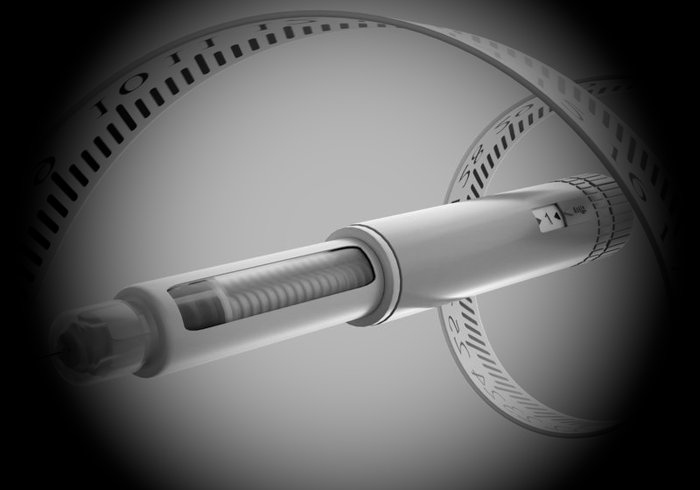
I am taken aback at the rapid adoption of these drugs.
This kid is being eaten by Microplastics says top scientist.
Exclusive: Some scientists say many detections are most likely error, with one high-profile study called a ‘joke’
High-profile studies reporting the presence of microplastics throughout the human body have been thrown into doubt by scientists who say the discoveries are probably the result of contamination and false positives. One chemist called the concerns “a bombshell”.
Studies claiming to have revealed micro and nanoplastics in the brain, testes, placentas, arteries and elsewhere were reported by media across the world, including the Guardian. There is no doubt that plastic pollution of the natural world is ubiquitous, and present in the food and drink we consume and the air we breathe. But the health damage potentially caused by microplastics and the chemicals they contain is unclear, and an explosion of research has taken off in this area in recent years.
More than 100 years ago, two researchers began combing downtown Toronto in search of dogs for their medical experiments. They had already gone through about a dozen dogs provided by the University of Toronto, but the pair had killed them all: one using too much anesthetic, another in surgery during which the dog bled out, and most of them due to infections from surgeries performed in unsanitary conditions.
It is amazing how many reports, meant to scare the public into compliance, are so wrong. No matter how often this occurs, most of the media just repeats what they are told, which makes them worthless, and dangerous.
For countries to compete economically in the 21st century, support for fundamental research in science and engineering needs to be an integral part of policymaking. China, India, Singapore, Korea and numerous other countries are devoting billions to building up their research enterprises, and in numerous cases are beginning to outstrip the West. One of the problems in North America is that major science funding agencies have become fixated on devoting resources to addressing perceived social justice issues, drawing key funding away from the science enterprise itself.
Americans haven’t come to terms with their scientifically politicized reality.
One of the more disturbing outcomes of the late 2023 congressional investigation into the prevalence of antisemitism on America’s college and university campuses was the discovery of widespread plagiarism. No sooner was it clear that Harvard president Claudine Gay may have committed publishing piracy nearly 50 times over the course of her career when stories began breaking about the frequency of similar transgressions at Columbia, Brown, and elsewhere.
Yet as gravely as plagiarism is (or at least should be) treated within scholarly circles, its impact is typically limited to distorting a reader’s perception of who first expressed some important idea or observation, not the accuracy of the secretly copied material itself. It would be far more consequential if academics were either intentionally or unconsciously misrepresenting facts that could seriously mislead average citizens as well as compromise the usefulness of contemplated social programs. Unfortunately, this later intellectual sin is far more common than generally known.
The study had been given a provocative title — Evil Genius? How Dishonesty Can Lead to Greater Creativity — and the findings were intriguing. Its author, a star researcher at Harvard Business School, had shown that people who lied about whether they’d correctly predicted the outcome of a coin toss were more innovative than their honest peers.
Italy officially banned lab-grown meat this week in a bid to protect the nation’s farmers and food heritage from the Great Reset-style push towards synthetic foods.
Voting by a measure of 159 to 53, the Italian parliament voted to prohibit the sale of lab-grown meat for food or animal feed that was “produced from cell or tissue cultures deriving from vertebrate animals”.
IN DANTE’S Inferno, Hell is, counter-intuitively perhaps, freezing cold. In the 9th Circle the Devil is entrapped in a lake of ice. An imaginative inversion of what we normally take Hell to be.
Clearly the 14th century Italian poet didn’t get the memo from UN secretary general Antonio Guterres, for whom the Hell we currently suffer is boiling hot. Or if he did get it, perhaps he binned it. I wouldn’t blame him.
Steve Milloy, long-time editor and founder of JunkScience.com, announced an explosive exposé this month in an extended article. Government and private scientists in radiation safety have been attempting to cover up a pattern of misconduct and hijack the Health Physics Society, a professional organization of radiation safety experts and officials, to take down the society’s series of twenty-two videos featuring Dr. Ed Calabrese, which exposes a longtime scam in radiation safety matters.
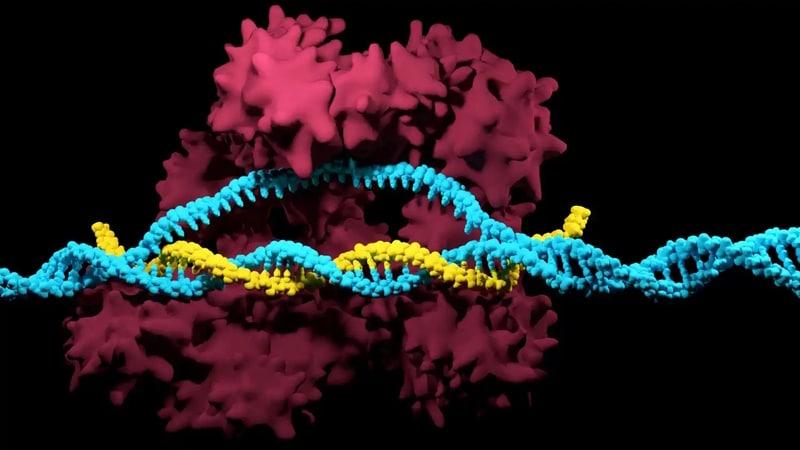
A rogue Chinese scientist who was jailed for creating the world’s first genetically edited babies has described his “huge unease” over the future of the children, now aged about four.
He Jiankui, 39, was sentenced to three years in prison in 2019 after an international outcry when it emerged that he had altered the genes of twin girls, known as Lulu and Nana, at the embryonic stage with a technique called Crispr in an attempt to make them immune to HIV infection.
Crispr Crunch? Mutants on demand? Genetic Class Warfare?
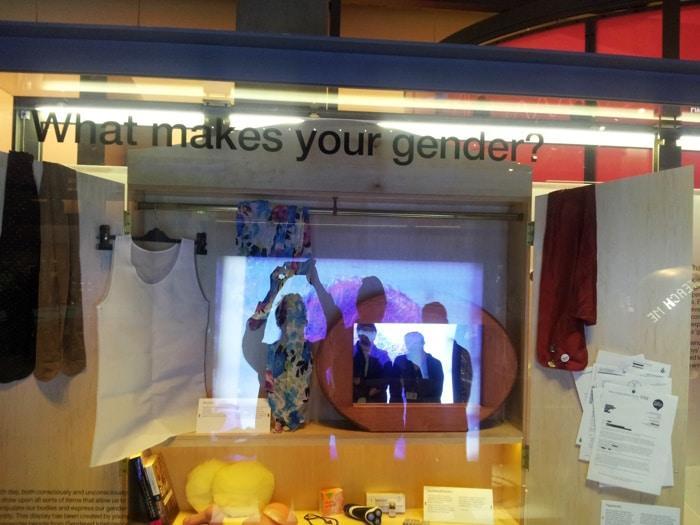
The Boy or Girl? gallery, featuring a fake penis and chest binders, was removed after objections it was ‘not science’
The Science Museum has dismantled a trans-inclusive display following complaints it was pushing “propaganda” and not biology.
A cabinet titled Boy Or Girl? displayed quotes describing the transition from the “wrong body” as a “hero’s journey”, and labels characterising gender as something “difficult to define” which “may not match your biological sex”.
The display which featured a fake penis and chest-binding equipment has been taken down by the museum following complaints the information provided was “not science, but propaganda”.
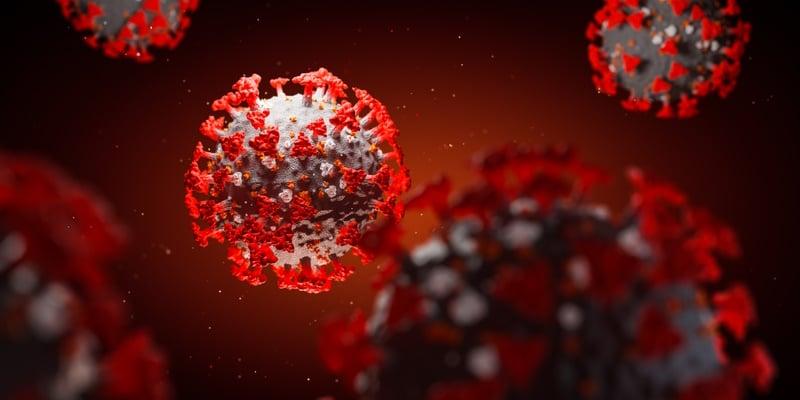
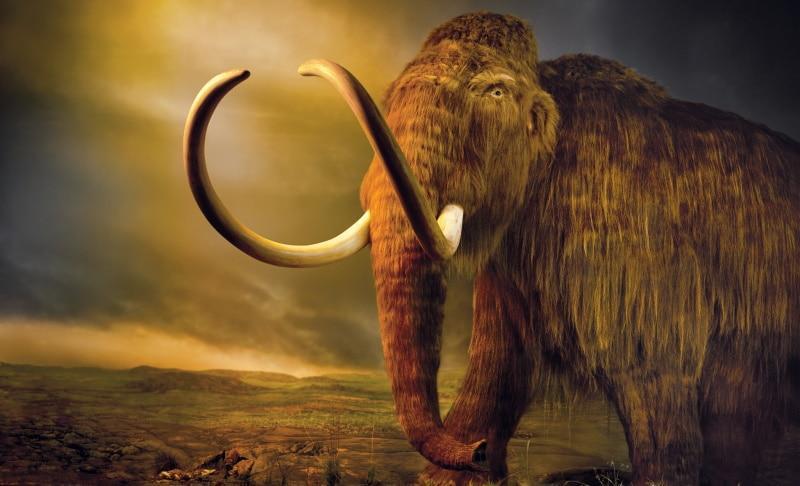
In the heart of Siberia, a team of Russian scientists is working to reawaken ancient viruses, sparking concerns that a mishap could trigger a new pandemic.
Scientists at the Vector research centre in Russia’s Novosibirsk region are analysing the remains of mammoths, woolly rhinoceroses and other Ice Age animals to identify and revive prehistoric viruses, also known as paleoviruses. The animals were almost perfectly preserved in the frozen earth of Yakutia, a vast region in northeast Siberia where winter temperatures can plunge as low as minus 55C. The research, which began last year, is aimed at researching how viruses evolve.