World War Two: Thousands of bombs still left unexploded

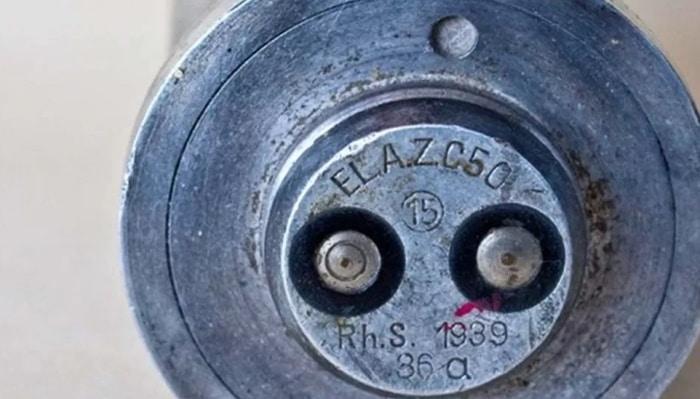
There are potentially thousands of unexploded World War Two bombs around Wales, with emergency services still dealing with up to 20 callouts a year.

With the coastal towns of Cardiff and Swansea key German targets, many are thought to be in these areas.

At the start of the war, the authorities were “utterly unprepared” how to deal with unexploded bombs, according to historian Steve Day.

A bomb disposal officer was expected to live for two months.

Share

The American Who Gave Us Pearl Harbor

This man helped the Soviets shape U.S. policies that undermined negotiations with Japan.

While most Americans commemorate the anniversary of Japan’s attack on Pearl Harbor on December 7, 1941 — what President Franklin Roosevelt called “a date which will live in infamy” — most Americans are probably not aware that the infamy of Pearl Harbor included a Soviet covert operation designed to influence Japan to attack the United States instead of the Soviet Union so that the Soviets would not face a two-front war. The covert operation was code-named “Snow,” and it involved a high-level Treasury Department official named Harry Dexter White.

Share

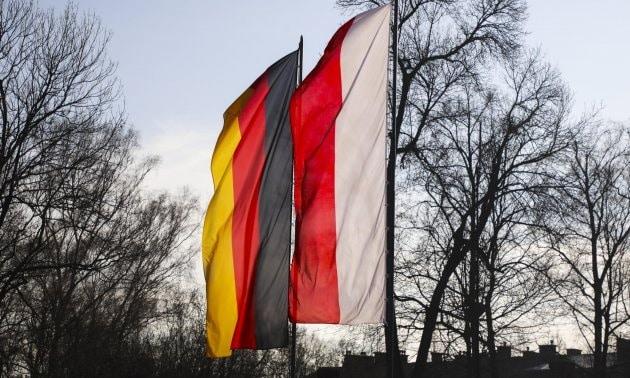
Poland issues ultimatum to Germany over €1.3 trillion in WWII reparations

Poland is ratcheting up the pressure on Germany over reparations for the Second World War, with Poland’s Deputy Foreign Minister Arkadiusz Mularczyk giving Germany a new ultimatum to pay up or face Poland bringing the matter to a range of international forums, a move that may harm Germany’s international reputation.

“Now, Germany has a choice: Either it sits down with Poland at the negotiating table, or we will raise the issue in all international forums — in the UN, in the Council of Europe and in the European Union,” he said, according to German news agency dpa.

…“If Germany had been treated as it was in many plans formulated not in the Soviet Union but in the West, today they would be a very, very poor and much less numerous country than they are,” he claimed, adding that the defeated German nation was “treated extremely kindly” given the circumstances.

“Let them thank God that is only so. They owe us, they have to pay,” he insisted.


Long but interesting related reading… 

Fears of Retribution in Post-War Germany

Three groups were at the heart of post-war German fears of revenge: Jewish Holocaust survivors, Eastern European Displaced Persons, and American occupation officials.

Share

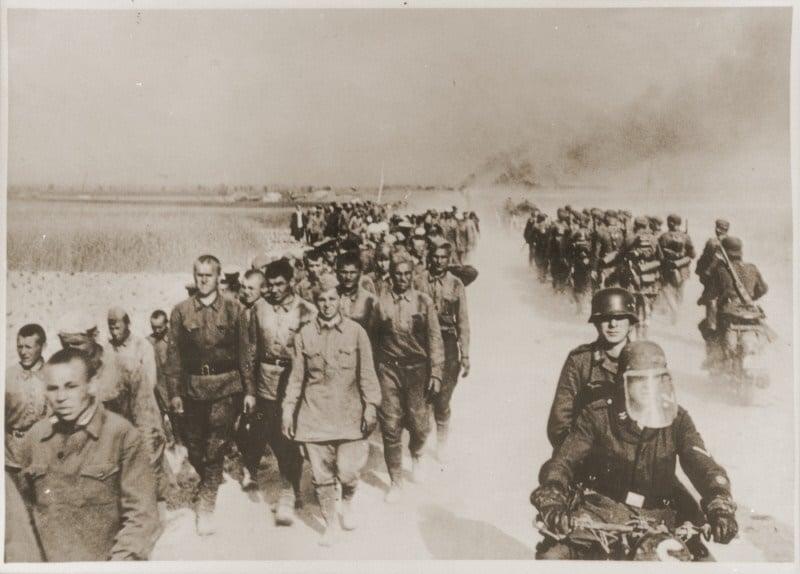
Nazi hunters investigating execution of Red Army prisoners

One morning in the next few months, a 98-year-old man living somewhere near Coburg, in Bavaria, may be visited by the ghosts of the distant past.

Nearly eight decades ago he is believed to have joined the SS, Nazi Germany’s sprawling paramilitary apparatus of terror, which posted him to the Ravensbrück concentration camp in April 1943.

Local prosecutors are weighing up whether to charge the man, whose identity has not been made public, with aiding and abetting hundreds of murders that took place within the camp’s barbed wire perimeter over the following two years.

Share

Guadalcanal: An American victory aided by a British hero

I WROTE recently in TCW how victory for Britain in the Second Battle of El Alamein in November 1942 was a turning point in the war against Germany.

Commenting on the article, one of our American readers, D A Christianson, noted that the pivotal moment of the war in the Pacific for the US also came in 1942, with the battle for the key island of Guadalcanal.

He was right to remind us. The hard-won victory there after a bitter six-month struggle from August 1942 to February 1943 is probably little remembered now in Britain, but it halted Tokyo’s military juggernaut, which until then had seemed unstoppable.

Share

Exploding the myth of wartime stiff upper lip

Trauma of fighting in the Second World War remains a peculiar taboo because its heroism is so woven into our identity

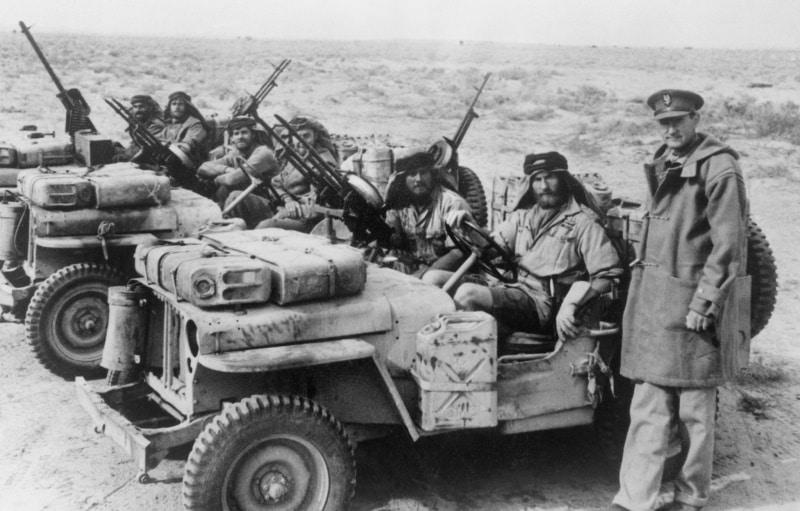
… Some of the first SAS soldiers, notably Lieutenant Blair “Paddy” Mayne, were recruited precisely because they were unstable, unruly and prone to extreme violence. Mayne’s behaviour was sometimes close to psychotic. Several of the early SAS recruits exhibited increasing irrationality and symptoms of mental illness, as the strain of a particularly brutal form of warfare took a toll.

Share

Eighty years later, World War II is fading from historical memory

We’re losing touch with its lessons just as they struggled to commemorate the Civil War

With worries about inflation, the war in Ukraine, and tension over Taiwan, it’s easy for Americans to forget that we are now deep into the four-year period marking the eightieth anniversary of World War II. Last December marked eighty years since the day of infamy at Pearl Harbor, while this June passed the date of the critical victory at Midway. In a little less than two years, it will be eight decades since the greatest invasion in history, on D-Day. Soon after will follow commemorations of Hiroshima and Nagasaki and both V-E and V-J Days. Each year, living memory of that global struggle continues to fade, with the passage of both time and the Greatest Generation.

Share

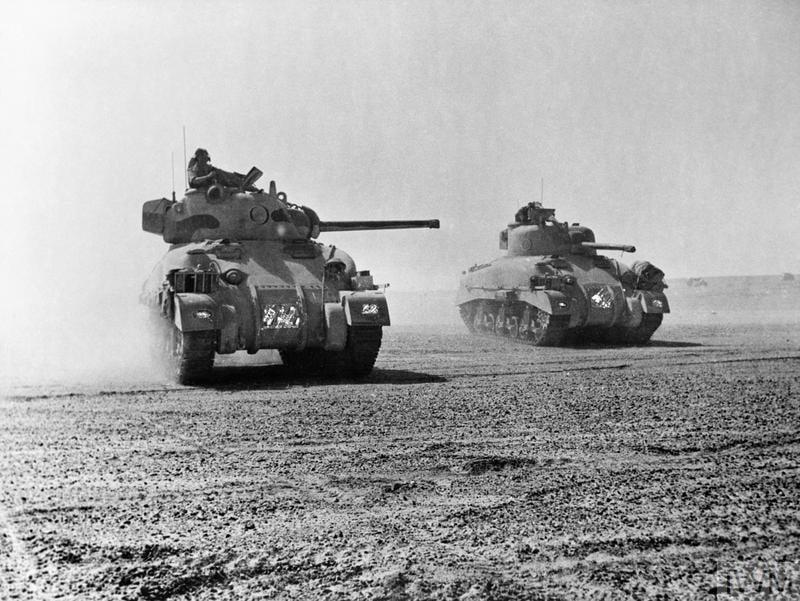
Alamein 1942, the turn of the tide

EIGHTY years ago tonight, the silent darkness of the Egyptian desert erupted in flame and hellish noise as the Second Battle of El Alamein began.

A four-hour artillery and aerial bombardment starting at 9.40pm opened the massive assault by the Eighth Army against their German and Italian foes.

Although the bulk of the troops going forward were British, their comrades in arms included divisions from Australia, New Zealand, South Africa and India, as well as soldiers from Greece, Poland and the Free French.

Share

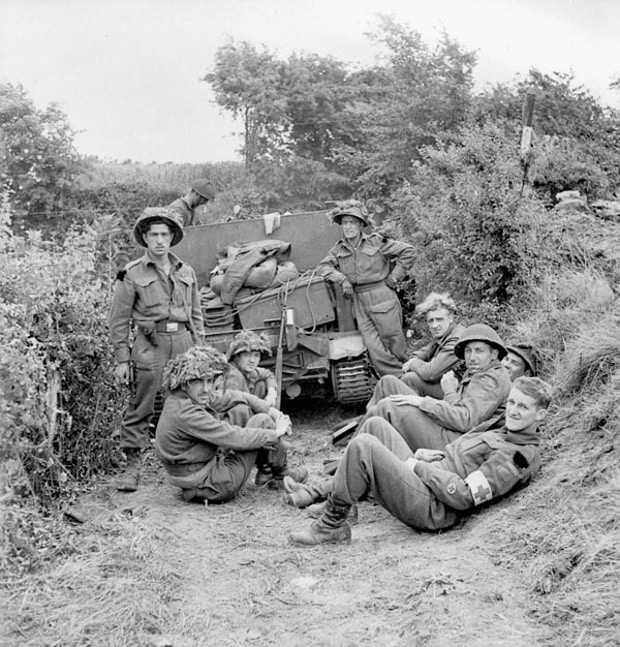
D-day tribute or theme park? Battle rages over Normandy plan

A row has erupted in France over plans for a new D-day attraction near the landing beaches, which critics have likened to a Disney-style theme park.

The multimillion-euro project to retell the story of le débarquement of 6 June 1944 and the subsequent Battle of Normandy in a hi-tech 45-minute “immersive show” has sparked a furious war of words, with opponents describing it as disrespectful to those who died and their families.

Share

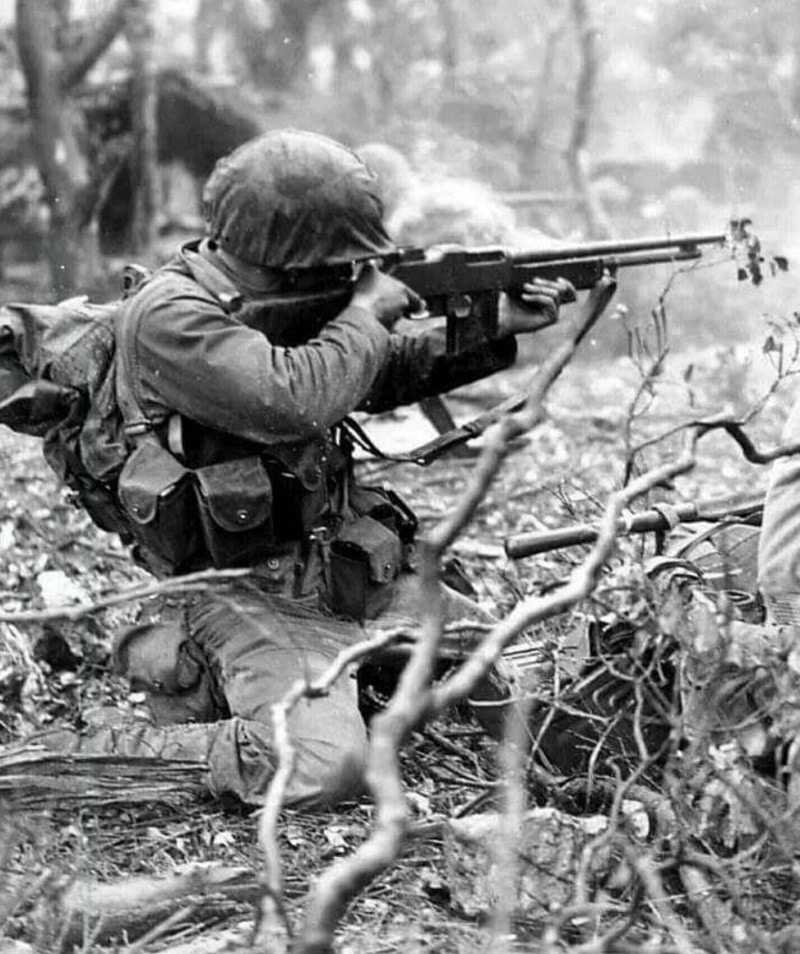
America Turns the Tide: The Meaning of Guadalcanal

An anniversary that reminds us of what greatness required.

Eighty years ago, on Aug. 7, 1942, American Marines went ashore on the tropical islands of Guadalcanal and its tiny neighbors Tulagi, Gavutu, and Tanambogo. This marked the first sustained offensive action by American land forces in the Pacific. After the Japanese attack on Pearl Harbor on Dec. 7, 1941, America and its allies had been chased out of the Philippines, Wake Island, Hong Kong, Malaysia, Singapore, and Indonesia. It was as Adm. Isoroku Yamamoto said, the time of “running wild” for six months, with no “expectation of success” thereafter. The Japanese had awoken a sleeping giant by attacking Pearl Harbor.

Share

Revealed: How the Nazis spent their final days on board doomed U-boat

Hundreds of artefacts from submarine U534 have been unearthed, offering clues into the Germans’ activities in the Second World War

Historians in Birkenhead are hoping to uncover the mystery of why the U-boat U534 disobeyed orders to flee Germany in the dying days of the Second World War after unsealing hundreds of objects from the boat for the first time in 80 years.

They have opened dozens of boxes of artefacts found aboard the submarine, which is believed to have been scuttled by its crew after coming under attack from British aircraft off the coast of Denmark.

There are various theories as to what U534 was doing, including that it may have been carrying top-secret torpedo technology to Japan or even the US as part of a defection plan.

Share

US airman who rescued film of A-bomb horrors is honoured at last

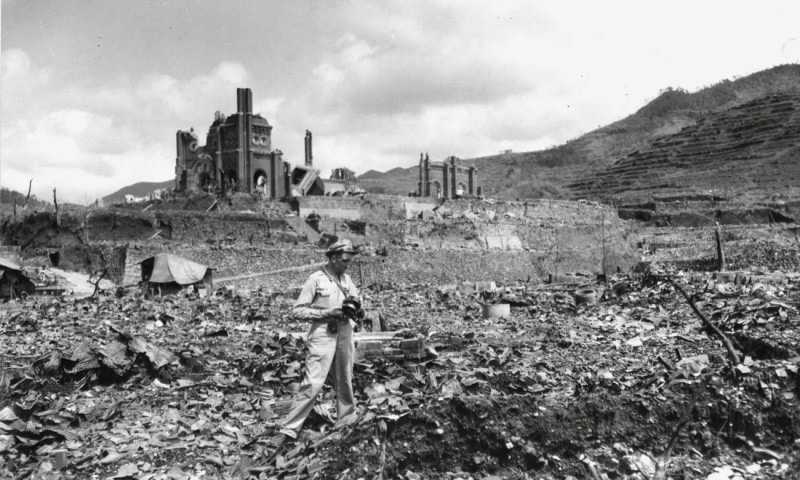
The photograph shows devastation in Nagasaki after the atomic bomb: a scorched wilderness where there was once a city. At its centre stands a lone man with a camera.

It was 9 September 1945 and Lt Daniel McGovern, a US Army Air Force cameraman, was documenting ground zero, the point directly below the bomb’s detonation four weeks earlier. Few would recognise McGovern, but the vision of apocalypse is familiar from documentary footage of Hiroshima and Nagasaki at the end of the second world war.

Share

The Lighthouse of Stalingrad: what Putin gets wrong about the Second World War battle

This engaging history picks apart the heroic myth of Stalingrad’s defence — which the Kremlin still obsessively cultivates today

In the centre of the city of Volgograd, at 39 Sovetskaya Street, stands a yellow-painted four-storey apartment building. At first glance it seems a typical Russian residential block, built before the Second World War. Yet when you turn the corner towards the River Volga you see the tall red-brick memorial clinging to the building’s eastern side. Carved into the brickwork is a message in Russian: “In this building fused together heroic feats of warfare and of labour. We will defend/rebuild you, dear Stalingrad!”

Share

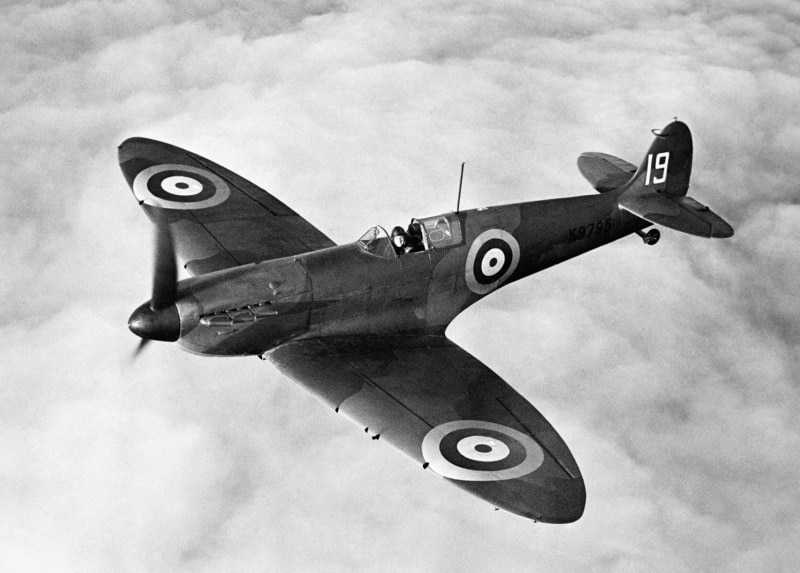
How to fly a Spitfire

RAF vets take to the skies one last time

The hangar is patriotically dressed with tiny flags and a large resin model of a Sunderland bomber. Miniature pilots in its cockpit have painted smiles. Sensible women are handing out buns and tea. Forties jazz plays; I might be in a JB Priestley novel, or at a village fete. The war may never have ended. And dotted around the room, unmistakable, unmistakably old are 48 RAF veterans.

This is Project Propeller, today. Every year, since 1999, it has spirited Royal Air Force vets up in the sky again. Younger pilots come for the war stories, and to say thank you. The vets meet their old comrades.

Share

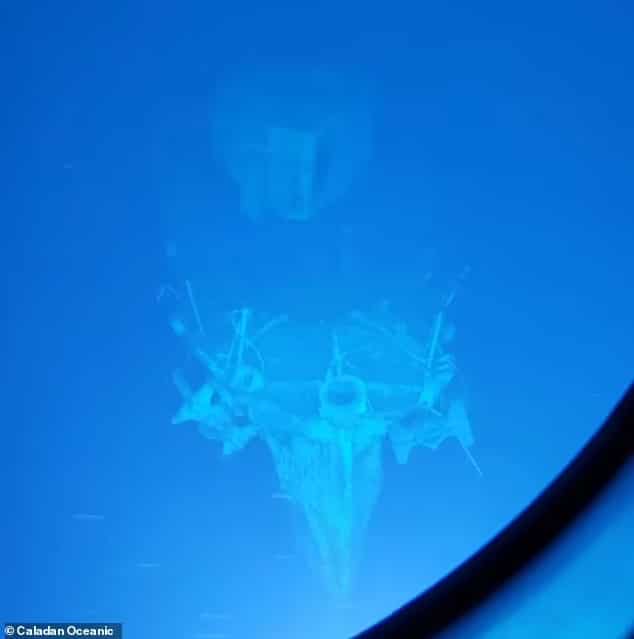
World’s deepest shipwreck found: WWII US Navy destroyer Samuel B. Roberts sunk in the Battle off Samar in the Pacific discovered over 22,600 feet down

More than 22,600 feet below the surface of the Pacific Ocean lies a WWII US Navy destroyer that has been named the world’s deepest shipwreck.

The USS Destroyer Escort Samuel B. Roberts (DE-413), known as the Sammy B, was located on Wednesday in the Philippine Sea.

The vessel went down during the Battle Off Samar in the Philippine Sea in October 1944 after it was hit by Japanese fire.

Share