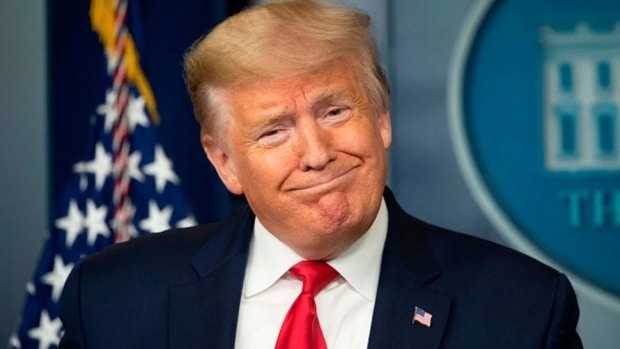
There is, in Washington, a recurring temptation: that the Middle East can be managed, contained, adjusted at the margins through economic pressure, surgical strikes, and the careful selection of supposedly “acceptable” figures drawn from within the very systems that generated the chaos. US President Donald Trump, whose instincts have often broken with this practice, now appears perilously close to reproducing it. The issue is not a lack of clarity— he understands the nature of the threat far better than most Western leaders — but the potential failure of an operation halted midway. Regimes are destabilized but left standing, Jihadist ecosystems are weakened but not dismantled. Recycled figures from the same ideological mold are repackaged as partners. This sadly makes for half-finished wars presented as advisability.
“US Israel Iran War”
China to deliver new air defense systems to Iran in coming weeks: Report
U.S. intelligence reportedly indicates China is looking to send shipments of weapons to Iran amid the Middle Eastern country’s conflict with the United States.
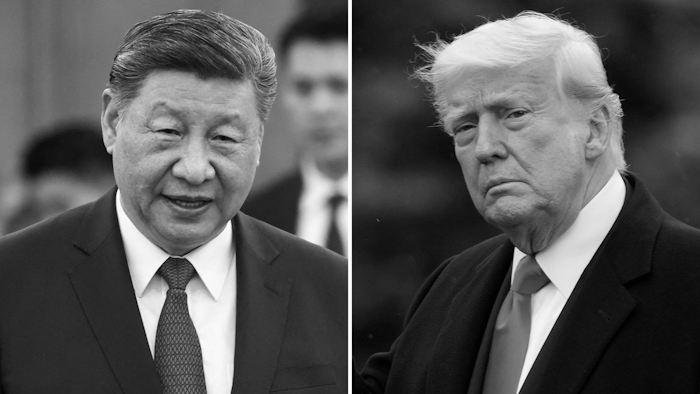
Beijing is delivering new air defense systems to Iran within the next few weeks and is working to route the shipments through third countries to mask their true origin, according to CNN. If true, the development would constitute a provocative statement by Beijing just weeks ahead of President Donald Trump’s meeting with Chinese President Xi Jinping and would mark a significant escalation of support to Iran.
The U.S. Sank One of Iran’s Navies. The Other Still Controls Hormuz.
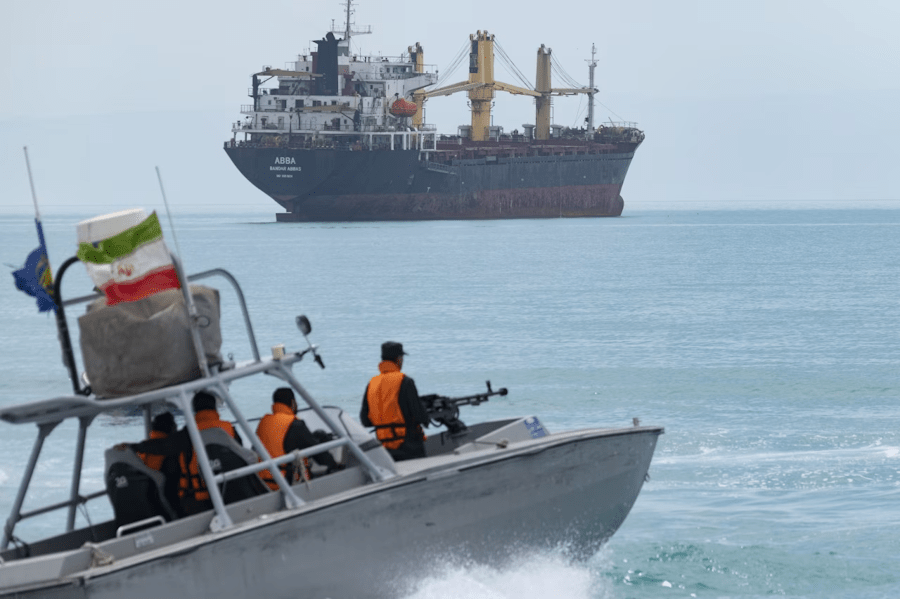
The U.S. has destroyed most of Iran’s navy. But not the one Tehran uses to control the Strait of Hormuz.
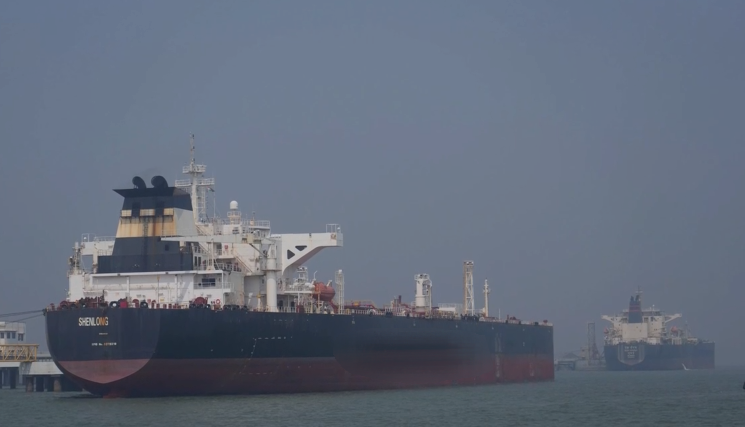
The regular navy operated Iran’s big battleships largely for prestige and occasional long-range deployments. The paramilitary Islamic Revolutionary Guard Corps, on the other hand, has its own extensive fleet of more nimble boats designed to control the crucial waterway with missiles, mines and harassment of commercial ships—and they are much harder to reach.
There’s a silver lining in the Iran war ceasefire for Canada’s oil and gas industry
The energy fallout of the U.S. and Israel-Iran war is a reminder that life is often unfair.
The United States, which started the war with a surprise attack on Iran in the middle of negotiations, could escape largely unscathed in terms of its energy supply — even as its international reputation takes a hit and U.S. inflation spikes as a result of oil prices.
But U.S. allies in Asia and Europe, who were neither consulted nor warned about the U.S.-Israeli attack, are facing sustained shortages.
We spoke to the man making viral Lego-style AI videos for Iran. Experts say it’s powerful propaganda
At first glance they look like they could be scenes out of a Lego movie, although more vivid and fast-paced.
But these viral AI videos inspired by the instantly recognisable Lego aesthetic feature dying children, fighter jets and US President Donald Trump – and are in fact pro-Iran propaganda.
For our new BBC podcast, Top Comment, we spoke to a representative of Explosive Media, one of the key accounts generating these clips. He wanted us to refer to him as Mr Explosive.
Iran’s new Lego video is characterically impressive propaganda. Epstein, oil politics, antisemitic tropes – all delivered through an iconic Western brand.
As ever, the goal is to exploit Western cultural divisions. As ever, it succeeds. pic.twitter.com/VVRYkjwvCY
— David Patrikarakos (@dpatrikarakos) April 10, 2026
“Experts”
US Navy to start ‘blockading any and all ships’ trying to enter or leave Strait of Hormuz, says Trump
US President Donald Trump says that the US is going to start “BLOCKADING any and all Ships trying to enter, or leave, the Strait of Hormuz”.
In a lengthy new post on Truth Social, he says that “the meeting went well, most points were agreed to, but the only point that really mattered, NUCLEAR, was not”.

Ghost Murmur tool that ‘found US airman’ defies the laws of physics
The colonel, one of a two-man crew of an F-15E Strike Eagle shot down by an Iranian shoulder-launched missile, had spent two days trying to conceal his location from enemy search parties, while letting his would-be rescuers know where he was.
Apart from intermittent radio contact, all he had was his personal “come-and-get-me” beacon signal. And he dared switch that on only occasionally, for the Iranians would surely be monitoring the conventional means of rescuing him.
US, Iran fail to reach peace agreement after marathon talks in Pakistan
ISLAMABAD, Pakistan — Vice President JD Vance said an agreement was not reached with Iran to end the six-week war that has rocked the Middle East following marathon peace talks in Pakistan.
Throughout the roughly 21 hours of talks, very few details were made available — leaving the world to speculate about what would come from the past six weeks of war.
“We have been at it now for 21 hours, and we’ve had a number of substantive discussions with the Iranians. That’s the good news,” Vance told reporters in Islamabad.
Negotiating With Tehran: The Danger of Diplomacy
Iran has ostensibly agreed to a two-week ceasefire — which, intentionally or not, it broke within minutes — and to negotiations. At first glance, an agreement may seem a meaningful step. With the Islamic Republic of Iran, however, a ceasefire does not necessarily indicate a genuine shift in intent. As US President Donald J. Trump and his negotiators undoubtedly know, it more likely functions as a tactical pause to relieve pressure, rebuild capabilities, and buy time under the cover of diplomacy.
What will it take for U.S. and Iran to end war? Here’s what we know.
Negotiators from the United States and Iran are set to meet in Islamabad this weekend for talks aimed at turning their current ceasefire into a durable peace.
The truce, announced Tuesday, has been shaky. Israel launched an aerial barrage against Hezbollah in Lebanon, and shipping traffic in the Strait of Hormuz remains snarled. But after nearly six weeks of war, both Washington and Tehran appear motivated to end the conflict, raising hopes that the talks Saturday, to be led by Vice President JD Vance and senior Iranian officials Abbas Araghchi and Mohammad Bagher Ghalibaf, might produce a deal.
The Era of Free Seas Is Unraveling—and Now Everyone’s Going to Pay
In just six weeks, the Iran War has shattered a system of global trade that has enriched people and nations for more than a century: the freedom to sail the open seas.
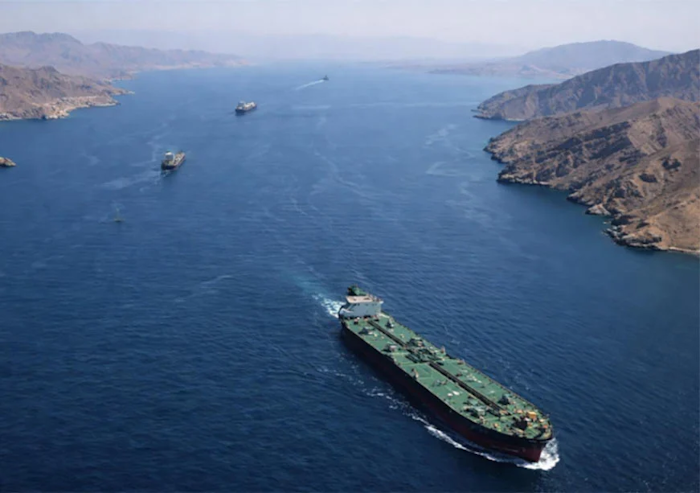
The Strait of Hormuz long functioned as an artery for the world’s maritime economy. But that 30-mile-wide waterway is now a monument to a new global disorder. As some 20,000 sailors effectively held hostage at sea digested President Trump’s cease-fire announcement this week—contingent on the complete opening of the strait—Iranian officials stressed they would determine which ships could leave and at what price.
The “Tehran toll booth” was taking effect, as the U.S. Navy watched on, an admission that, at least here and now in the world’s oil corridor, America no longer rules the waves.
Imagine that! The WSJ is so obsessed with money it publishes absolute rot.
Ferrari drivers among ‘brazen’ thieves stealing £1m of petrol a week
Fuel theft at forecourts has surged in the wake of price spikes caused by the US-Iran war and many of the perpetrators are driving expensive cars.
Data from about 500 UK filling stations found that the value of daily thefts had risen by 27 per cent since the conflict in Iran began in February and suggest that more than £1.2 million of fuel is being stolen every week.
Trump has handed JD Vance his most difficult mission yet
In the middle of an Easter lunch at the White House, President Donald Trump went off script to address speculation about JD Vance’s role in securing a deal to end the war in Iran.
“If it doesn’t happen, I’m blaming JD Vance,” Trump joked, drawing laughter at last week’s East Room event attended by senior administration officials including the vice-president, Secretary of State Marco Rubio, and Defence Secretary Pete Hegseth. And “if it does happen,” Trump added, “I’m taking full credit.”
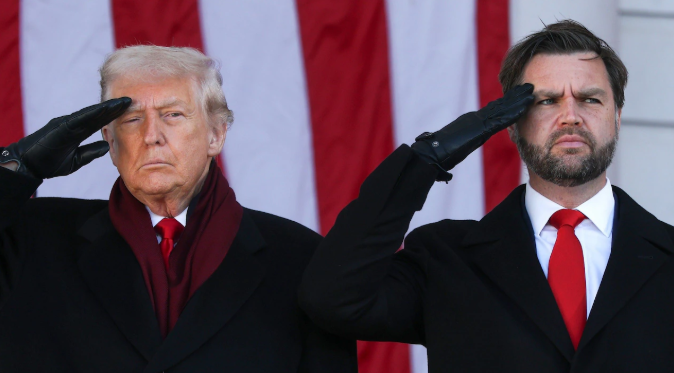
The remarks perfectly captured Vance’s predicament as he leads a US delegation holding talks with Iran in Pakistan. It is the most challenging assignment of Vance’s vice-presidency so far – one with a limited upside and plenty to lose if negotiations fail.
Is this America’s Suez Crisis? It could turn out to be worse
For more than five weeks, President Trump bombarded Iran with missiles and bombs — and the American public with contradictory messaging about the aims and duration of this conflict. On Tuesday, having previously threatened to destroy “a whole civilisation”, he agreed instead to a two-week ceasefire.
History provides a useful point of comparison here. Consider an interview given by Vice-President Vance to UnHerd on April 15, 2025. “Just going back through history, I think — frankly — the British and the French were certainly right in their disagreements with Eisenhower about the Suez Canal,” he said.
The West’s fifth column
At around 2 a.m. on the last day of Passover in Israel, weary Israelis once again hauled themselves from their beds into air-raid shelters and safe rooms as the sirens started to wail.
Iran had fired yet more barrages of missiles at Israel and the Gulf states. That was its reaction to the announcement that had just been made by U.S. President Donald Trump that Tehran had agreed to a two-week ceasefire. The regime’s response was immediately to break it.