Mediators move closer to extending US-Iran ceasefire, officials tell AP

Mediators move closer to extending US-Iran ceasefire, officials tell AP

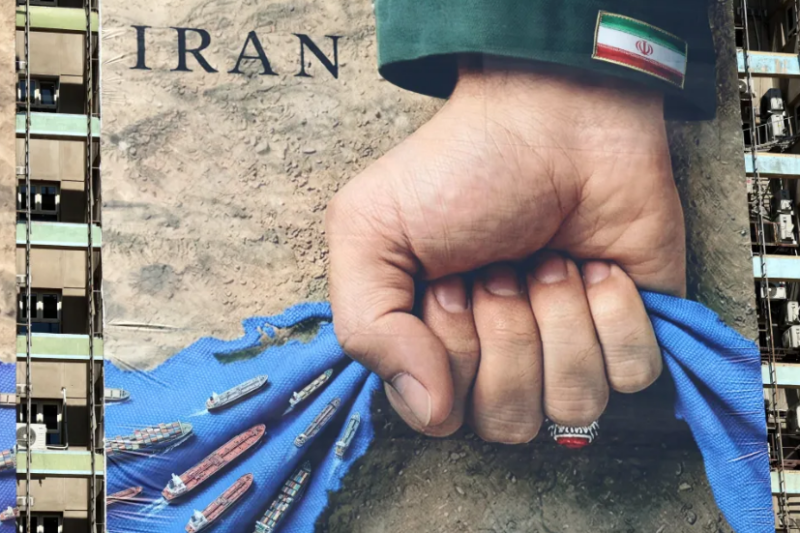
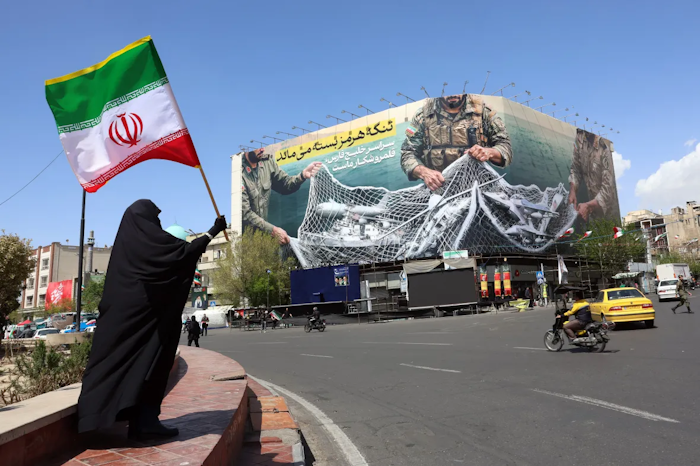
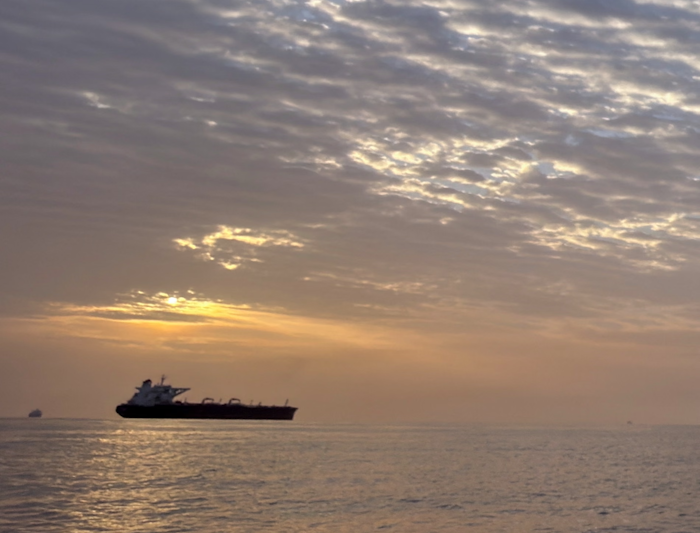
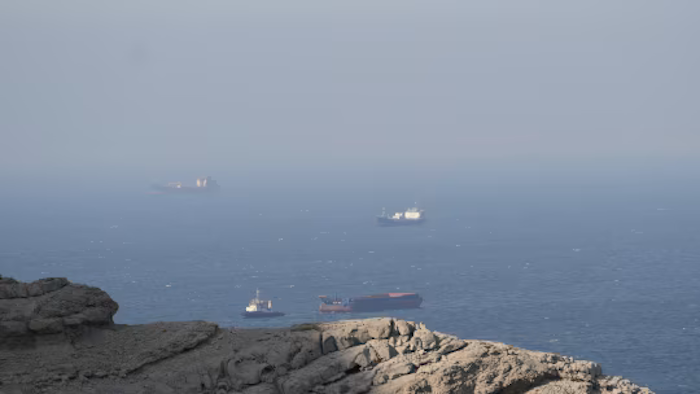
CAIRO (AP) — Mediators moved closer Wednesday to extending the ceasefire between the United States and Iran and restarting negotiations to salvage the fragile truce before it expires next week. A senior Iranian military official threatened to halt trade in the region if the U.S. does not lift its naval blockade, underscoring tensions that are overshadowing the diplomacy.

The U.S. blockade on Iranian ports and renewed Iranian threats have imperiled the week-old agreement, but regional officials said Wednesday they were making progress, telling The Associated Press that the United States and Iran had given an “in principle agreement” to extend it to allow for more diplomacy.

Share

The Persian Missile Crisis

The Persian Missile Crisis

Historical analogies are never exact, and some can be misleading. With the announcement by President Trump of a naval blockade or quarantine of the Strait of Hormuz, the specter of another Cuban Missile Crisis comes to mind. In October 1962, President John F. Kennedy ordered the U.S. Navy to institute a blockade of Cuba to prevent more offensive weapons from being supplied to the Castro regime in Cuba by the Soviet Union. Kennedy used a blockade instead of air strikes on missile installations in Cuba to give maximum flexibility for diplomacy to end the crisis. Kennedy’s blockade worked, a deal was struck, but it was, to quote the Duke of Wellington about Waterloo, a “close run thing.”

Share

China calls US Hormuz blockade ‘dangerous and irresponsible’

China calls US Hormuz blockade ‘dangerous and irresponsible’

America’s blockade in the Strait of Hormuz is “dangerous and irresponsible,” a spokesman from China’s Ministry of Foreign Affairs said on Tuesday.

The Chinese official argued that the U.S. blockade, which is only related to vessels going to or from Iranian ports, risks undermining “an already fragile ceasefire.”

“This will only aggravate confrontation, escalate tension, undermine the already fragile ceasefire, and further jeopardize safe passage through the Strait of Hormuz. It is a dangerous and irresponsible move,” Guo Jiakun said.

Share

Peace with Iran hinges on one side bowing to the other’s nuclear demands

Peace with Iran hinges on one side bowing to the other’s nuclear demands

President Donald Trump has maintained that increased U.S. pressure on Iran, including a blockade of its oil exports through the Strait of Hormuz, will eventually force the regime to give in to his demand that it will “never have a nuclear weapon.”

Calling Tehran’s refusal to make that promise the sticking point that led to failure at last weekend’s negotiations in Islamabad, Trump told reporters at the White House on Monday that he was confident he would prevail. “We agreed to a lot of things, but they didn’t agree to that,” he said of the nuclear pledge. “I think they will agree to it. I’m almost sure of it. In fact, I am sure of it.”

h/t Mauser

Share

Saudi Arabia Is Pressing U.S. to Drop Its Hormuz Blockade

Saudi Arabia Is Pressing U.S. to Drop Its Hormuz Blockade

Saudi Arabia is pressing the U.S. to drop its blockade of the Strait of Hormuz and return to the negotiating table, fearing President Trump’s move to close it off could lead Iran to escalate and disrupt other important shipping routes, Arab officials said.

The blockade is aimed at raising the pressure on Iran’s already crippled economy. But the officials said Saudi Arabia has warned Iran might retaliate by closing the Bab al-Mandeb—a Red Sea chokepoint crucial for the kingdom’s remaining oil exports.

The pushback is a sign of the risks and limitations of U.S. efforts to pry open the Strait of Hormuz, which Iran shut early in the war by attacking ships in the waterway, cutting off around 13 million barrels a day in oil exports and sending futures prices above $100 a barrel.


I was just getting used to Strait Of Hormuz and now this “Bab al-Mandeb”.

Share

Iran secures UN role with backing from UK, France, Canada, Australia as US stands alone

Iran secures UN role with backing from UK, France, Canada, Australia as US stands alone

Western democracies, including the UK, France, Canada and Australia, are facing backlash after allowing Iran and other authoritarian regimes to secure seats on influential United Nations (U.N.) bodies, with the United States standing alone in opposition.

The controversy stems from decisions by the United Nations Economic and Social Council (ECOSOC), a 54-member body that plays a central role in shaping U.N. policy and staffing key committees.

Critics warn the outcome could allow governments accused of human rights abuses to influence global policy and control which civil society groups are granted access to the United Nations.


Carney will do anything to push his Beijing agenda.

Share

The US blockade of Iran is a gamble. Will it work?

The US blockade of Iran is a gamble. Will it work?

There’s no doubt the US military has the capability to mount a blockade of vessels moving in and out of the Gulf. The question is: to what end?

“I do think it’s doable,” retired US Rear Admiral Mark Montgomery told the BBC this morning. “And it’s certainly less risky than the alternative, which would have been to forcibly push back the Iranians and create the conditions for a convoy.”

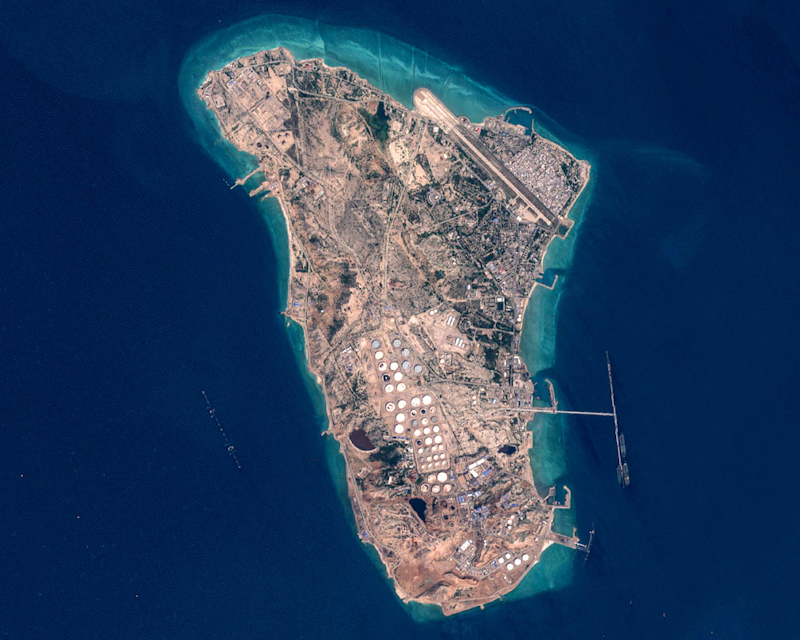
Some of the options floated by President Trump in recent weeks – the seizure of Kharg Island or militarily escorting convoys through the Strait of Hormuz – would have proved hazardous and potentially costly.


U.S. to Blockade Ships Entering or Exiting Iranian Ports

Share

Pope Leo’s attitude to the Iran war is shocking

Pope Leo’s attitude to the Iran war is shocking

If the purpose of trolling — the posting of offensive or inflammatory messages about an individual on social media — is to produce an overreaction, Donald Trump is a grandmaster of the genre.

He lashed out at Pope Leo XIV for opposing the Iran war. “I don’t want a Pope who thinks it’s OK for Iran to have a Nuclear Weapon,” he wrote on Truth Social. “Leo should get his act together as Pope, use Common Sense, stop catering to the Radical Left, and focus on being a Great Pope, not a Politician.”

Share

Can’t bomb your way out of a logistical bottleneck

Can’t bomb your way out of a logistical bottleneck

When officials from the United States and Iran walked away from negotiations in Pakistan this weekend with no deal on the Strait of Hormuz, markets didn’t wait for clarity. They reacted. The subsequent announcement by United States Central Command of a naval blockade targeting Iranian ports was meant to reassure. Instead, it raised more questions than answers.

Markets, as they often do, may be reading this correctly.

h/t handy n handsome

Share

Europe Refuses U.S. Hormuz Blockade, Exposing NATO Rift

Europe Refuses U.S. Hormuz Blockade, Exposing NATO Rift

Germany, Spain, Italy, Poland, and Greece have all ruled out sending naval forces to support the U.S. blockade of the Strait of Hormuz, exposing a growing rift inside NATO at the very moment global energy routes are under threat. Within hours of Washington’s request, European governments had distanced themselves from the operation and insisted that NATO has neither the mandate nor the interest to enter a war with Iran.

The refusal has triggered another dispute inside the Atlantic alliance. President Donald Trump has linked European participation in Hormuz to the future of NATO, warning that the United States cannot continue guaranteeing Europe’s security if Europeans refuse to support American operations abroad.

Share

Strait of Hormuz Blockade Sets Up Risky New Showdown

Strait of Hormuz Blockade Sets Up Risky New Showdown

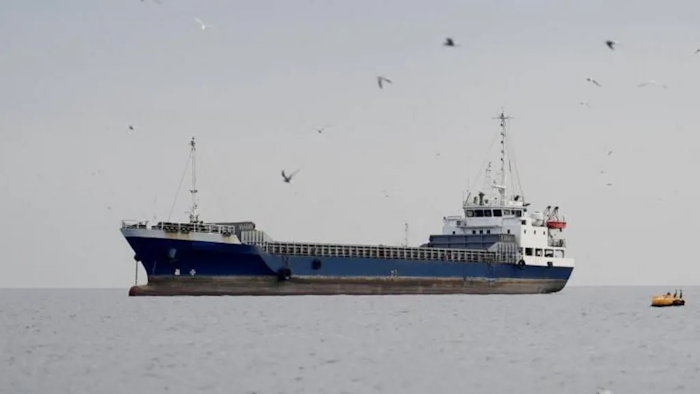
President Trump’s announcement that the U.S. military would blockade the Strait of Hormuz sets up a risky new showdown that could draw American forces into a prolonged struggle to control the strategic chokepoint while compounding the global economic damage caused by the conflict.

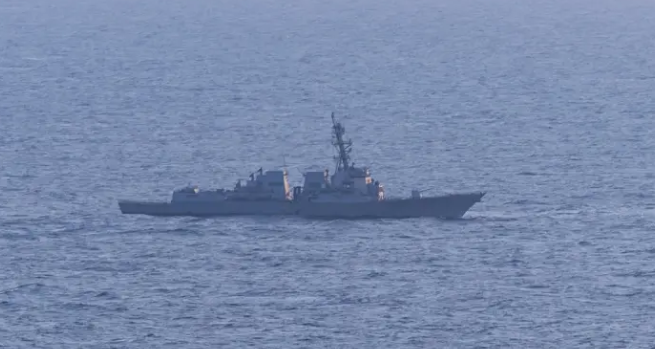
Hours after U.S. peace talks with Iran broke down in Pakistan, Trump said that the Navy would begin the blockade, “seek and interdict” vessels that had paid Iran to get through the strait, and then start clearing the waterway of sea mines. “He added that any Iranian forces that fired on U.S. troops or commercial shipping would be “BLOWN TO HELL.”


U.S. Forces Start Mine Clearance Mission in Strait of Hormuz

Share

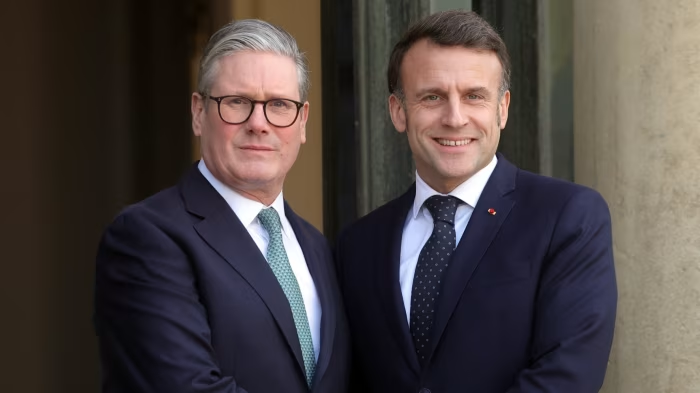
UK will not join Trump’s blockade of Iran’s ports in the Strait of Hormuz

UK will not join Trump’s blockade of Iran’s ports in the Strait of Hormuz

The UK will not be involved in enforcing the US military blockade of Iran, the BBC understands.

British naval ships and soldiers will not be used to block Iranian ports, while UK minesweepers and anti-drone capabilities will continue operating in the region.

A spokesperson for the UK government said: “We continue to support freedom of navigation and the opening of the Strait of Hormuz, which is urgently needed to support the global economy and the cost of living back home.”

Share

What will happen to Iran now?

What will happen to Iran now?

What now after the collapse in peace talks between America and Iran in Pakistan? The gap between the two sides on the two critical issues – Iran’s nuclear programme and the Strait of Hormuz – proved too big in the end. Is it back to war? What does the failure to reach a deal mean for the fragile, two-week ceasefire the two sides agreed? Whose fault is it that the discussions, which lasted for a marathon 21 hours, broke down? So far, there is little in the way of concrete facts about what exactly happened in Islamabad but the blame game is already under way.

Share