Fact-checking Russian claims about Bucha killings

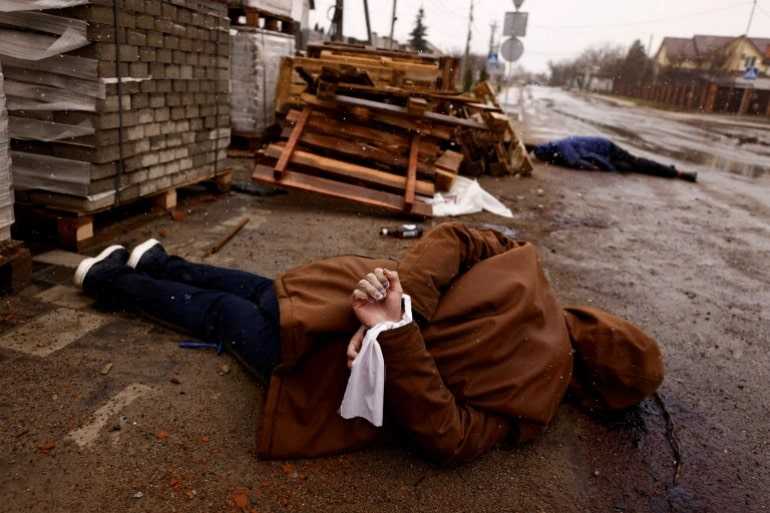
After Russian troops withdrew from the town on the outskirts of Kyiv, images of bodies lying in the streets subsequently emerged and members of media organisations also saw corpses.

Ukraine accused Russia of a “deliberate massacre” but Russia called it “a staged provocation by the Kiev regime”. It made a series of unfounded claims about the footage from Bucha.

After the Russian withdrawal, footage taken from a car as it drove through the town showed bodies on either side of the road.

Pro-Russian social media accounts then circulated a slowed-down version of the video, claiming that the arm on one of the bodies moved.


Russia’s Bucha “Facts” Versus the Evidence

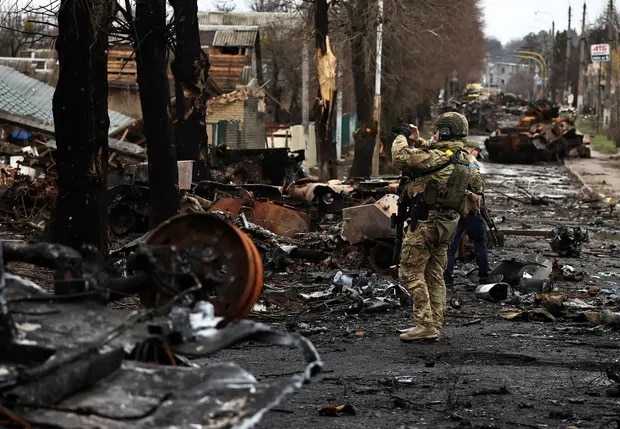
Recent images from the town of Bucha just outside Kyiv, captured as Ukrainian forces regained ground following the retreat of Russian forces, show widespread destruction and corpses in civilians clothes strewn across streets.

These images have been shared on social media and broadcast by members of the international press who have visited the town in recent days.

Initial reports from human rights organisations on the actions of Russian forces have detailed violence targeting civilians. Interviews with local residents, meanwhile, have accused Russian troops of carrying out summary executions of unarmed men over suspicions they had fought for Ukrainian armed forces in the Donbas in 2014, or even “simply for having a tattoo of Ukraine’s national emblem”.

Share

‘Can’t sit back and watch’: Former Canadian soldier joins fight in Ukraine

Boxes filled with JT’s personal belongings littered the floor of his home in the west Ottawa suburb of Kanata as he readied to leave in mid-March.

Outside, a “For Rent” sign stands tall with the retired soldier telling his roommate to find a new place, unsure when, or if, the two will meet again.

The 50-year-old Ottawa resident — whom CBC News has agreed to not name due to safety concerns — is now in Ukraine as Russian forces continue their invasion of the sovereign nation.

Share

Why Putin faces “more NATO” in the Arctic after Ukraine invasion

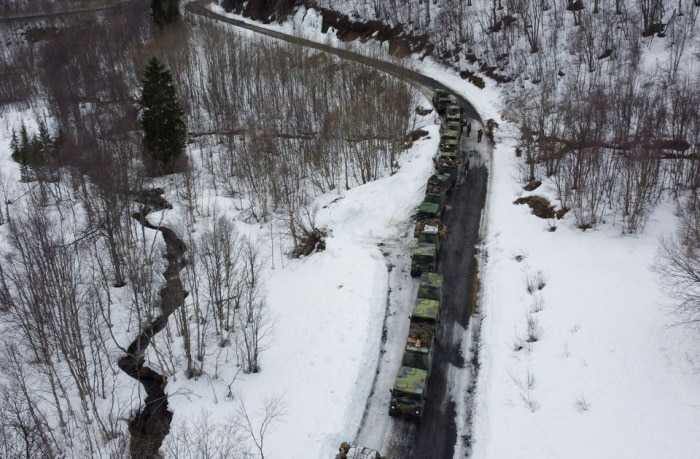
BARDUFOSS, Norway, April 4 (Reuters) – The sound of gunfire echoed around the Norwegian fjords as a row of Swedish and Finnish soldiers, positioned prone behind banks of snow, trained rifles and missile launchers on nearby hills ready for an enemy attack.

The drill, in March, was the first time forces from Finland and Sweden have formed a combined brigade in a scheduled NATO exercise in Arctic Norway known as “Cold Response.” Neither country is a member of the NATO alliance. The exercise was long planned, but Russia’s invasion of Ukraine on Feb. 24 added intensity to the war game.

Share

China Undercuts Sanctions on Russia: Where Are the ‘Consequences’?

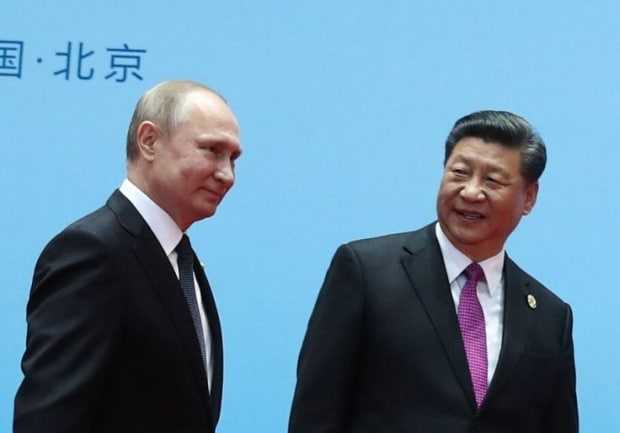
Despite tough Western sanctions on Russia, President Vladimir Putin’s war on Ukraine has now lasted for more than a month and Putin is showing no signs of backing down. The power helping him to withstand the effects of the sanctions and continue the war is Russia’s most powerful ally — China.

Shortly before Russia’s invasion of Ukraine on February 24, Russia and China entered into contracts worth hundreds of billions of dollars. On February 4, Putin announced new Russian oil and gas deals with China worth an estimated $117.5 billion. On February 18, six days before the invasion, Russia announced a $20 billion deal to sell 100 million tons of coal to China. On the day of the invasion, China, lifting restrictions that had been in place previously due to concerns about plant diseases, agreed to buy Russian wheat.

Share

German government warns Russian speakers of Kremlin disinformation

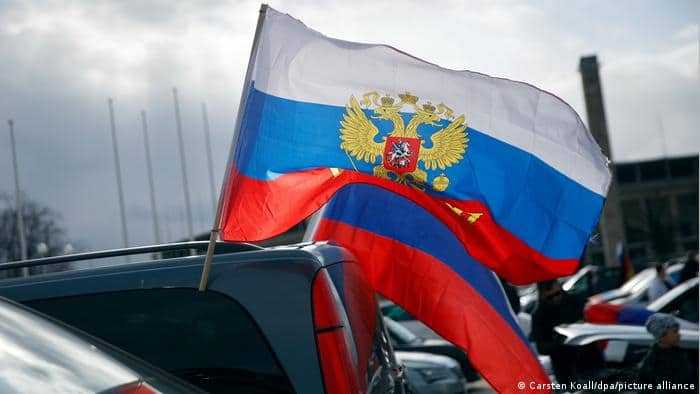
The federal government has warned German residents with roots in Russia not to fall for propaganda, as the Kremlin disinformation machine kicks into overdrive amidst the ongoing war in Ukraine.

Deputy spokesman Wolfgang Büchner said that Chancellor Olaf Scholz’s government “implores Russian-speaking people in Germany to inform themselves comprehensively with national and international media,” to avoid falling prey to false narratives about what is happening in Ukraine.

Across social media and on Russian national outlets, Kremlin claims, such as that the killing of civilians in Mariupol and Bucha had been staged, have become widespread.

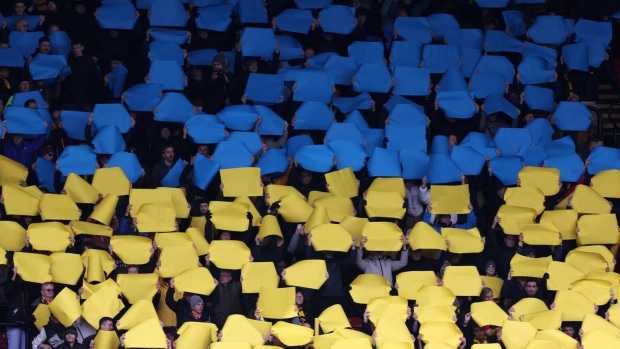
That’s a pretty impressive turn-out.

Share

Conscripts sent to fight by pro-Russia Donbas get little training, old rifles, poor supplies

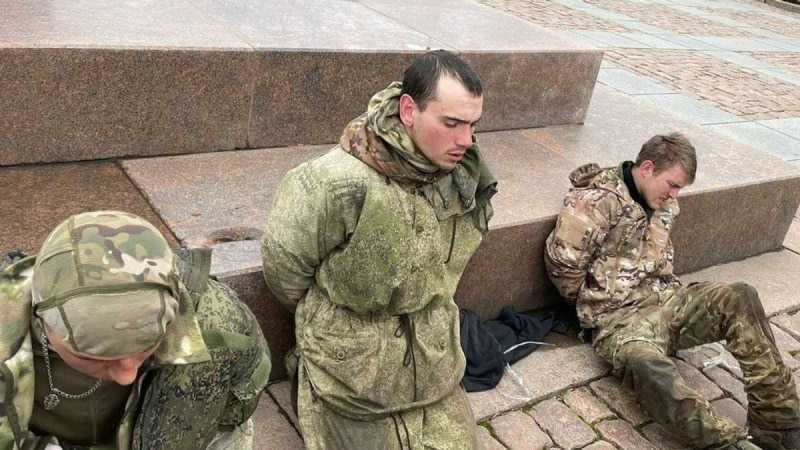
LONDON, April 4 (Reuters) – Military conscripts in the Russian-backed Donbas region have been sent into front-line combat against Ukrainian troops with no training, little food and water, and inadequate weapons, six people in the separatist province told Reuters.

The new accounts of untrained and ill-equipped conscripts being deployed are a fresh indication of how stretched the military resources at the Kremlin’s disposal are, over a month into a war that has seen Moscow’s forces hobbled by logistical problems and held up by fierce Ukrainian resistance.

One of the people, a student conscripted in late February, said a fellow fighter told him to prepare to repel a close-quarter attack by Ukrainian forces in southwest Donbas but “I don’t even know how to fire an automatic weapon.”

Share

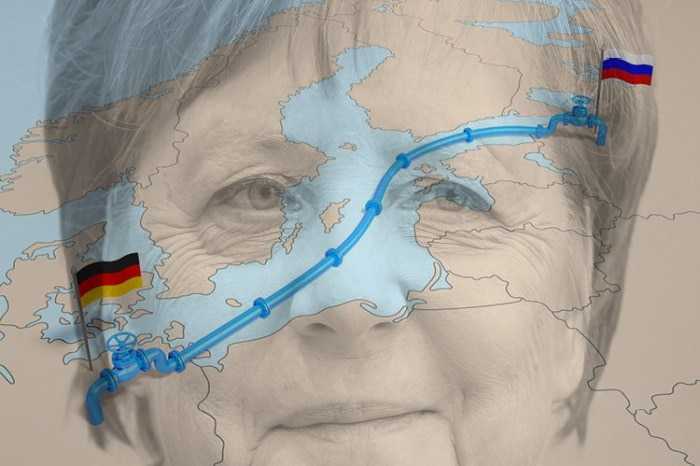
Zelenskyy calls out Angela Merkel, Nicolas Sarkozy for blocking Ukraine’s NATO bid, invites them to visit Bucha

Ukrainian President Volodymyr Zelenskyy has taken aim at Western leaders who he says enabled Russia’s war crimes in Ukraine, including former German Chancellor Angela Merkel and ex-French President Nicolas Sarkozy.

In an address delivered Sunday night as reports emerged of war crimes committed by Russian forces in Bucha, a city in Ukraine’s Kyiv region, Zelenskyy said: “I invite Mrs. Merkel and Mr. Sarkozy to visit Bucha, to see what the policy of 14 years of concessions to Russia has led to,” adding that he wants the them “to see with their own eyes the tortured Ukrainian men and women.”

Share

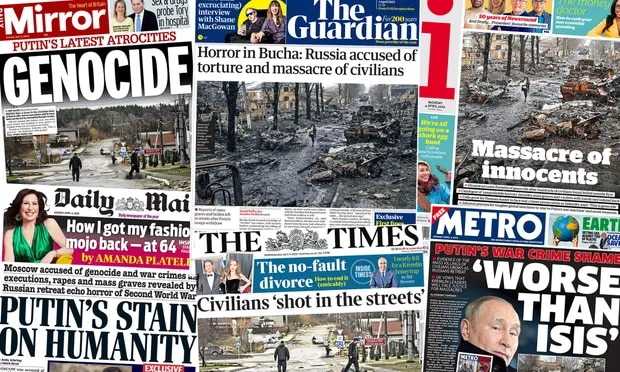
‘Massacre of innocents’: how the papers covered Russia’s atrocities in Bucha

Revulsion at the atrocities committed by Russian forces in the Ukrainian town of Bucha dominates today’s front pages, as politicians lined up around the world to condemn the massacre of hundreds of civilians.


Ukraine war: Ukraine investigates alleged execution of civilians by Russians

Ukraine has started a war crimes investigation after bodies of civilians were found strewn on the streets as Russian troops pulled out of areas around the capital Kyiv.

Bucha and Irpin were symbols of resistance to the Russian invasion, but they are now becoming synonymous with the war’s most serious abuses.

Ukrainian authorities say the bodies of 410 civilians have been found in the areas around Kyiv so far.

Russia, without evidence, says the photos and videos are “a staged performance” by Ukraine.


Satellite images show long trench at Ukrainian mass grave site, Maxar says

Share

Putin’s invasion scrambles the West

How has the Ukraine crisis affected political life in the West? Deeply but contradictorily. Vladimir Putin’s invasion wakened sleeping populations to eternal power realities, exacerbated leftist de-platforming, and bizarrely enhanced his appeal on the Right.

Power realities: A century-long peace following the Napoleonic wars left Europeans mentally unprepared for the carnage of World War I; similarly, the 77-year peace after World War II bred a faulty European assumption that trade and diplomacy could solve the continent’s problems. Military strength was seen as anachronistic as slavery. Slogans such as “There is no military solution” and “War never solved anything” prevailed.

Meanwhile, the non-West remains focused on the timeless verities of military might. 

Share

The Biden Administration’s lies, errors, and miscalculations over Russia will probably hurt the American people more than Putin.

Trading Realpolitik for a Puppet Show

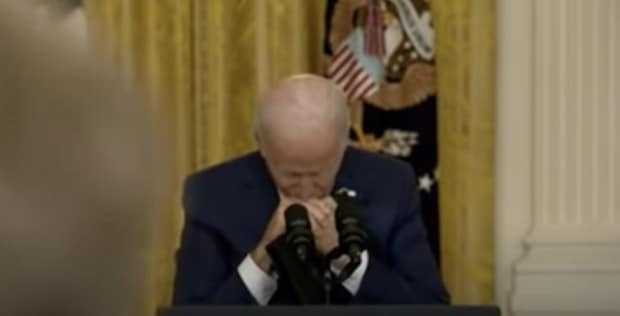
Aweek, as the British Prime Minister Harold Wilson is supposed to have said, is a long time in politics. Poor Joe Biden would doubtless agree, assuming that he remembers what a week, what a long time, and what politics are. It was just about a week ago, on March 26, that he said, “As a result of our unprecedented sanctions, the ruble was almost immediately reduced to rubble.”

I wonder who thought of that play on words? The ruble is rubble. Ha, ha, ha.

Share

How Putin Misunderstood Rumsfeld

Apart from its political impact on the international order, the war that Russia has launched against Ukraine contains countless features that should interest military analysts and planners across the globe.

This is the first time since World War II that the Russian Army (formerly Soviet Red Army) is tested on the battlefield against a medium-sized adversary in a classical war.

In the 1950s, the Red Army fought border wars with Communist China and managed to annex large chunks of territory across the border. But that was not a full-scale war, as a much weaker China, then also devoid of nuclear weapons, shied away from fighting back in a meaningful way.

Share

Where would we be without Islamic scholars?

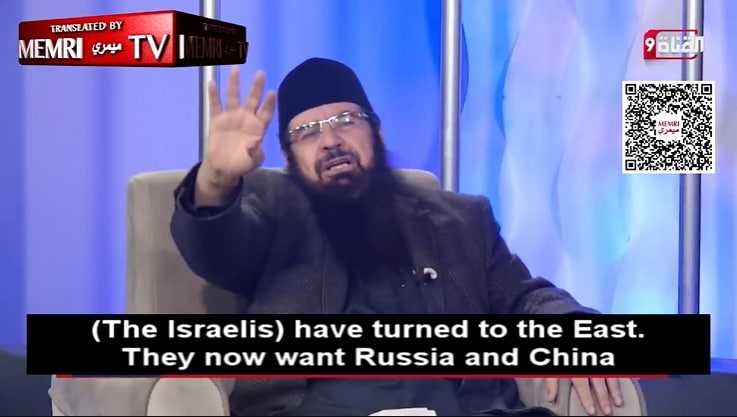
Islamic Scholar: Israel Instigated The War In Order To Empty Out Ukraine And Move In

Palestinian Islamic scholar Mraweh Nassar, the Secretary-General of the Jerusalem Committee of the International Union of Muslims Scholars, said in a March 22, 2022 interview on the Muslim Brotherhood-affiliated Arabic-language Channel 9 (Turkey) that the war in Ukraine was instigated by the Jews in order to establish a Jewish state there to replace Israel. He explained that the Jews have been forsaken by America and the West, who have come to realize that the Zionist project is a failure that will come to an end within two years. He elaborated that the Israelis have thus realigned with Russia and China.

Glad that’s cleared up.

Share

Friendly fire blunders, confusion, low morale: why Russia’s army has stalled

Uniforms are one of the most deceptive trappings of military culture. They suggest uniformity but it is often said of the British army that if two officers look the same, one must be improperly dressed. Armies, and especially professional armies, are more often warring tribes of subcultures, and for commanders it is critical to understand how those cultures interact if the force is to be employed effectively in battle.

When it comes to Russian military culture, the Russian army has been through a period of significant change, with constant modernisation since 2008. The Soviet Union fielded an army of more than 3.5 million soldiers in 1991. The Soviet army was largely a conscript force and lacked an experienced noncommissioned officer corps. This meant that Soviet units had to be treated with a degree of uniformity, since the personnel rotated so frequently that most line units were necessarily commanded using set formulas that formed the basis for unit training.

Share

Two Russian soldiers have died & 28 are in hospital after being poisoned by pastries offered them by civilians near besieged Kharkiv

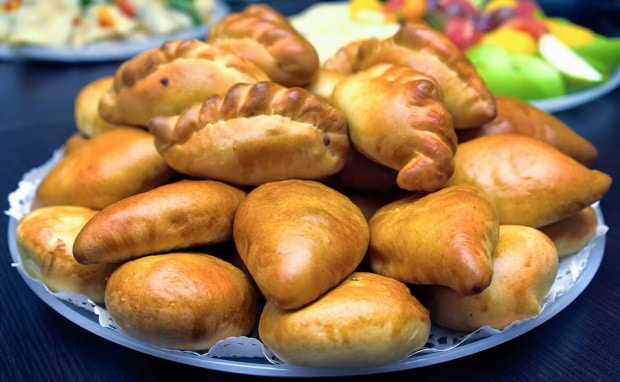
Two Russian soldiers have died and 28 are in hospital after being POISONED by pastry delicacies offered to them by civilians near besieged Kharkiv, according to the Ukraine Ministry of Defence

Russian troops near Kharkiv died after eating poisoned stuffed buns given to them as ‘gifts’ by Ukrainian citizens, a Ukrainian intelligence agency has claimed.

Two soldiers from the 3rd Motor Rifle Division died immediately after eating the delicacies served by the citizens of Izium, a Facebook post by the Main Intelligence Directorate of Ukraine announced on Saturday.

Another 28 Russian troops are in intensive care after the poisoning with several hundred others also suffering from ‘severe illnesses’ after drinking poisoned alcohol given to them by civilians.

Share

‘They were all shot’: Russia accused of war crimes as Bucha reveals horror of invasion

The retreat of Russian forces around Kyiv has left horrifying evidence of atrocities against civilians littered across the region’s suburbs and towns, turned into hellish war zones by Vladimir Putin’s invasion.

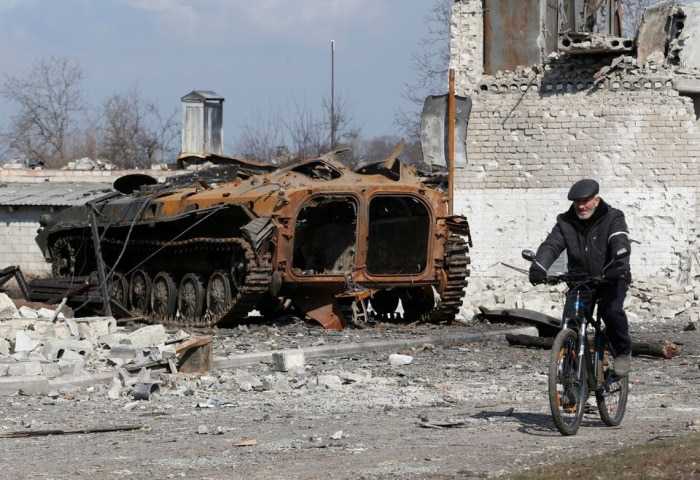
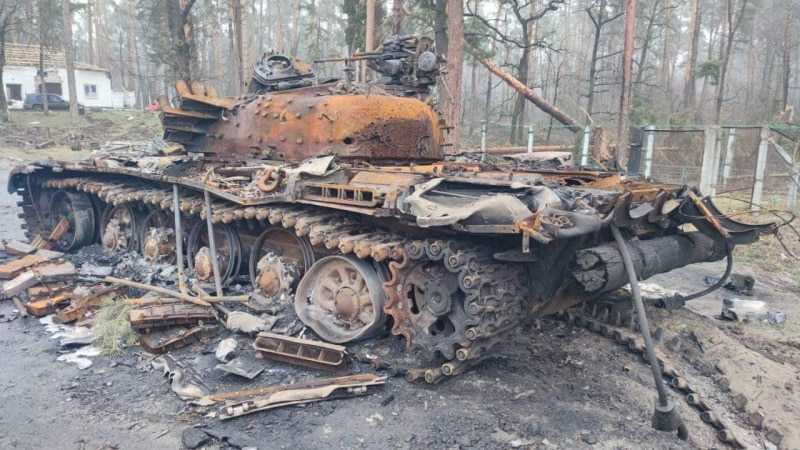
As Ukrainian armoured columns rolled into Bucha, a town north-west of the capital, they found streets blocked by burned-out Russian tanks and military vehicles, and strewn with the bodies of civilians whom locals said had been killed by the invading forces without provocation.

Photographs from the town showed a scene of devastation, with hunks of charred and destroyed tanks and armoured vehicles lined up along one street, along with dead bodies.

Share