Babushka Z: The woman who became a Russian propaganda icon

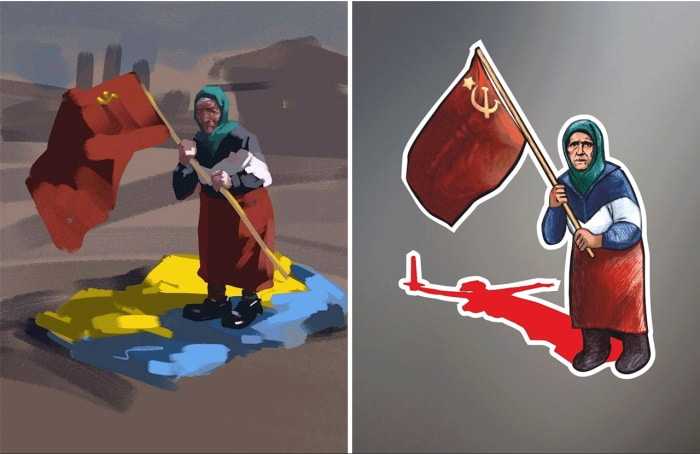
An elderly Ukrainian woman brandishing a red Soviet flag has become the unlikely face of Kremlin propaganda after a video of her encounter with Ukrainian soldiers went viral. The BBC tracked down “Babushka Z” to try to establish the truth behind the incident.

“I don’t think they should glorify me. I am just a peasant woman. I don’t understand why I’ve become a celebrity.”

The woman who has become known as Babushka Z – “grandmother” in Russian, the Z referring to the symbol often painted on armoured vehicles – is gobsmacked when the BBC shows her photos of her newfound fame. “I’ve never seen any of it,” she says.

Share

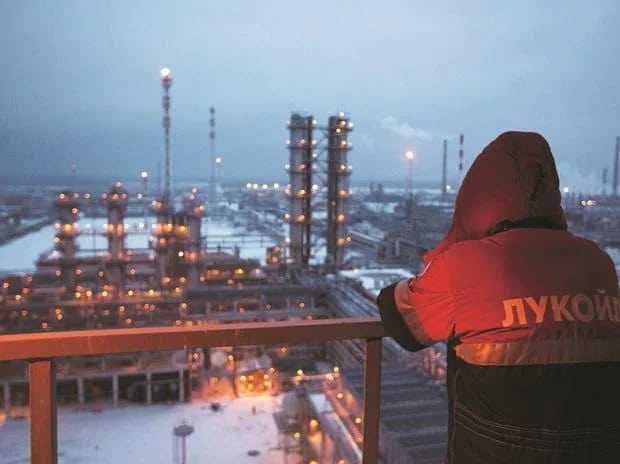
U.S. continues to receive Russian oil via third parties, report says

Tankers laden with Russian oil are arriving at U.S. ports thanks to a loophole, industry observers say.

A “significant” share of Russian crude oil is being re-exported through refineries in India to the U.S. and Europe, according to the report from Helsinki-based think tank Centre for Research on Energy and Clean Air.

Since Russia’s invasion in late February, global oil prices have soared, giving refiners in India and other countries an added incentive to tap oil. Moscow is offering them at steep discounts of $30 to $35 a barrel, compared with Brent crude and other international oil now trading at about $120 per barrel.

Share

US fighters ‘captured’ by Russian forces in Ukraine

Two former US servicemen have been captured during fighting with Russian forces in Ukraine, The Telegraph has been told.

The pair were taken prisoner during a fierce battle outside the north-east city of Kharkiv last week, according to comrades who were fighting alongside them.

Alexander Drueke, 39, and Andy Huynh, 27, had been serving as volunteers with a regular Ukrainian army unit. They are believed to be the first US servicemen to end up as Russian prisoners of war.

Share

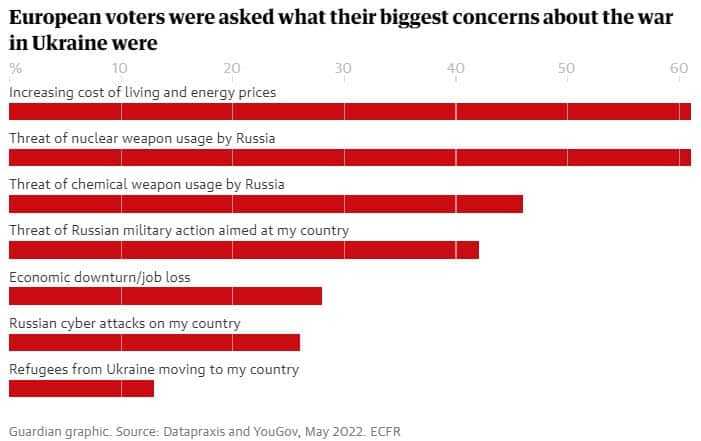
‘Justice’ for Ukraine overshadowed by cost of living concerns, polling shows

Europe’s unity over the war in Ukraine is at risk as public attention increasingly shifts from the battlefield to cost of living concerns, polling across 10 European countries suggests, with the divide deepening between voters who want a swift end to the conflict and those who want Russia punished.

The survey in nine EU member states – Finland, France, Germany, Italy, Poland, Portugal, Romania, Spain and Sweden – plus the UK found support for Ukraine remained high, but that preoccupations have shifted to the conflict’s wider impacts.

“Europeans had surprised Putin – and themselves – by their unity so far, but the big stresses are coming now,” said Mark Leonard, a co-author of a report by the European Council on Foreign Relations (ECFR) on changing attitudes to Russia’s invasion.


Ukraine fights for Sievierodonetsk as Russia’s ‘surrender’ ultimatum passes

Ukraine ignored a Russian ultimatum to surrender the eastern city of Sievierodonetsk on Wednesday as NATO defence ministers gathered in Brussels to discuss sending more heavy weapons to replenish Kyiv’s dwindling stocks.

Russia had told Ukrainian forces holed up in a chemical plant in the shattered city to stop “senseless resistance and lay down arms” from Wednesday morning, pressing its advantage in the battle for control of eastern Ukraine.

Share

‘No regrets’: A Canadian volunteer wounded in Ukraine is coming home

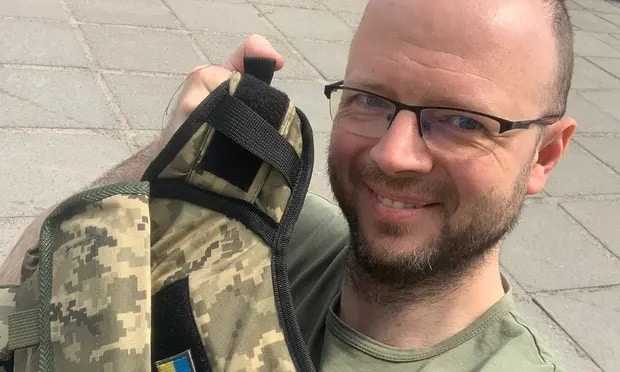
Maybe it’s luck, or some kind of divine providence. According to the capricious nature of life in a war zone, JT should not be alive.

Yet there he is — a Canadian military volunteer in Ukraine who beat the odds.

The former military combat engineer fought through the bloodied grape fields of Kandahar during Canada’s war in Afghanistan. He first came within a whisker of death in 2006, when he and his fellow soldiers were strafed accidentally by an American A-10 ground attack jet.

Share

‘I could not be part of this crime’: the Russians fighting for Ukraine

Walking around Kyiv in his new Ukrainian military attire, Igor Volobuyev felt as if he finally fulfilled his purpose.

For weeks after leaving Russia for Ukraine, the former vice-president of Gazprombank spent his days trying to convince officials to provide him with Ukrainian documents and allow him to sign up for military service to fight against a country where he had spent most of his adult life.

“The moment war broke out, I knew right away I wanted to go and defend Ukraine,” Volobuyev said in an interview in the Ukrainian capital.

Share

Ukraine: Time for the West to make up its mind

The indecision of its allies could doom the country to a long war of attrition that’s to Russia’s advantage.

Asked recently why international powers that lined up on the side of the White Army in Russia’s barbaric civil war failed to affect the outcome, military historian Antony Beevor noted the West “couldn’t make up their minds” — the international backers of the Bolsheviks’ opponents were divided and hesitant.

Another key factor in the defeat of the Cossacks and the White Armies in the south of Russia was the difficulty in resupplying them. “The Reds had a huge advantage with internal lines [of supply],” Beevor told the BBC’s History magazine.

That’s what saved the Bolsheviks in late 1919 — to the frustration of Britain’s then Secretary of State for War Winston Churchill. “I can’t believe this. The Reds were in full retreat, and now suddenly they seem to be beating the Whites on every front. What’s happened?” an exasperated Churchill noted in a memo.

Share

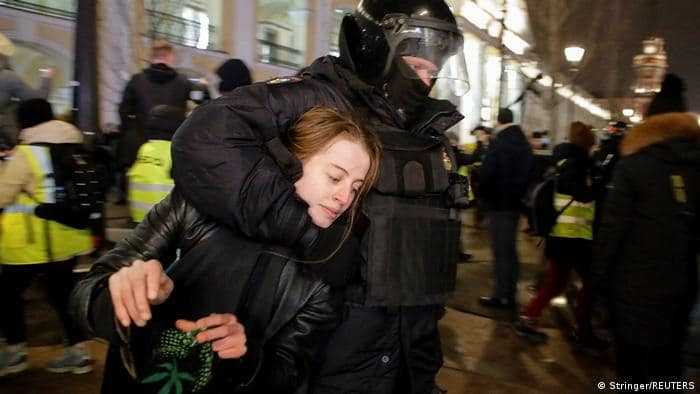
Anti-war stance in Russia leads to denunciations and arrests

In Russia, critics of the war in Ukraine are increasingly being reported to the police. DW spoke with Russians who have been betrayed by their own relatives, friends, colleagues and neighbors.

In the wake of Russia’s February 24 invasion of neighboring Ukraine, some citizens have taken a stance against what they call an unjust war of aggression. As a result, they have suffered the consequences in a society where state propaganda is ubiquitous, the use of the term “war” is forbidden, and those who dare to speak out against the Kremlin’s “special operation” face long jail terms. DW spoke to three individuals about their personal run-ins with authorities after being denounced by family, neighbors and colleagues.

‘At the moment, a lot of people are going crazy’

Share

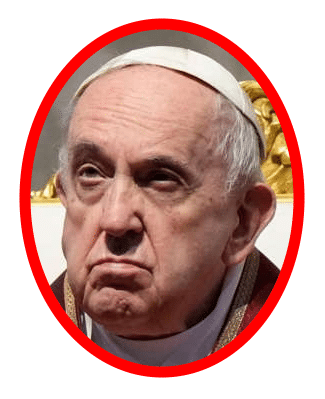
Pope Francis criticizes Russia over cruelty in Ukraine but says war perhaps provoked

ROME – Pope Francis has taken a new series of swipes at Russia for its actions in Ukraine, saying its troops were brutal, cruel and ferocious, while praising “brave” Ukrainians for fighting for survival.

But in the text of a conversation he had last month with editors of Jesuit media and published on Tuesday, he also said the situation was not black and white and that the war was “perhaps in some way provoked.”

Share

Ukraine war: Russia earns $97bn on energy exports since invasion

Russia earned nearly $100bn (£82.3bn) from oil and gas exports during the first 100 days of the war in Ukraine, according to a report.

Revenues have been falling since March, as many countries shunned Russian supplies, but remain high, the independent Centre For Research on Energy and Clean Air (CREA) found.

It also warned of potential loopholes in efforts to curb imports from Russia.

The EU, US and UK are among those to have pledged to cut Russian imports.

Share

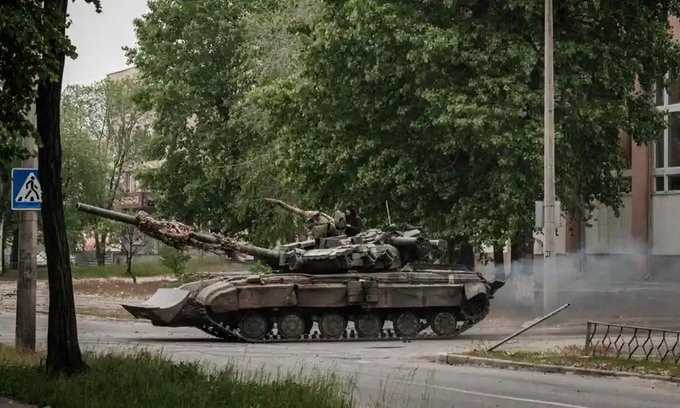
Severodonetsk will decide Ukraine’s future

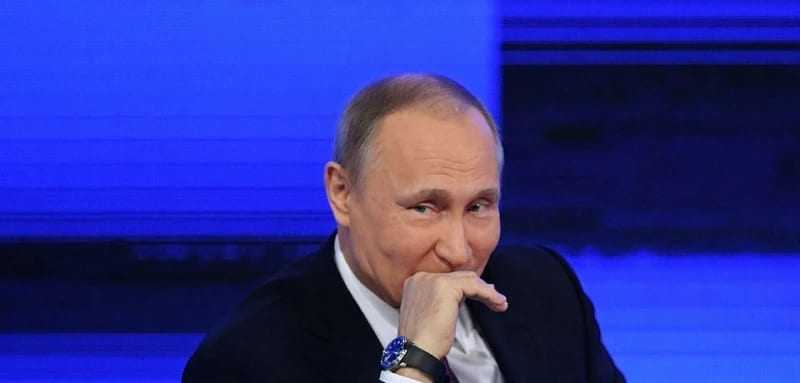
Putin has pivoted to a war of attrition

More than 100 days on, the fate of Russia’s campaign to capture the entirety of the Luhansk region still hangs in the balance. If the whole Luhansk region falls, the rest of Ukraine’s east may very likely follow. Both the Russian and Ukrainian forces have committed their forces here for strategic reasons — the territory is critical for a continued Russian advance in the direction of cities such as Dnipro. President Zelenskyy understands this, which is why he made an unannounced visit to Lysychansk at the weekend.

Share

Man is blown up yards from mine-filled Odesa beach

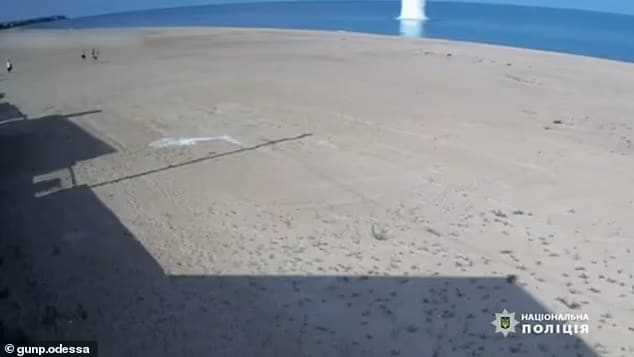
A man swimming in the sea off an Odesa beach in Ukraine has been blown up in front of his family by an apparent mine.

Footage shared by Odesa Region Police shows the sudden blast yards from the shore, scattering the 50-year-old’s body parts across the beach as his distressed wife, son and friend watched on.

Share

UK ramps up gas and oil exports to EU amid Russia’s war in Ukraine

The UK has drastically increased the volume of natural gas being pumped to the EU amid Russia’s war in Ukraine, powering a record monthly rise in goods exports to the continent despite Brexit.
Figures from the Office for National Statistics show EU goods exports rose for the third consecutive month to £16.4bn in April, the highest monthly level in current prices since comparable records began in 1997.

In Canada … Oil prices are rising, but Canada is getting comparatively less for every barrel — here’s why

Share

Ukraine war: Evidence shows widespread use of cluster munitions in Kharkiv

Russia has killed hundreds of civilians in the north-eastern Ukrainian city of Kharkiv using indiscriminate shelling and widely-banned cluster munitions, according to new research by Amnesty International.

Amnesty said it had found evidence of Russian forces repeatedly using 9N210/9N235 cluster bombs, as well as “scatterable” munitions – rockets that eject smaller mines that explode later at timed intervals.

Share

Ukraine fears western support will fade as media loses interest in the war

Ukraine’s war with Russia is heading towards its fifth month amid increasing local concern that dwindling media attention could lead to a gradual loss of western support just as Moscow is making slow but steady gains on the frontline.

The anxiety reflects a growing normalisation of the conflict in which large parts of the country feel distant from the war in eastern Donbas – as it becomes clear that casualties are mounting and economic costs soaring. “It’s a very real threat, that people get tired psychologically,” said Lesia Vasylenko, an opposition MP with the liberal Holos party.

International media coverage has dropped markedly in the past two months, she added, and “as that number goes down further, there’s a very high risk of the support from the west going down”.

Share