The EU is no friend of Ukraine

The pledge to make Ukraine an EU member is nothing more than a virtue-signal.

It’s been quite the performance from the European Union. Just over a week ago, the leaders of the EU’s dominant nations – Germany, France and Italy – enjoyed a day out in Kyiv, posing alongside Ukrainian president Volodymyr Zelensky and pledging to support his nation’s quest to join what German chancellor Olaf Scholz called ‘the European family’. This little Ukrainian jaunt, it turned out, was a mere prelude for the EU’s big announcement on Thursday evening. That was when the 27-nation bloc announced that it had finally decided to accept Ukraine’s most recent application for EU membership, made at the start of the war, and grant it ‘candidate’ status. European Commission president Ursula von der Leyen, dressed in the Ukrainian colours, called Ukraine’s candidature ‘a good day for Europe’. Moldova has also been granted candidate status, but that now seems like a mere afterthought.

Share

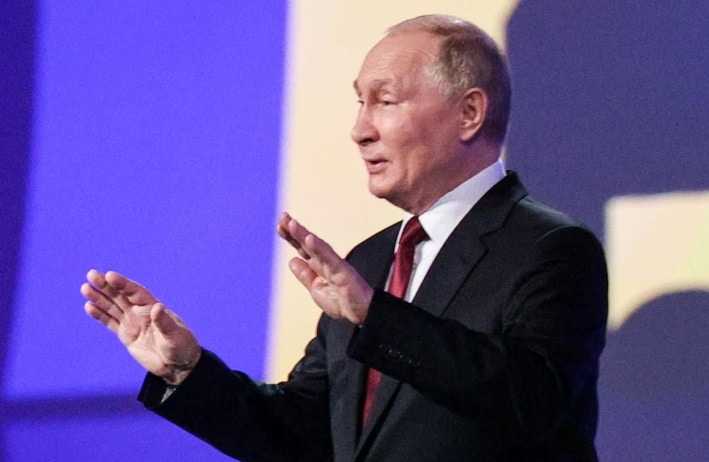
Putin: From Frank Sinatra to Leonid Brezhnev

As the war in Ukraine drags on, many commentators wonder where and when Russian President Vladimir Putin might decide to call an end to his current aggressive behavior. Digging into Russian history, some may assert that even if he does stop, it would be a tactical move of the kind that Lenin described as “one step back, two steps forward.”

Putin’s behavior has its roots in the Russian psyche.

From early days of appearing as a distinct people, Russians have always feared that they may become like others while, lacking in natural defenses, their vast territory was vulnerable to foreign invasion.

Share

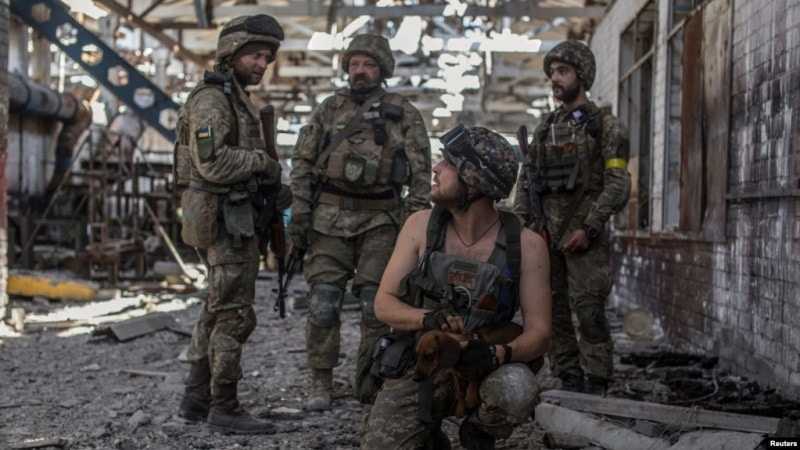
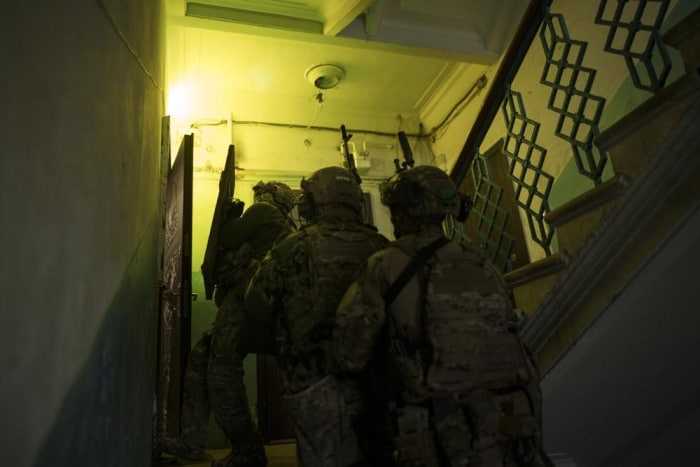
Commando Network Coordinates Flow of Weapons in Ukraine, Officials Say

A secretive operation involving U.S. Special Operations forces hints at the scale of the effort to assist Ukraine’s still outgunned military.

WASHINGTON — As Russian troops press ahead with a grinding campaign to seize eastern Ukraine, the nation’s ability to resist the onslaught depends more than ever on help from the United States and its allies — including a stealthy network of commandos and spies rushing to provide weapons, intelligence and training, according to U.S. and European officials.

Much of this work happens outside Ukraine, at bases in Germany, France and Britain, for example. But even as the Biden administration has declared it will not deploy American troops to Ukraine, some C.I.A. personnel have continued to operate in the country secretly, mostly in the capital, Kyiv, directing much of the vast amounts of intelligence the United States is sharing with Ukrainian forces, according to current and former officials.


Canadian special forces operating in Ukraine, New York Times reports

Canadian special forces are in Ukraine as part of a NATO network to provide weapons, training and gather intelligence about the Russians, the New York Times is reporting.

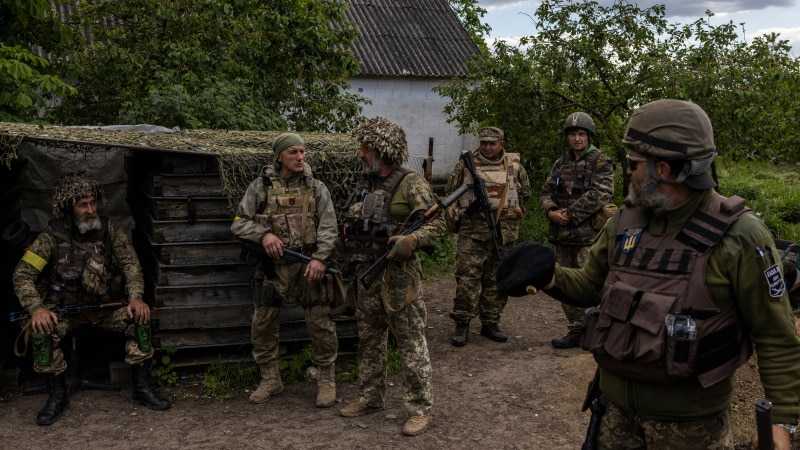
Neither the Department of National Defence nor the office of Defence Minister Anita Anand would comment on the report published Saturday that noted a few dozen commandos from NATO countries, including Britain, France, Canada and Lithuania, had been working inside Ukraine. The United States withdrew its own 150 military instructors before the war began in February.

Share

Europe Must Declare a War Economy

As Russia turns off the gas and Germany activates emergency plans, Europeans must become ants to avoid ending up grasshoppers.

The next step in the conflict between the West and Russian President Vladimir Putin was supposed to be a European boycott on Russian coal, oil and natural gas. It may instead be a gas embargo by Putin on Europe. It comes to much the same.

The countries of the European Union must accept what some of them — notably Germany and Austria — spent years denying. It’s that in the eyes of an amoral despot such as Putin, everything is a weapon of war. That includes nuclear and chemical arms, but also wheat, disinformation and, not least, energy.

For decades, Putin has done his best to make European countries as dependent as possible on Siberian hydrocarbons to create vulnerabilities in the West. Now he’s exploiting those weaknesses.

The so-called “Smartest people in the room” told us that free trade with tyrannies such as Russia and China would mitigate their totalitarian nastiness. It was all bullshit motivated by greed. Now the same slime insist mass immigration is the way to lift everyone’s boat. They’re lying again.

Share

The Causes and Consequences of the Ukraine Crisis

The war in Ukraine is a multi-dimensional disaster, which is likely to get much worse in the foreseeable future. When a war is successful, little attention is paid to its causes, but when the outcome is disastrous, understanding how it happened becomes paramount. People want to know: how did we get into this terrible situation?

I have witnessed this phenomenon twice in my lifetime—first with the Vietnam war and second with the Iraq war. In both cases, Americans wanted to know how their country could have miscalculated so badly. Given that the United States and its NATO allies played a crucial role in the events that led to the Ukraine war—and are now playing a central role in the conduct of that war—it is appropriate to evaluate the West’s responsibility for this calamity.

Share

Mistakes were made: Why Germany may freeze in the dark this winter

If the West can use sanctions and embargoes as weapons of war against Vladimir Putin’s Russia, so can Russia – in retaliation. And that is precisely what is happening.

In recent weeks, Russia, the main supplier of Europe’s imported natural gas, has been making it more difficult – even impossible – for European clients to buy its gas. First it demanded payment in rubles, not dollars or euros; Moscow ended deliveries to Bulgaria, Finland and Poland, allegedly for their refusal to pay in rubles.

Share

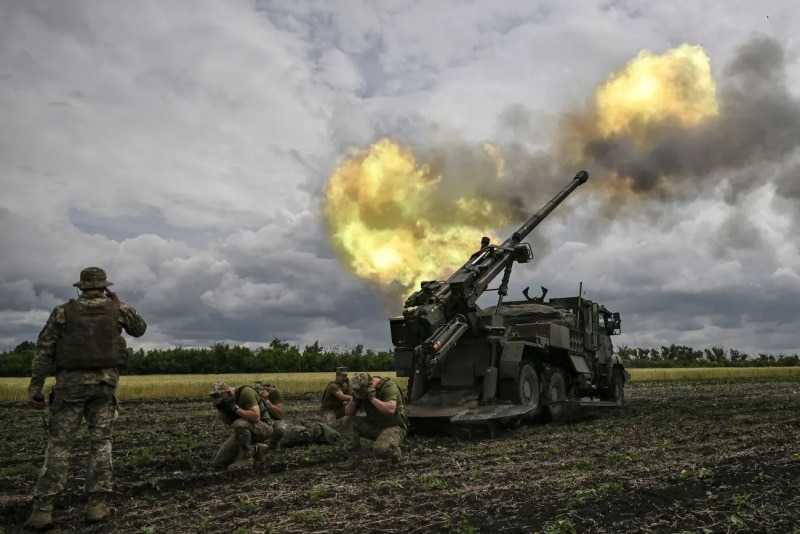
Ukraine Urges U.S. To Provide ‘Fire Parity’ With Russia As Struggle In East Worsens

Ukraine’s top general has told his U.S. counterpart that his country desperately needs “fire parity” with Russia to “stabilize” the difficult situation in the east, where Kyiv’s forces have suffered setbacks against Moscow’s troops backed by powerful artillery bombardments.

“We discussed the operational situation and the delivery flow of international technical assistance,” General Valeriy Zaluzhniy wrote in an online posting after holding a phone call on June 24 with General Mark Milley, the U.S. chairman of the Joint Chiefs of Staff.

Kyiv has received billions of dollars in aid from its Western partners since Moscow’s unprovoked invasion began on February 24.

Share

Our Russia strategy has backfired … Biden is more likely to be toppled

Whatever the origins of the Ukraine war, the West and Russia are now engaged in a broader confrontation that is not confined to the military struggle: the war has become a competition in pain-tolerance.

This is, as Thomas Schelling wrote, “a conscious process of dirty bargaining”, whereby each side tries to inflict pain and suffering on the other side until one or both yield. Put simply, the West and Russia are playing a violent version of the schoolyard game Mercy. The centrepiece of the West’s effort to inflict pain on Russia is what the historian Nicholas Mulder has called “the economic weapon”, which has been deployed at unprecedented scale. The centrepiece of Russia’s effort to inflict pain on the West is the commodities weapon. In this competition in pain-tolerance, it is not immediate whether the West or Russia has the upper hand.

Share

Why the west risks condemning Ukraine to slow strangulation

Speaking at a private dinner in London recently, a senior serving British military officer argued that the west had no choice but to see Ukraine as just one phase in a decade-long battle with Russia. “If Ukraine wins, Russia will never accept that. If Russia wins, it will go further,” he said.

Yet in Whitehall they fear the “F word” – fatigue – and worry that the west with its TikTok-attention span and bias towards instant gratification does not have the resolve for the years-long sacrifice required to defeat Russia, or even stem the military tide in the villages of eastern Ukraine.

That anxiety is shared by Volodymyr Zelenskiy, the Ukrainian president, who in a speech to marketing professionals in Cannes this week pleaded with them to use their creative ingenuity to keep the world focused on his country’s struggle: “Don’t let the world switch to something else,” he said.

Share

Russia is sidestepping American oil sanctions

The global oil market isn’t exactly cooperating

When the European Union finally made the decision to ban 90 percent of Russia’s crude oil imports by the end of the year, the bureaucrats in Brussels were jubilant. The EU’s adoption of oil sanctions was thought be a big blow to Russian President Vladimir Putin, who depends on the revenue generated by his country’s oil exports to fund his war in Ukraine.

Share

John Ivison: Canadian soldier on Ukraine’s front line has message for Ottawa — send more weapons now

OTTAWA — When James Challice rides into battle in the contested south of Ukraine, he doesn’t travel to the front in an armoured infantry fighting vehicle: He drives himself in a Hyundai Sonata.

“We get hit with machine gun fire and mortars, we have to hide them (the cars) in the woods. It’s been surreal, but we’re using what we’ve got,” the Canadian Forces veteran said in an interview with National Post.

Share

How can Germany realistically replace gas?

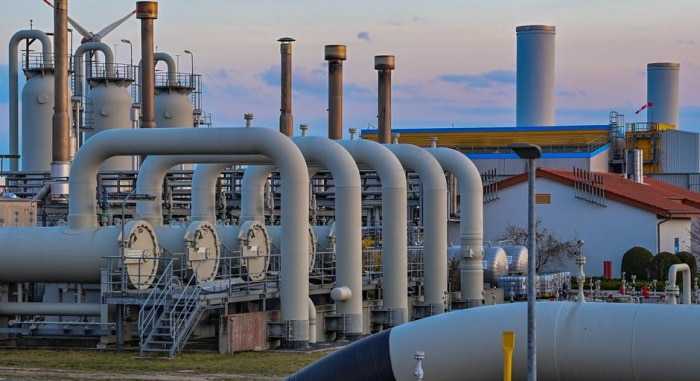
As Germany scrambles to find a way to lower its reliance on Russian natural gas, the country has announced a move to the second phase — “alarm” level — of its three-stage emergency gas plan, possibly leading to higher prices for consumers. The third phase could involve gas rationing.

And the energy crisis could have even more severe consequences for industry and consumers come the fall months.

Possible solutions include purchasing from other sources, including liquefied gas; more frugal consumption and utilizing coal to a greater degree. At the same time, the neoliberal Free Democrats — the smallest party in Germany’s ruling coalition government — are calling for German nuclear power plants to run longer and for the ban on natural gas extraction through the process known as fracking to be lifted.

Share

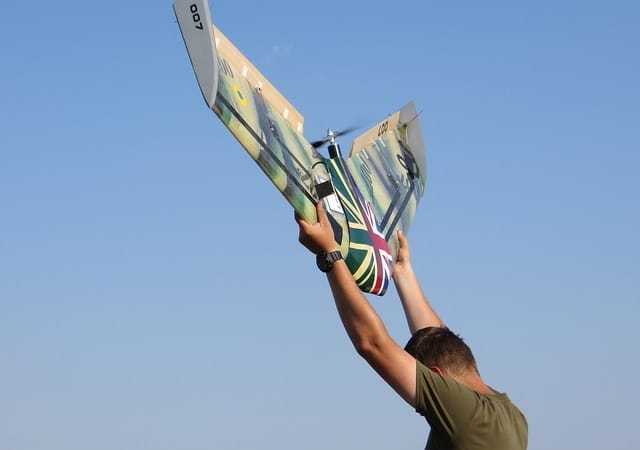
British network builds drones for Ukraine to fight Russia

Before Russian bombs started falling on his motherland, Alex Shevchenko’s plan for this year was to buy a family house, move to Kent and run his internet trading business from the English countryside.

Now Shevchenko, 41, is at the beating heart of a thousand-strong volunteer network manufacturing reconnaissance drones, developing artillery-targeting applications and supplying the Ukrainian army from Britain.

Crowdsourced armaments. What a world.

Share

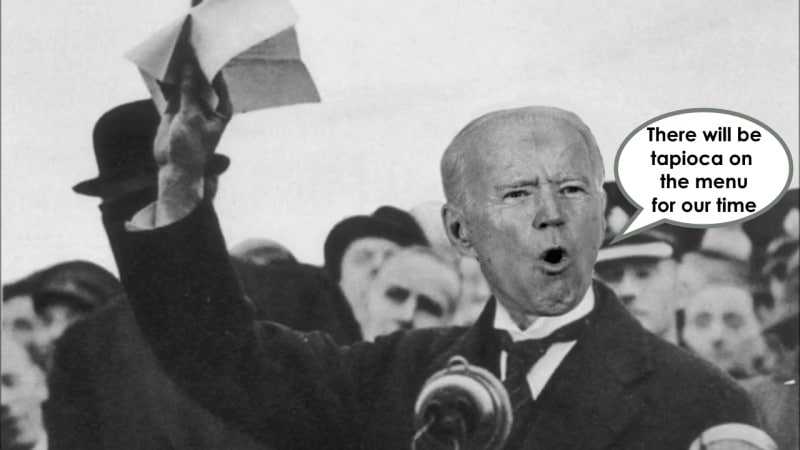
Europe’s Leaders Must Not Stumble Towards a New Munich

At a time when there is mounting concern that European leaders are suffering from “war fatigue” over the Ukraine conflict, the prospect of Kyiv becoming an official candidate for European Union membership constitutes a much-needed morale boost for the Ukrainian people.

With the conflict now reaching the four-month mark, the early enthusiasm demonstrated by Western leaders for supporting the Ukrainian cause has been replaced by apathy as it becomes clear that the war is likely to drag on for months to come.

Share

Europe told to get ready now for Russia to turn off all gas exports to region

IEA chief warns that Russia may be trying to prevent countries filling storage facilities ahead of winter

Europe needs to prepare immediately for Russia to turn off all gas exports to the region this winter, according to the head of the International Energy Agency, who has called on governments to work on reducing demand and keeping nuclear power plants open.

Fatih Birol said reductions in supplies in recent weeks which the Kremlin has attributed to maintenance work could, in fact, be the beginning of wider cuts designed to prevent the filling of storage facilities in preparation for winter, as Russia seeks to gain leverage over the region.

“Europe should be ready in case Russian gas is completely cut off,” he said in an interview with the Financial Times. “The nearer we are coming to winter, the more we understand Russia’s intentions.

Share