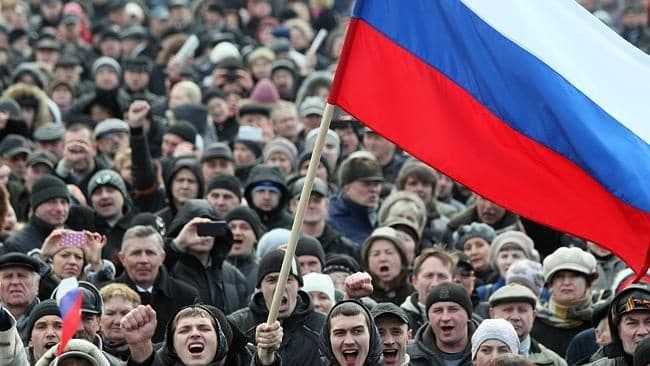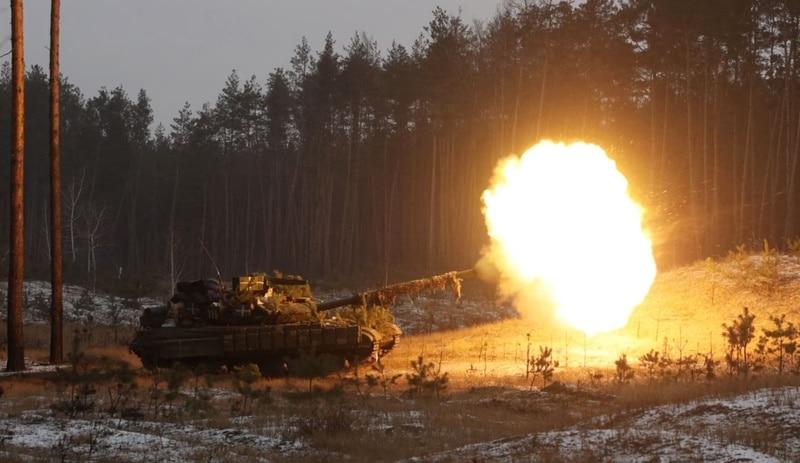

Is the West escalating the Ukraine war?

Barely a day had gone by from Ukraine’s successful request for German Leopard-2 tanks when the government in Kyiv called on Nato countries to yet again prove their solidarity by supplying it with US-made F-16 fighter jets. While military experts doubt these vehicles will significantly alter the situation on the battlefield, Kyiv touts them as important symbols of Western political resolve.

Share

What Happened in Vuhledar?

A Battle Points To Major Russian Military Problems

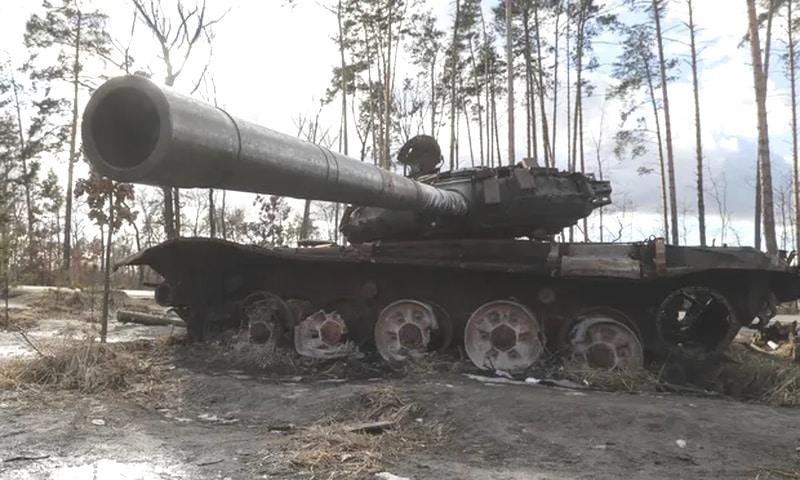
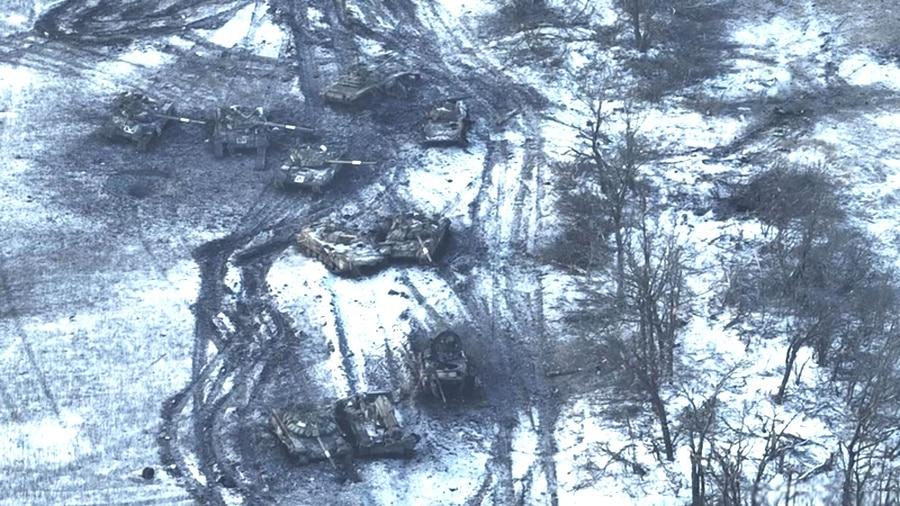
By one account, nearly three dozen Russian tanks and armored vehicles were reduced to smoldering rubble. By another, as many as 500 Russian troops may have been killed. Relatives of soldiers from one unit are frantically trading text messages and social-media posts trying to locate their loved ones.

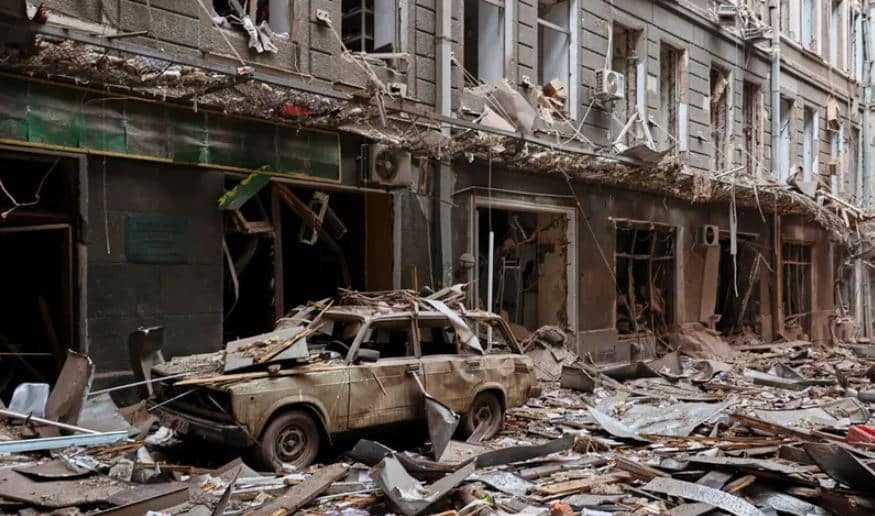
More than two weeks after a major clash between Russian and Ukrainian forces, details are slowly emerging as to what exactly happened in Vuhledar earlier this month.

Share

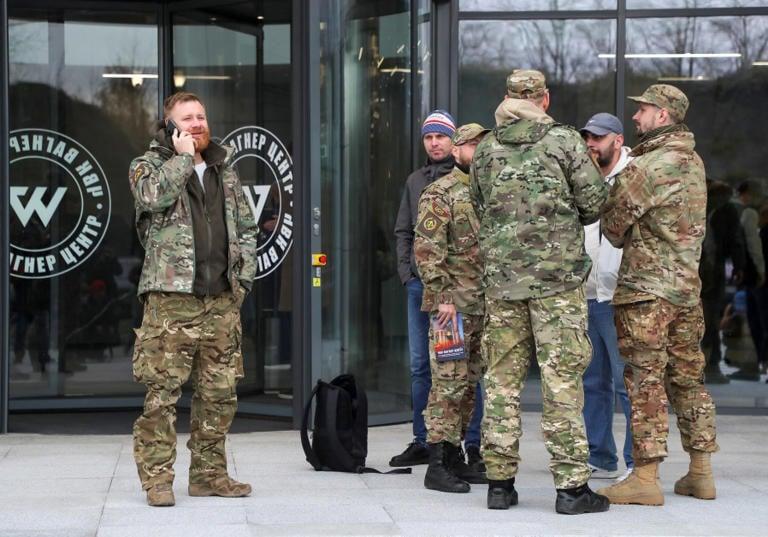
Wagner Group releases graphic video of corpses in desperate plea for more ammunition

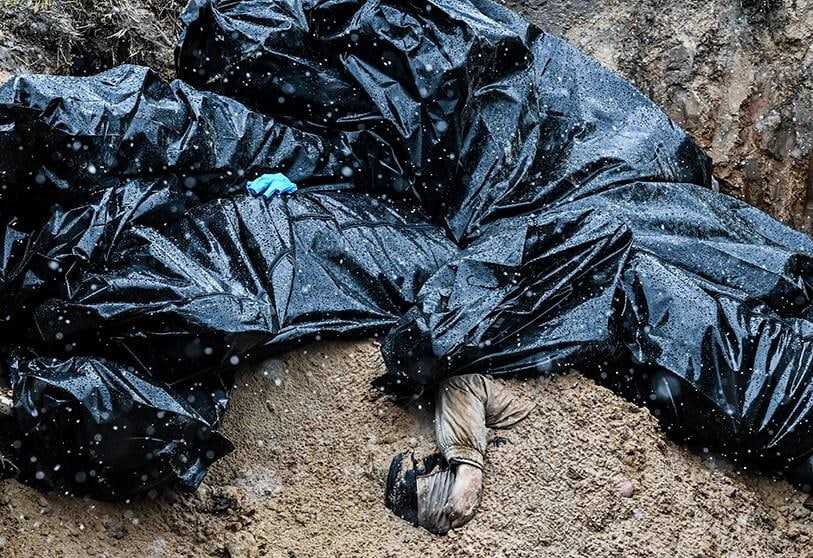
The Wagner Group on Friday released a video of a stack of corpses to make a point about the shortage of ammunition it was facing, as its leader said he would risk arrest to get his fighters more shells and bullets.

The graphic clip, posted by a Telegram account linked to the Russian mercenary group, showed hundreds of dead bodies – allegedly of Wagner fighters – to show the human cost of the ammunition shortage.

“We’re losing our fighters every day: it would be half as much if the military officials were to supply us with weapons and ammunition on time,” an unidentified man in a hazmat suit said in the video.

Share

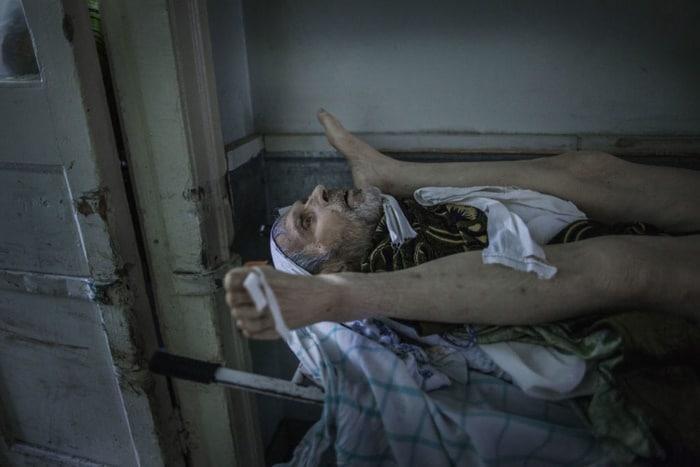
Inside the Ukrainian morgue trying to identify the enemy dead

Hundreds of Russian soldiers have undergone DNA examination, partly to help with inquiries into war crimes in once-occupied areas

Twice in its 90-year history the courtyard of Kharkiv’s morgue has overflowed with the dead. The first was during the Holodomor, Stalin’s man-made famine in Ukraine, regarded in this country as the Kremlin’s first attempt at genocide against its people. The second was just after the Russian invasion began a year ago and Ukraine’s second city emptied of the living, fleeing the onslaught.

Share

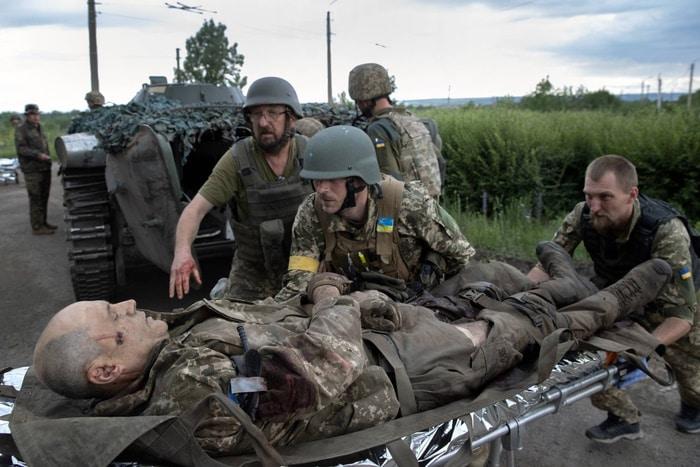
Meet the former British colonel treating wounded Ukrainian soldiers

The stench of the front had followed the wounded into the ward, so that the bandaged men reeked of a mixture of sweat, tobacco, soil, dried blood and disinfectant. A few still smelled of cordite. There were no loud voices, no laughter, no careless boasts of courage, no slogans of glory here.

Fresh from the horrors of Bakhmut, their limbs penetrated and shattered by flying metal, the soldiers spoke to one another softly, if at all, as they waited to have their wounds dressed before being evacuated westwards. Some were silent, staring into space as they reflected on what had brought them here.

Share

A Russian Mole in Germany Sows Suspicions at Home, and Beyond

A few days before Christmas, a convoy of security vehicles invaded a quiet corner of Weilheim, a quaint Bavarian town of pastel squares and fastidiously kept cobblestone streets. Their target seemed as unassuming as the setting: a local children’s soccer coach.

Before then, nothing had stood out about the man, fellow coaches recalled. He was not short, but not tall — friendly, yet never wanting to discuss anything but soccer. Grasping for words, most landed on the same choice: “unremarkable.”

That changed when they learned he had been arrested on charges of treason and spying for Russia in one of the gravest espionage scandals in recent German history.

Share

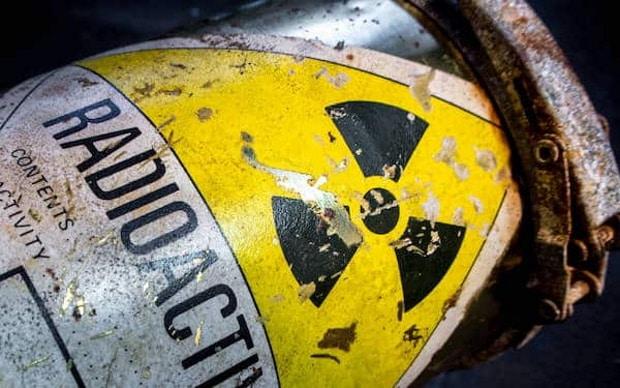
(Radiological) War by Other Means: A Dirty Bomb in Ukraine?

Fear is mightier than the sword, and few things stoke fear like a dirty bomb. So, it should have come as no surprise when Russia accused Ukraine of building a radiological dispersal device (RDD), possibly setting the stage for a false-flag attack. By manipulating widespread fear of radioactivity, such a device is a potent weapon of terror, and Russia has transformed it into an instrument of “war by other means.” To manage this, relevant chemical, biological, radiological, and nuclear (CBRN) doctrine must also shift to emphasize public information and crisis recovery.

Share

Poll: Less Than Half Of Americans Support Shipping Our Weapons To Ukraine

As Russia’s invasion of Ukraine nears its one-year anniversary on Feb. 24, many Americans’ patience is wearing thin. A new poll by the Associated Press-NORC Center for Public Affairs Research found that American support for shipping weapons and tax dollars off to Ukraine is declining.

Less than half of Americans, 48 percent, now say they favor the U.S. providing weapons to Ukraine, with 29 percent opposed and 22 percent neither in favor nor opposed. This is a decline from May 2022, when less than three months into the conflict 60 percent of U.S. adults were in favor of sending weapons to Ukraine.

Share

US colonel accuses George Soros of being a ‘shadow national security advisor in the White House’

‘George Soros is frequently mentioned as the shadow national security advisor in the White House these days, and Mr. Zelensky also owes a great deal to George Soros, along with other oligarchs, for his position.’

Retired U.S. Colonel Douglas Macgregor, a security advisor for the Secretary of Defense under Donald Trump, recently addressed the influence billionaire George Soros has over the Biden administration, describing the left-wing megadonor as a “shadow national security advisor in the White House.”

In the beginning of the February 13 interview, the West Point graduate and author described the current situation in Ukraine as one which can largely be traced back to the West’s provocation of Russia by the toppling of Ukraine’s pro-Russian government in 2014 and replacing it with a pro-American, Western allied regime — a point Macgregor touched upon in an exclusive interview he gave to LifeSiteNews late last year.

Share

War in Ukraine: Why Russia has failed to conquer the skies

President Putin has sacrificed thousands of tanks and tens of thousands of men in an effort to grind Ukraine into submission. Yet so far he has appeared reluctant to use planes and helicopters to win the battle for the skies.

Barrages of cruise and ballistic missiles have been the main way Putin has sought to press the Russian aerial advantage, while holding his expensive aircraft in reserve. A Russian SU-35 fighter typically costs about £35 million.

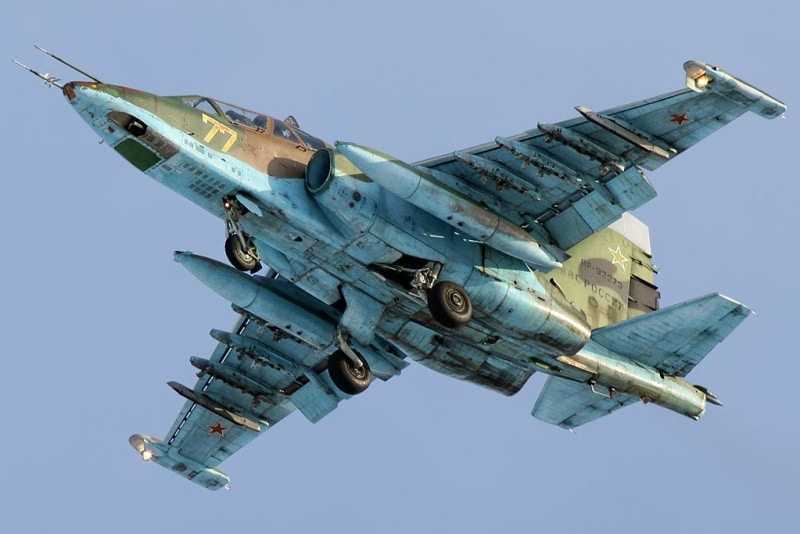
The SU-25 Soviet era ground attack fighter-bomber pictured has not fared especially well to date with numerous reports of shoot-downs.

Share

Russian army has lost up to half of key battle tanks, analysts estimate

Russia’s army is estimated to have lost nearly 40% of its prewar fleet of tanks after nine months of fighting in Ukraine, according to a count by the specialist thinktank the International Institute of Strategic Studies (IISS).

That rises to as much as 50% for some of the key tanks used in combat, forcing Russia to reach into its still sizeable cold war-era stocks. Ukraine’s tank numbers are estimated to have increased because of the number it has captured and supplies of Soviet-era tanks from its western allies.

John Chipman, the thinktank’s chair, said the war had been “a political and military failure for Russia” highlighting shortcomings in leadership and deficiencies in its munitions, despite Kremlin modernisation efforts.

Share

Do ordinary Russians support Putin’s war?

Western analysts are spreading a false narrative

If you were a Russian mother, would you rather believe that your son gave his life heroically fighting Ukrainian Nazis, or that he died butchering innocent civilians? The former, most likely. It is not easy to admit — to oneself or to others — that you live in a country that has murdered tens of thousands of Ukrainians, or that has pointlessly sacrificed the lives of its own people.

Yet it is one thing to turn a blind eye to the truth, and quite another to be “brainwashed”. The West is fixated on the idea that “Putin’s war” is not Russia’s, and that the Russian people only support it because they have been “zombified” by a totalitarian regime. But this is missing the wood for the trees.

Share

New battle emerges between the West and defence industry as the push continues to help arm Ukraine

Nato members concede that Western militaries risk running out of the ammunition Kyiv needs, but also protect themselves going forward

Far from the battlefield of Ukraine, a new conflict is taking shape that could determine the future of the war – one between Western governments and the global arms industry.

Nato member states gathered in Brussels have conceded that Western militaries are in danger of running out of the ammunition Kyiv needs to win the war, but also protect themselves going forward.

Ukraine’s armed forces are burning through artillery shells at a rate of 6,000 a day – more than a smaller European country’s orders in an entire year in peacetime.

Share