I believe that democracy is not an event, it’s a process. One that works best when as many people as possible stay engaged and involved.
But elections are events. And this one is here.
On Monday, from 10 a.m. to 8 p.m., Toronto voters have the chance to decide who will lead their city government. The choice could hardly come at a more important time.
With just a day to go before Torontonians heads to the polls, John Beebe is watching the city’s mayoral byelection closely.
The founder of the Democratic Engagement Exchange, whose mission is to foster democratic participation, said last fall’s municipal vote was a wake-up call. With a record low 29 per cent voter turnout, his organization has been hard at work during this campaign doing outreach and providing free tools, resources and training to community groups.
As for the reasons for the low turnout, Beebe said the impact of the pandemic, the strength of then-incumbent John Tory and the lack of a single predominant issue all were likely factors.
Slim hope … Olivia Chow’s lead in the Toronto mayoral election shrinks after rival gets surprise endorsement, poll finds
The mayoral race has entered its final sprint as arguably the two biggest names in Toronto politics weigh in with competing robocalls.
On Thursday, the voices of both former mayor John Tory and sitting premier Doug Ford could be heard in robocalls, urging voters to support competing candidates.
The two men endorsed rival campaigns on Wednesday. Tory came out in support of Ana Bailão, his former deputy mayor, and Ford confirmed his already apparent support for former police chief Mark Saunders.
Hardly. It’s no secret Ford endorsed Saunders from Day 1. If anything that likely hurt Saunder’s chances. As for Tory, that’s for Ana Bailao to rue.
One of the most interesting developments of this mayoral election campaign didn’t happen during a debate, or on the campaign trail at all. It happened at a city council meeting earlier this month.
There, Coun. Lily Cheng of Willowdale put forward a series of motions regarding a modular supportive housing project in her ward that was approved two years ago but has been delayed by community complaints. Cheng’s motions, justified she said by “a serious lapse in the democratic process,” might have delayed the project further, or derailed it. We’ve seen this movie before: neighbours kill affordable housing because of concerns about safety, or neighbourhood character, or green space, or height, or whatever else they can think of, and the housing never gets built.
If you chose between getting rid of Dundas St. or drug injection sites, what would it be?
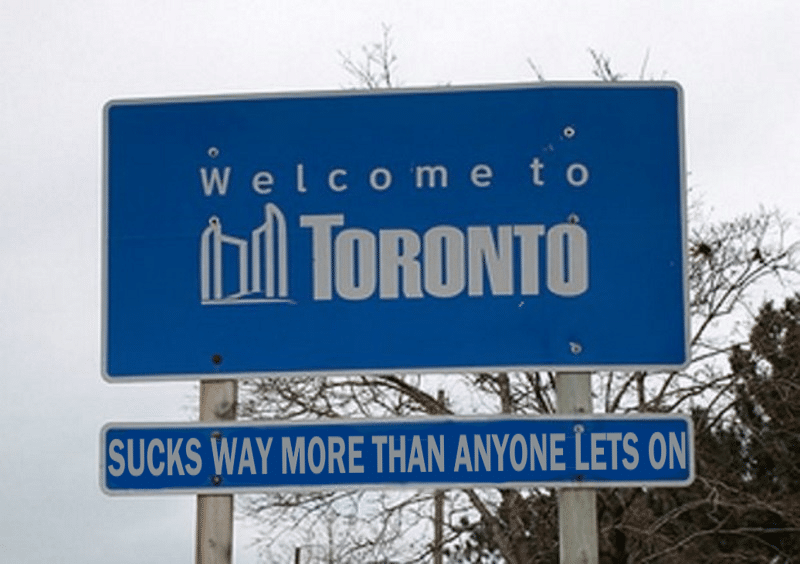
No matter what happens in the mayoral election on Monday, only Toronto would keep the heroin injection site in the main tourism area but get rid of the street name it sits on.
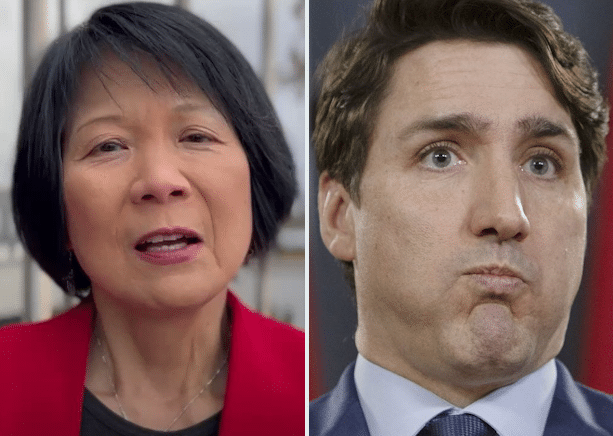
On Monday, Toronto voters will have the chance to elect a mayor who can save the city from the same spiral of decay and despair that’s claimed cities like San Francisco and Seattle. That mayor is not Olivia Chow.
The issue at hand isn’t about partisan politics, but her gravely outdated understanding of the city’s problems and her orthodox approach in a time that demands truly bold action.
If Toronto elects Chow they deserve everything they get, except an asteroid strike that would be far too merciful.
“Good luck!” comes the shout from across Augusta Street as Olivia Chow walks through the Kensington Market neighbourhood she’s called home for decades.
First elected as city councillor, then as a member of Parliament, people in Toronto know her name, which is not something that can be said of her competitors in the race to be mayor. Chow chose the area for an interview because of its history of hosting waves of immigrants to the city.
Standing on a stage on Monday, surrounded by supporters holding up her purple campaign signs, Olivia Chow played to the crowd.
“Are you ready to elect a mayor who cares?” she said as they cheered. “Let’s go do it. Let’s make it happen. Let’s win.”
It was the first of two rallies that the front runner’s campaign plans to hold this week as Chow attempts to project confidence and seal the deal with voters ahead of Toronto’s mayoral byelection.
Ontario Premier Doug Ford has said that if frontrunner Olivia Chow is elected Toronto’s new mayor, it will be an “unmitigated disaster” for the city.
The premier made the comments fairly unprompted while at an unrelated announcement in Burlington Wednesday afternoon.
At the time, he was asked by a reporter about former Toronto Mayor John Tory endorsing candidate Ana Bailao. After talking about how much he admired Tory, the premier moved on to talk about other mayoral candidates.
Toronto got the mayoralty race it needed. We’ve seen vigorous debate on the challenges that confront Canada’s biggest city and ambitious proposals to tackle them.
From the unwieldly field of 102 candidates, six have emerged with well-considered remedies for what ails Toronto, and each are unique: Brad Bradford’s insider knowledge of the planning process, Mark Saunders’ pitch for improved mental health services, Olivia Chow’s record of championing progressive issues, Mitzie Hunter’s detailed platform and costing, and Josh Matlow’s meaty policy proposals and budget honesty. They all deserve applause for the energy and ideas they have brought to this race.
They’ve done nothing but pump Chow. Maybe they realize she was Beijing’s man.
A Toronto cafe owner has boarded up most of his windows after repeated smashing attacks from vandals and rising repair costs for the Church and Wellesley storefront.
Toronto has had a net loss of more than 11,000 young families over the past decade, a sign that the housing affordability crisis at the heart of the mayoral campaign is becoming an existential threat to the city’s future.
The statistic is one of a series of stark numbers pointing to the scale of the problem. Real estate prices and rents have soared, construction of new homes has lagged population growth, and development approvals can take years.
Olivia Chow looks likely to win Toronto’s upcoming mayoral vote. She enjoys just 30 per cent support, but in a crowded field that could be enough. Chow’s platform is the same basic New Democrat theology she’s promoted for years. Canada’s biggest city has serious problems these days, lots of them. Are a familiar face and high-minded ideals enough to solve them? We’ll find out.