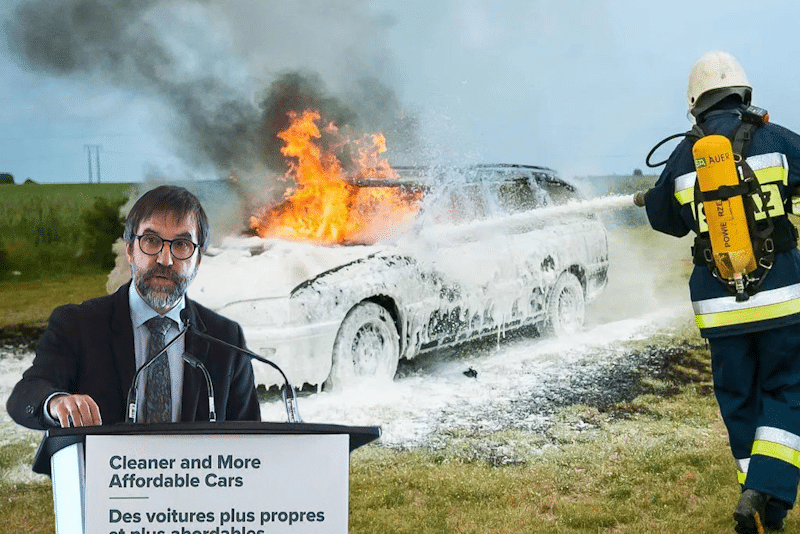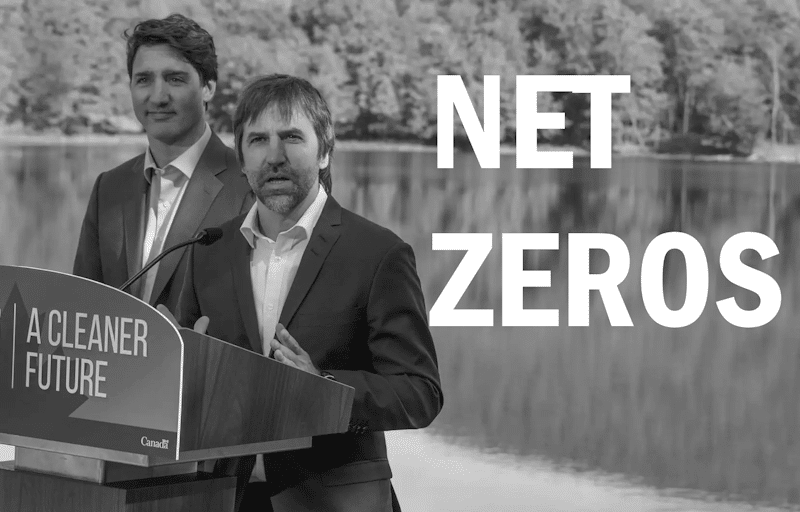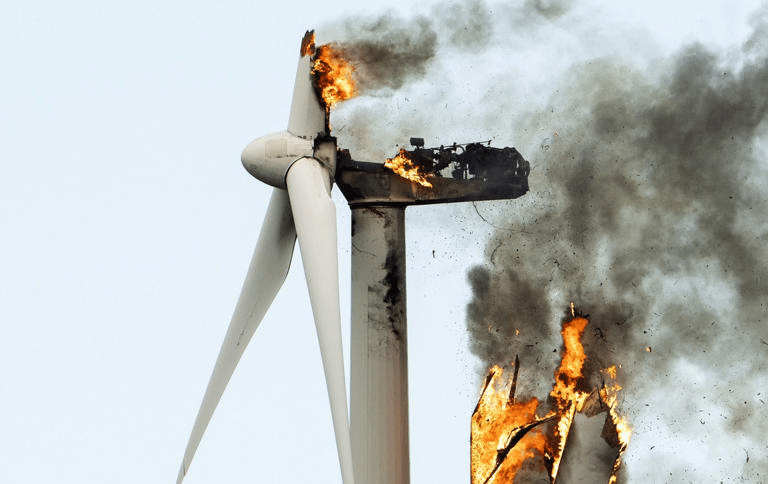
Trudeau’s electric vehicle mandate could cause Canada’s power grid to collapse, analysis shows

A noted fiscally conservative think tank warned that a proposed federal mandate from the government of Prime Minister Justin Trudeau to ban the sale of new gasoline/diesel-only powered cars after 2035 and allow electric-only sales is an unrealistic fantasy that would cause massive chaos by threatening to collapse the nation’s power grids.

“Requiring all new vehicle sales in Canada to be electric in just 11 years means the provinces need to substantially increase their power generation capabilities, and adding the equivalent of 10 new mega-dams or 13 new gas plants in such a short timeline isn’t realistic or feasible,” said G. Cornelis van Kooten, a Fraser Institute senior fellow and author of “Failure to Charge: A Critical Look at Canada’s EV Policy.”

Share

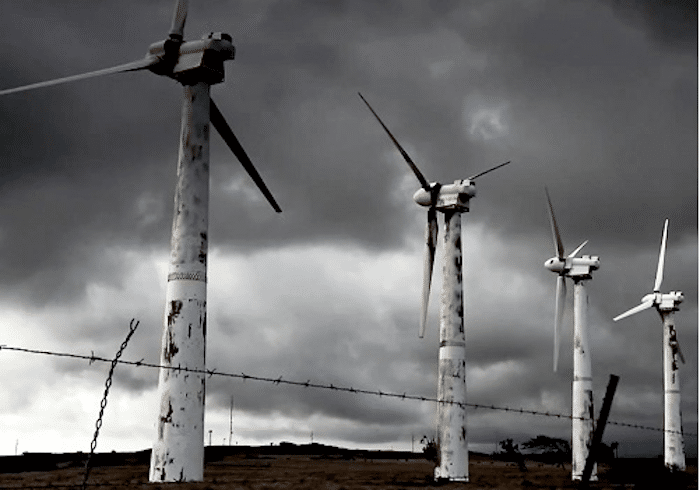
‘Absolutely fierce’: Rural revolt against solar and wind across North America, says energy analyst

The revolt isn’t popular. It’s ignored by establishment environmental groups. It’s harshly criticized by pro-renewable energy business and political leaders.

Nonetheless, the battle is on, a contest that now includes rural Albertans rising up against solar and wind developments.

“The battle in rural America and rural Canada is absolutely fierce,” American journalist and documentary filmmaker Robert Bryce told me in an interview. “These big wind and big solar companies are doing all they can to absolutely roll over small communities.”

Share

Guilbeault defends carbon pricing as more provincial Liberals voice concern

As concerns about a scheduled increase to the federal carbon price grow, Environment Minister Steven Guilbeault says provinces are welcome to come up with their own policies, as long as the federal minimum pollution price is used.

His comments come as the Ontario Liberals are the latest provincial party to call for a change to the federal carbon price — with leader Bonnie Crombie saying a government she leads would not have a provincial carbon price similar to the federal model.

Share

14 of the 15 worst cities for air pollution in U.S. and Canada were north of the border last year: report

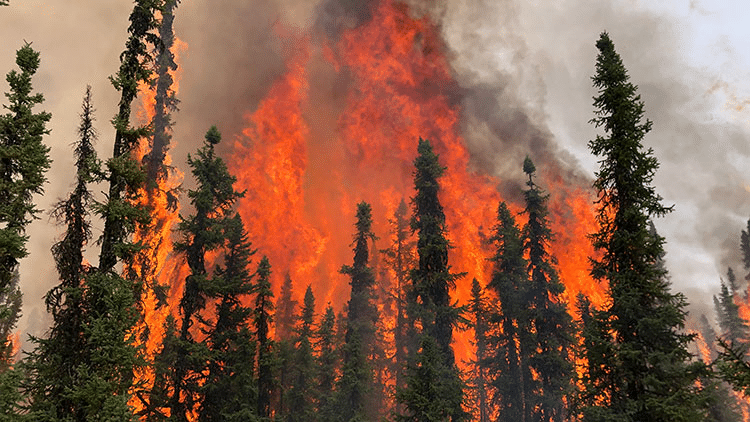
Thanks to wildfires, air quality in Canada is now worse than in the U.S., according to a new report.

Published Tuesday, the 6th Annual World Air Quality Report  found that air quality in Canada in 2023 was worse than in the U.S. for the first time in the report’s history.

Of the 15 most polluted cities in the two countries, 14 were in Canada, led by Fort McMurray and Peace River in Alberta. Others included Yellowknife, Edmonton, Saskatoon and Canmore, Alta.

Clearly we need more carbon tax.

Share

Ottawa Gave WEF $500,000 for Report ‘Justifying’ Carbon Tax: Tory MP

Conservative MP Leslyn Lewis is criticizing the Liberal government for providing nearly half a million dollars to the World Economic Forum (WEF) to produce an environmental report promoting the carbon tax.

Prime Minister Justin Trudeau paid the WEF nearly $500,000 “of Canadian taxpayer money for the New Nature Economy Report justifying his carbon tax,” Ms. Lewis says in a March 18 social media post. “Global interest groups should not be trusted to care about the prosperity of Canadians.”

Share

Adam Pankratz: Guilbeault’s EV fantasy crashes into reality

Late last year, when Environment Minister Steven Guilbeault announced the Liberals’ plan to eliminate the sale of cars with internal combustion engines by 2035, a number of people, myself included, rolled their eyes at the government’s interference in the free market. Little did we know how fast the free market would slap the electric vehicle mandate back to reality, while Canadian taxpayers continue to subsidize green fantasies.

Share

The great greenhouse gas numbers game

THERE is a move afoot in the western world which will permanently prevent anyone from having a new idea. It has been tried many times before, mostly successfully. It has been seen operating under the control of common-or-garden varieties of dictators, who proudly boast that 97 per cent of the population loves and agrees with them. This latest version is being disguised as a fully justifiable attempt to protect citizens from harm, the harm that comes from the viral spread of that enchantress Miss Disinformation.

Share

Natural resources minister defends carbon tax as provinces pile on

Natural Resources Minister Jonathan Wilkinson says provincial premiers who are calling on the government to scrap a planned increase on the carbon tax have their facts wrong.

In an interview airing Sunday on Rosemary Barton Live, Wilkinson defended the federal government’s landmark climate policy against a growing chorus of provincial leaders who hope to either delay or ditch altogether the impending April 1 increase.

“Based on the facts, the seven premiers are just wrong,” Wilkinson told guest host David Common.

Share

The carbon levy will haunt Justin Trudeau whether he raises it or not

Justin Trudeau acknowledged this week that he’s no longer popular. Hearkening back to similar comments by former prime minister Brian Mulroney, whose funeral will be held Saturday, Trudeau said, “My job is not to be popular. … My job is to do the right things for Canada now, and do the right things for Canadians a generation from now.”

Friends and foes suggest a solution to Trudeau’s popularity problem — one that may lead the Liberals towards an existential crisis in the next election — is a pause to the carbon price increase coming to Canadians’ wallets on April 1.

But Trudeau has much more to lose if he amends his government’s signature climate policy than if he stands his ground.

Share

Don Braid: Trudeau’s carbon pricing secret weapon; Axe the Tax means Ruin the Rebate

Justin is so full of shit he’s about to explode.

Albertans receive far higher carbon tax rebates from Ottawa than any other Canadians.

A family of four will get $1,800 annually, up from $1,544 last year.

Article content
In Ontario, this year’s benefit is $1,120.

Per capita, Albertans burn more fuel and emit more carbon than other Canadians.

That means higher levels of carbon tax — and more money back from what’s now called the Canada Carbon Rebate.

Share

Alberta government releases no-go zone map for renewable power projects

The Alberta government has released some details of where and how it will permit wind and solar development, prohibiting it along a broad stretch of the province’s western edge, assessing its visual impact in five other large areas and restricting it on agricultural land.

“Wind projects are no longer permitted in the buffer zones due to the impact of their vertical footprint,” said Affordability and Utilities ministry spokeswoman Ashley Stevenson.

“With agricultural lands, development is still permitted as long as the project can coexist with livestock or crops.”

Share