Debris discovered near Titanic wreckage confirmed as OceanGate vessel as all five passengers ‘have sadly been lost’

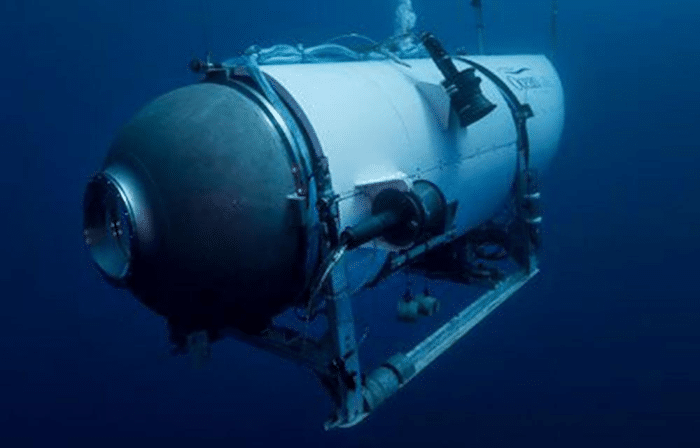
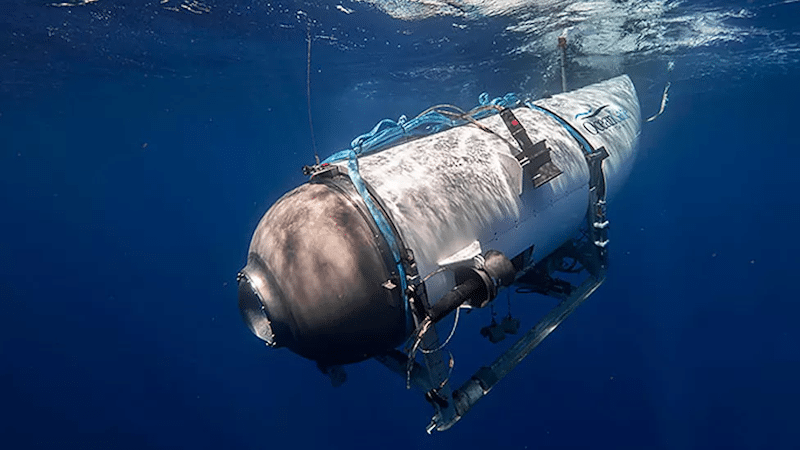
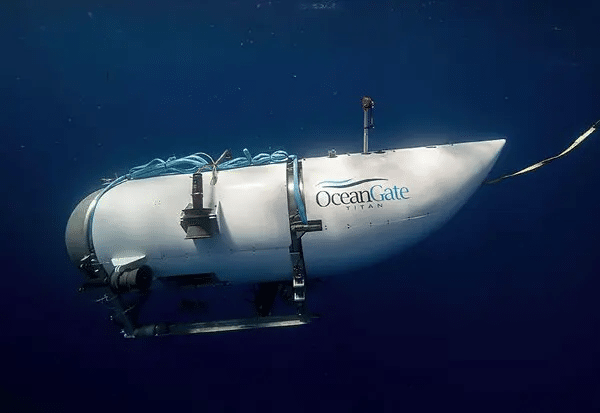
The debris discovered by a remotely operated vehicle searching the site of the Titanic’s wreckage for the lost OceanGate submersible was confirmed to be that of the missing vessel.

US Coast Guard officials said five major pieces of debris were found 1,600 feet from the shipwreck, with the debris being “consistent with the catastrophic loss of the pressure chamber” belonging to the Titan sub.

Authorities said Titan imploded under the pressure of the Atlantic, killing all five passengers aboard.

Share

The U.S. Coast Guard says debris field has been found near the Titanic during search for submersible

The U.S. Coast Guard said Thursday that an underwater vessel has located a debris field near the Titanic in the search for a missing submersible with five people aboard, a potential breakthrough in an increasingly urgent around-the-clock effort.

The Coast Guard’s post on Twitter gave no details, such as whether officials believe the debris is connected to the Titan, which was on an expedition to view the wreckage of the Titanic. The search passed the critical 96-hour mark Thursday when breathable air could have run out.

Share

Titanic sub search …

A massive effort to find a submersible exploring the wreck of the Titanic in the North Atlantic has entered a critical stage. The vessel went missing deep under the ocean on Sunday with five people on board.

Researchers aboard the Polar Prince – its mothership on the surface – lost contact with the crew shortly after the Titan began its dive. There is limited oxygen on board, and it was estimated that supplies would run out by around 10:00 GMT (06:00 EDT) on Thursday.

Undersea noises have been detected in the search area, but it is not known where they are coming from or what they mean.

Missing Titanic submersible: Why oxygen timeline on sub may not be so fixed

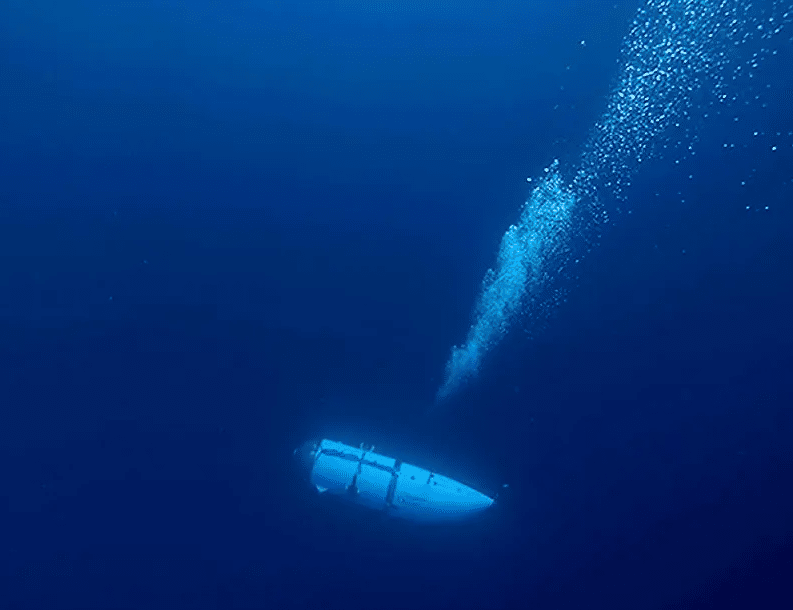
The exact whereabouts of the Titanic submersible and the condition of the five crew onboard are unknown. It is thought that, if the vessel is still intact, it may have just a few hours of oxygen remaining, creating a race against time to find the sub before it is too late.

However, that timeline is not necessarily rigid. Dr Ken LeDez, a hyperbaric medicine expert at Memorial University in St John’s, Newfoundland, has told BBC News that, depending on conditions, some of those aboard could survive longer than expected.

Share

Ross McKitrick: The truth about forest fires goes up in climate-change smoke

We’re told we should listen to the science, but the science on forest fires is that they peaked in the 1980s

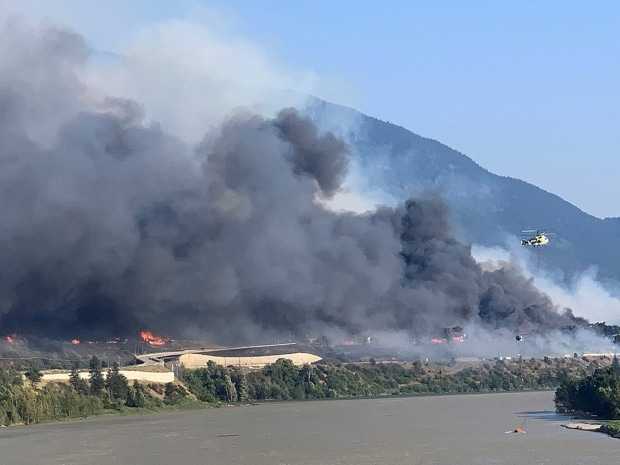
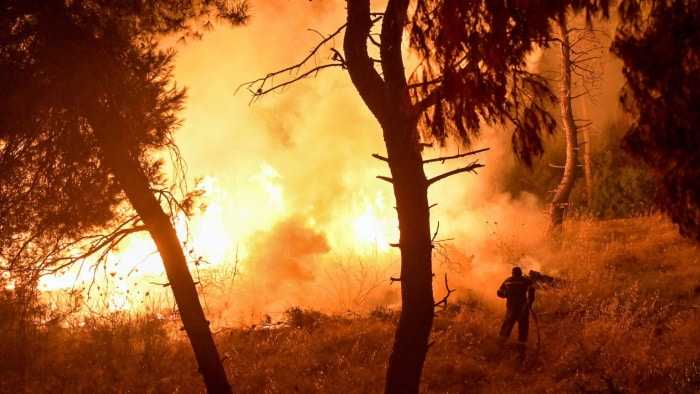
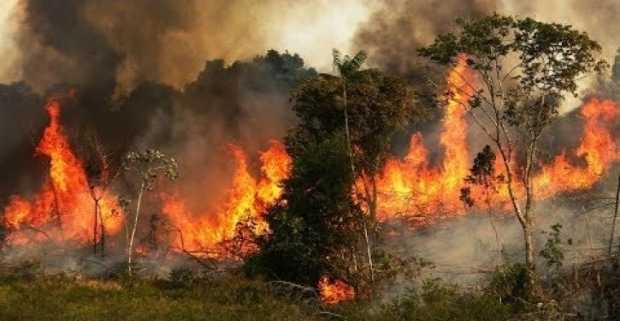
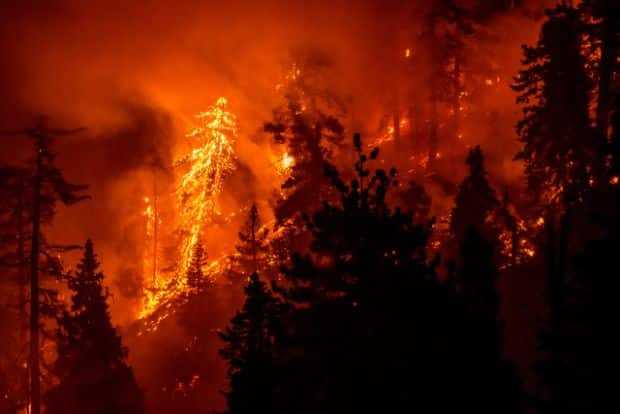
Until the recent Canadian wildfires sent plumes of smoke over the densely populated cities around the Great Lakes and along the Eastern Seaboard, few people in those cities had ever experienced the weird orange haze of a forest fire or the temporary spike in fine particulates and pervasive smell of smoke. Understandably, many people reacted with alarm. We city-dwellers typically only see wildfires on television, usually alongside footage of fire crews and water-bombers valiantly trying to put them out, which creates the impression they are somehow unnatural events that must be avoided at all costs. In reality, forest fires are not only natural but essential to the life cycle of the forest ecosystem.

Share

Terence Corcoran: The wildfire syllogism that just doesn’t add up

Are we done with the Canadian wildfire smoke crisis? Here in Toronto, the post-wildfire week began with a cold snap and what seemed like record-breaking rainfall that caused traffic accidents and kept people off the streets. Missing were CBC and other media reports, along with political and environmental group statements, that this local weather event is hurting the economy and creating risks that are typical of what we can expect from the ravages of fossil-fuel-driven climate change.

Share

Canada Has Seen Wildfires Like This Before, Says Fire Historian

Steve Pynes is a rarity—he’s the only historian he knows of that is dedicated specifically to the study of fires. And that gives him a unique perspective on Canada’s current wildfires.

“Canada has had fires at both ends burning at the same time—the 1908 fires were just a kind of rolling thunder from Vancouver all the way to Maine. So what we’re seeing is not unprecedented,” Pyne told The Epoch Times.

Share

Wildfires Exacerbated by Poor Forest Management, Professors Say

While there have been suggestions that wildfires are becoming more frequent and severe due to climate change, environmental and economic professors interviewed by The Epoch Times say the number of fires has been decreasing for decades, and that the cause of the fires in many cases can be attributed to poor forest management.

“The prime minister said that climate change is causing more and more forest fires, and the record shows the opposite,” said Ross McKitrick, an environmental economics professor at the University of Guelph.

Share

Provincial state of emergency declared in Alberta as wildfires spread and more residents flee

The Alberta government has declared a provincial state of emergency as out-of-control wildfires force more residents from their homes.

Premier Danielle Smith made the announcement at a media briefing Saturday afternoon.

Earlier in the day, at another media briefing about wildfire conditions, Smith suggested the province was considering a state of emergency.

Share

A plague of super rats is taking over our homes

For Graham Sharpe, his rat problem started with a persistent gnawing he heard one evening in his kitchen. Sharpe, a 52-year-old academic at Nottingham Trent University, ransacked the cabinets and replaced an external drainpipe which he thought might be an access point; but the furtive scratching and chomping continued. Then one night as he and his wife were lying in bed, they suddenly heard a deafening scuttling across the bedroom ceiling directly above their heads.

Share

Cascadia fault line could be ready to shift. And that would be VERY bad

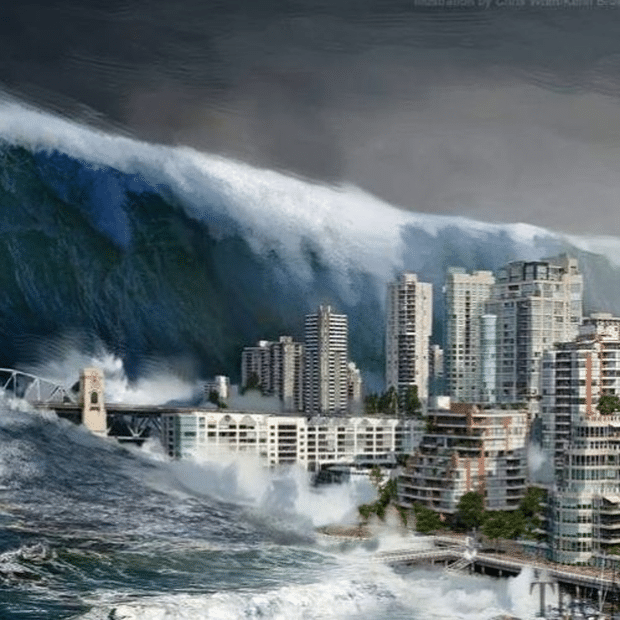
Oceanographers working off the coast of Oregon have made a potentially alarming discovery. They’ve found a vent in the ocean floor that is pushing out warm water. On the surface, that may not sound all that remarkable or dangerous, but the chemical composition of the water suggests that it’s coming up from a deep vent and it’s located on top of the Cascadia Subduction Zone. 

Share

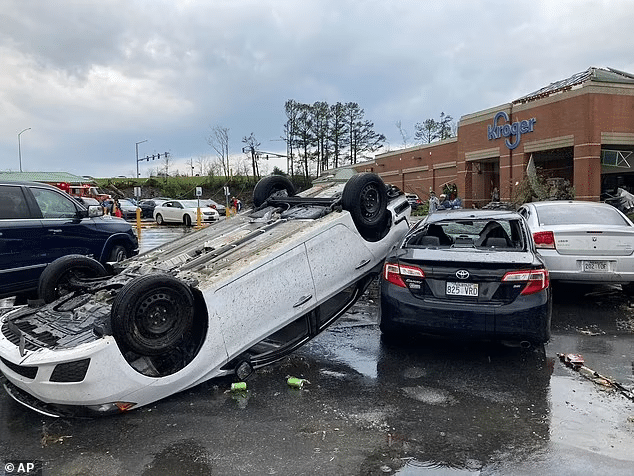
Monster tornado rips apart Arkansas capital Little Rock leaving at least 600 injured and ‘catastrophic damage’ to homes

A monster tornado has ripped apart Arkansas capital Little Rock, just a week after more than two dozen deadly twisters tore through Mississippi and parts of Alabama killing at least 26.

Footage of the ferocious weather system was filmed from the 7th floor of the Little Rock Baptist Medical Center. The person filming could be heard gasping at the massive swirling twister.

Share

Dodging the Apocalypse

A little over a week ago, on Sunday, March 12, a near-catastrophic event occurred that could have wrecked the lives of everyone reading this:

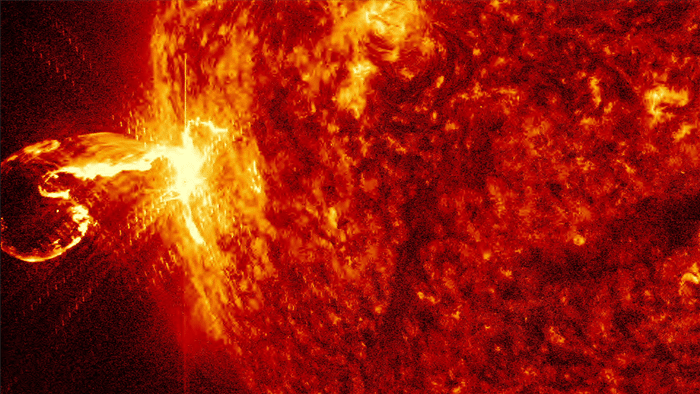
A Powerful Solar Eruption on Far Side of Sun Still Impacted Earth.

A massive eruption of solar material, known as a coronal mass ejection or CME, was detected escaping from the Sun at 11:36 p.m. EDT on March 12, 2023. The CME erupted from the side of the Sun opposite Earth.

Share

Snowing 6 Points 7:30ish #ONStorm

That was thunder.

Share

America Is Losing the ‘Epic Battle’ Against Bird Flu

After losing eight million egg-laying hens to avian influenza in 2015, Versova Management Co. spent tens of millions of dollars on laser systems, sound cannons and on-site worker showers to shield flocks from the virus spread by wild birds.

Versova lost another two million or so hens in the latest outbreak, showing the limits of costly industry protections.

“We’re fighting an epic battle,” said J.T. Dean, president of Versova, one of the five largest U.S. egg producers. “We have to be perfect.”

Share