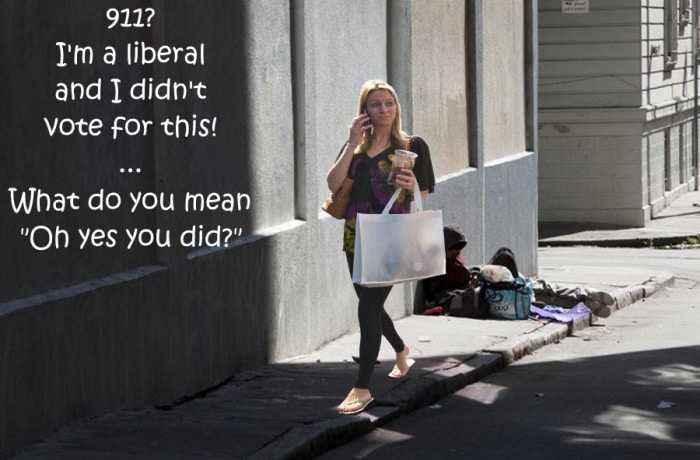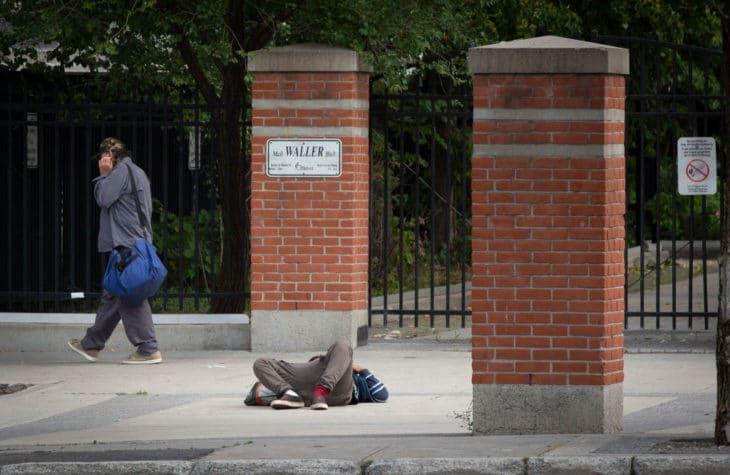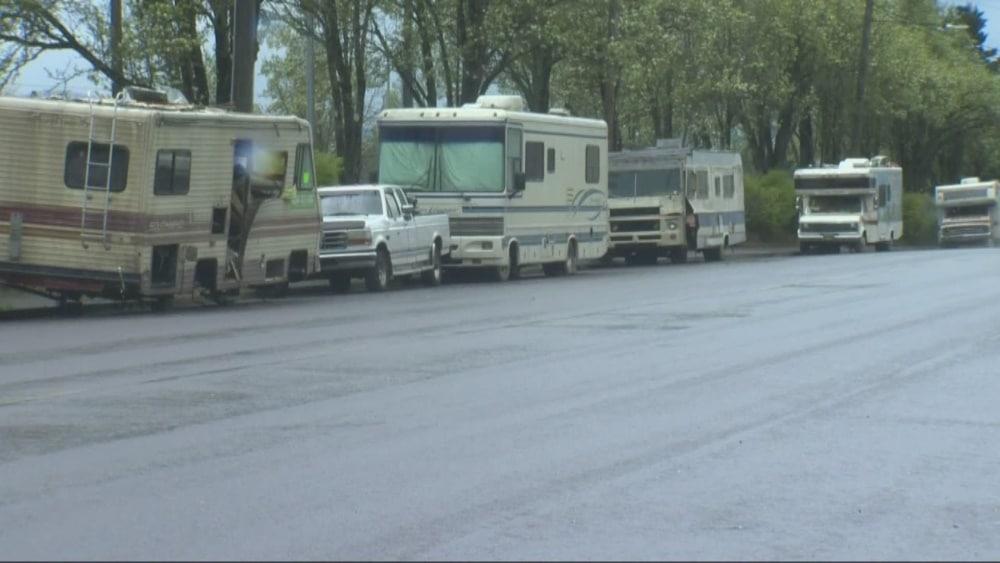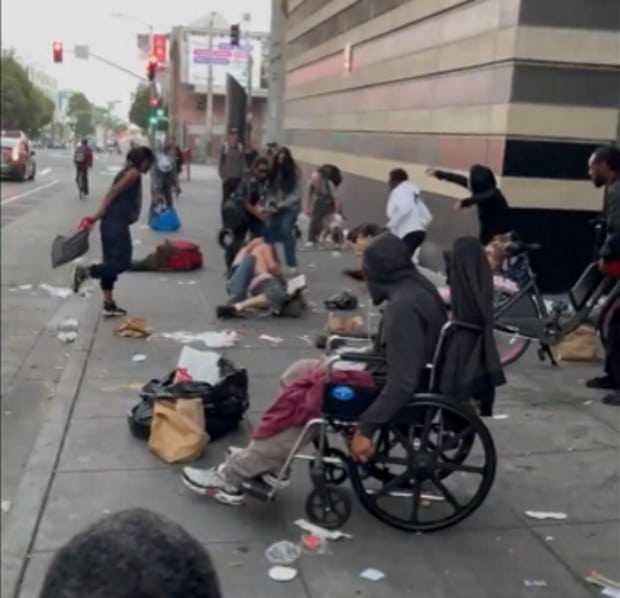
Paralympian leads class-action lawsuit against Portland because their wheelchairs can’t get past squalid homeless encampments blocking sidewalks

Residents of Portland, Oregon with physical disabilities have filed a lawsuit accusing the city of violating the Americans with Disabilities Act by failing to clear homeless encampments from city sidewalks.

The federal class-action lawsuit filed on Tuesday says that Portland has failed to keep the sidewalks accessible to people with mobility issues by allowing encampments to proliferate unchecked.

Share

‘We’re done with Portland’: Residents say they are fed up with crime and homelessness

It has only been about 2 weeks since KGW 8 aired a report about people leaving the city of Portland because of crime and homelessness. A few days ago the site published another story along the same lines. People are just fed up with the city’s problems and are ready to abandon ship.

Share

In San Francisco, It’s Anarcho-Tyranny, and It’s Set to Spread

A man wakes up in San Francisco, has breakfast, showers, and gets ready for work. As he opens his front door, he discovers a fresh deuce on the stoop of his seven-million-dollar row home. In a previous time, he would have noticed it earlier in the morning when he went to fetch the San Francisco Chronicle and the New York Times or Wall Street Journal newspapers.

Share

San Francisco’s homelessness laid bare

A flood of new images from the streets of San Francisco have brought into stark focus the extent of the city’s ongoing homelessness problem, which has driven some businesses to threaten to withhold tax payments.

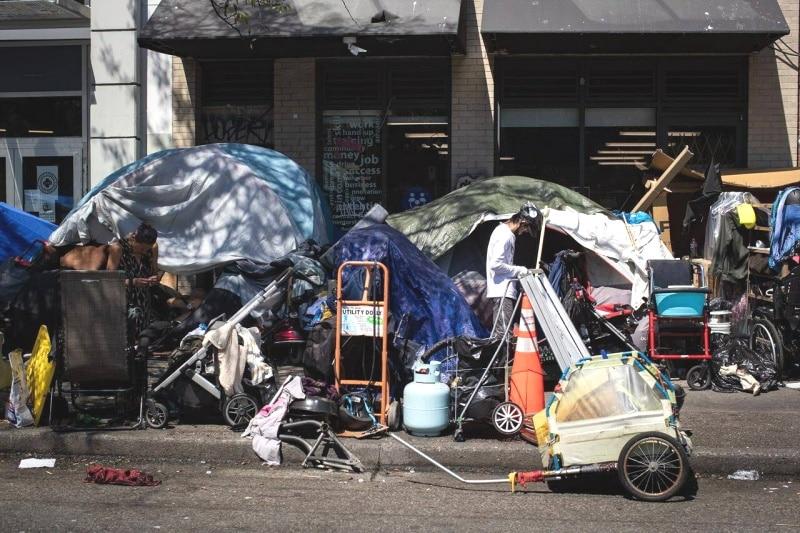
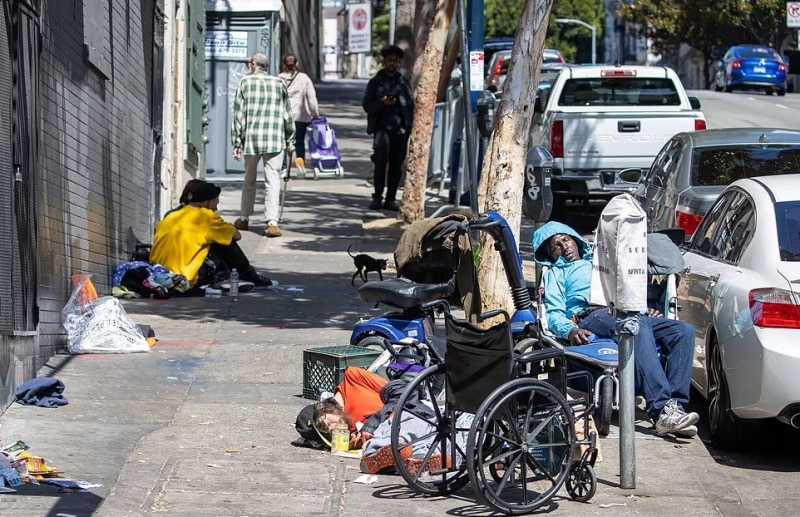
Rows of tents were pictured lined up outside businesses with people’s belongings strewn across the sidewalk.

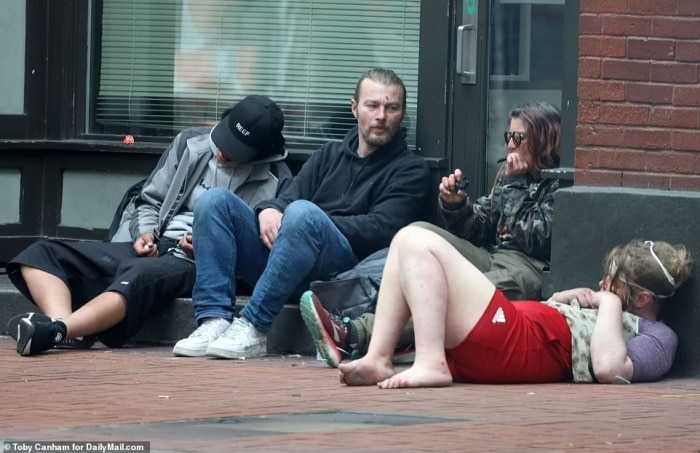
Homeless individuals, some of whom were struggling with clear physical ailments as well as drug and alcohol addiction, sat in the street right outside entrances to residential properties and small businesses struggling to bounce back after highly restrictive COVID laws forced them to close, destroying revenues.

Share

The revolution brewing in San Francisco’s Castro district sounds familiar

Olivia Murray wrote about the fact that business owners in San Francisco’s Castro district are fed up that the city is doing nothing to stop the influx of homeless into the district, complete with bodies splayed on the sidewalk, litter and, of course, human waste. For those of us who remember the city in the 1970s, this is a familiar tale—and one rife with possibilities.

Beginning in the 1960s, San Francisco had the biggest and most vibrant gay meccas in the world, located right on Castro Street, with the hub where Castro intersected with Market. By the mid-1970s, we high school students often went there for the great old movies at the Castro Theater, to visit the cool boutiques, to eat at the trendy-but-still-affordable restaurants and, naturally, take in the street scene.

Share

Subsidizing Addiction

The government pays homeless addicts to stay on drugs and alcohol

Ira, an older, soft-spoken homeless man, recently went to the Downtown Austin Community Court to see if he was eligible for free housing. One of my friends, a fellow researcher, accompanied him. Ira answered questions about his background, including about whether he had had run-ins with the law or a history of drug abuse. After the interview, the social worker at the court told Ira that his problems were not severe enough to get housing. Dejected, Ira joked, “If only I would have been a drug addict.” The social worker shrugged and responded that the community court’s housing program “takes a lot of things into consideration, but yeah.”

Share

Bidenvilles: America’s New Emblem of Decay

In French, a “bidonville” is a shantytown. A “bidon” is a large container, like the giant yellow vegetable oil bottles used to carry drinking water in developing countries.

I’ve seen plenty of shantytowns in cities from India to Togo; they are an unfortunate consequence of rapid urbanization.

What surprised me when I came home to Washington, D.C., a few months ago was seeing shantytowns both outside the State Department, where my old office was, and Union Station, near my new office.

Share

Adam Zivo: Crime at homeless encampments is becoming a national problem

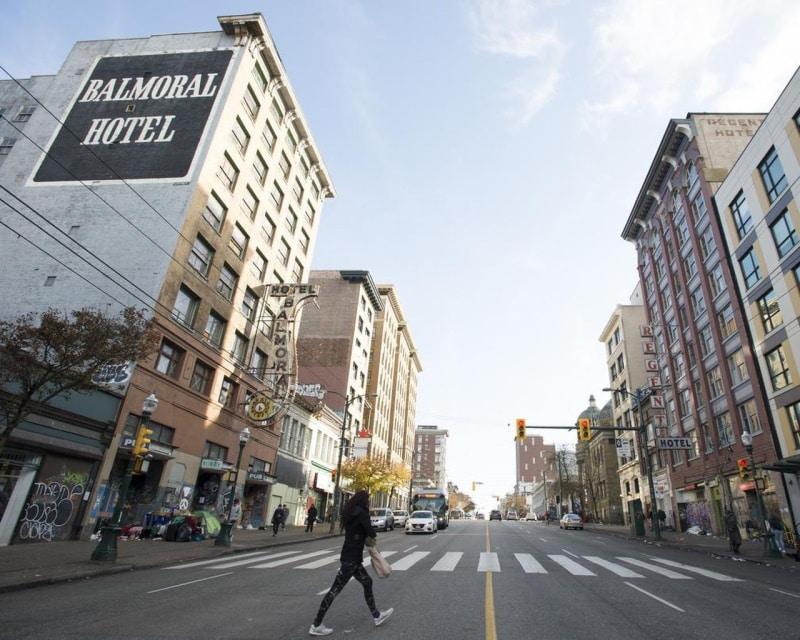
There is no shortage of evidence that residents of homeless encampments often harm surrounding neighbours through harassment, assault and vandalism. Despite this, many politicians and bureaucrats continue to whitewash homeless crime. This needs to stop, because although it’s important to support vulnerable Canadians, communities cannot simply be abandoned to lawlessness.

Share

Ilegal workers for Hamptons’ rich and famous living in squalid migrant camps among luxury homes

Illegal immigrants who mow the lawns and paint the mansions of wealthy Hamptons residents are being forced to live in hovels hidden in the woods due to the sky-high cost of residing in the summer playground of celebrities such as Jerry Seinfeld, Billy Joel and Jay-Z and Beyoncé, The Post has learned.

Squalid encampments exist around the tony town of Southampton, including just off the main highway and in the waterfront village of Westhampton Beach.

“I work for very rich people in the Hamptons but I can’t afford somewhere to live,” lamented Juan Antonio Morales, 40.

Share

California’s Epic Homeless Nightmare

What’s the matter with California? “It’s suffering from San Fransickness,” which is “pathological altruism,” answers Michael Shellenberger, author of the book San Fransicko: Why Progressives Ruin Cities.

Too many homeless people. Too little common sense. Too much magical thinking.

Shellenberger is running for governor, with a platform to undo the damage done by Gov. Gavin Newsom and the overwhelmingly Democratic Legislature with an approach to homelessness that can best be described as enabling.

Share

San Francisco’s “Housing First” Nightmare

Stuffing people who need drug or mental-health treatment into free or low-cost housing has proved disastrous.

To residents of San Francisco’s Sixth District, the deplorable conditions of single-room occupancy (SRO) hotels are no longer a great shock. In the Tenderloin, Civic Center, and South of Market neighborhoods, where most of the approximately 70 SROs are located, these city-run buildings have been terrible for as long as most can remember. And they’re getting worse.

Share

Toronto planned encampment clearing operation for months, built profiles of residents

TORONTO – The City of Toronto spent months laying out plans to clear about two dozen people from a homeless encampment in a popular park last summer, building dossiers on those living there and involving hundreds of municipal workers in the process, internal documents reveal.

The details are contained in thousands of pages obtained by activists through freedom-of-information laws.

The city documents, shared with The Canadian Press, reveal the scale of the clearing effort for Trinity Bellwoods Park – an operation that took place last June and eventually turned violent.

I have little praise for Tory but he did the right thing about the encampments.

Share