Toronto eyes cheaper, long-term shelter model as hundreds turned away nightly

New $674.5M capital plan would increase shelter beds by 1,600 over next decade

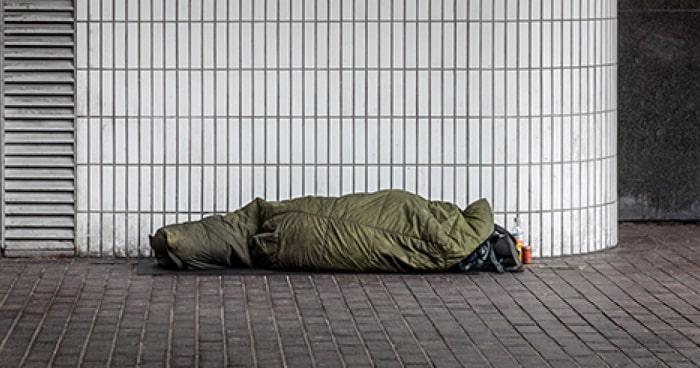
Over half of Toronto’s shelter spaces for the unhoused aren’t financially sustainable, according to city civil servants proposing a new 10-year plan to replace them with city-owned facilities.

Staff are making the pitch in a capital plan aimed at fundamentally changing the way the city operates its shelters for people experiencing homelessness.

The city added thousands of shelter beds during the pandemic to create necessary space between people using the service, signing leases with hotels to provide the accommodations. But staff have long-warned that those leases are set to expire in late 2024 and are not financially viable in the long-term.

Share

Number of ‘ghost hotels’ in Toronto contributing to housing crisis, surging prices, critics say

Advocates say short-term rentals listed on Airbnb are showing up in some Toronto condo buildings in concerning numbers, contributing to the deterioration of local neighbourhoods and the surge in rental prices.

A new analysis of City of Toronto data by non-profit advocacy group Fairbnb Canada found that 600 short-term rentals, also known as STRs, are located within three condo buildings alone.

The group’s executive director, Thorben Wieditz, says it raises concerns over whether these units are operating as “ghost hotels” without being zoned or taxed that way.

Share

After double digit rent hike, High Park tenants consider how to fight back together

After fleeing his home in Ukraine, Volodymyr Komliev and his family have found themselves a new place to live in a High Park apartment building — but after hearing about the rent increases his neighbours experienced this year, he’s worried if they’ll be able to stay.

Komliev said when they looked for a new place to live with their four-year-old daughter, they knew a big city would be expensive. But they didn’t expect rents could increase so much each year — some tenants saying they’ve received between six to 11 per cent year-over-year hikes, according to the building’s tenant association.

Mass immigration evidently helps reduce housing shortages we’re told.

Share

Average rent went up another 11% in past year — and even getting a roommate doesn’t help much

Canada’s rental crisis is getting worse, according to a new report that found the average asking price for rent in September was $2,149 — up by more than 11 per cent compared to a year ago.

That’s according a data analysis of tens of thousands of new rental listings across the country from Rentals.ca and real estate consulting and research firm Urbanation.

And according to the September report, average rents aren’t just headed up — they’re increasing at their fastest pace this year.

Share

No silver bullet when it comes to solving Toronto’s rental woes, experts say

When it comes to solving a problem as complicated as Toronto’s housing crisis, there’s no such thing as a silver bullet, says one expert.

CBC Toronto spoke to Douglas Kwan, the director of advocacy and legal services at the Advocacy Centre for Tenants Ontario, and other housing experts after hearing from hundreds of our readers about how hard it is to be a tenant in the city. We asked them about some of your most popular ideas to help curb the rampant unaffordability.

Justin will keep the immigration floodgates open so why bother speculating about a fix?

Share

Canada’s developers are building less housing despite crunch, a new study says. That could keep prices up

Despite a desperate need for new housing, Canada’s developers are building fewer homes than they were at the height of pandemic lockdowns, a new study says – and experts say that could mean a generation of Canadians won’t be able to afford homes for most of their adult lives.

Inflation and the Bank of Canada’s response to it, has been the main reason for the slowdown, according to David Macdonald, a senior economist with the Canadian Centre for Policy Alternatives (CCPA).

The new decline in housing development started last year, when the Bank of Canada started to raise interest rates to cool the economy and combat inflation, Macdonald found in a new report for CCPA.

Look what Volkswagen and Stelantis got. Makes sense to have Junior come begging.

Share

‘We’re barely making it’: Eight Canadians reveal the pain of soaring mortgage costs

In July, 2020, Bank of Canada Governor Tiff Macklem assured Canadian households that borrowing rates were very low and would stay that way “for a very long time.”

And by all appearances, it looked like he would be right. The economy was in shambles amid widespread shutdowns and sky-high unemployment because of the COVID-19 pandemic. Many turned to government financial supports to afford basic necessities and keep businesses afloat. Inflation remained low.


Bad but then there’s … Brampton landlord renting out sad room where you can’t eat meat or drink in the house

Share

Homelessness soars 32 per cent in Metro Vancouver

The 2023 homeless count has shattered the stereotypes of where people are living without a home, and who is at risk of being unsheltered.

No longer an urban issue, the count released Thursday shows huge increases in homeless people in the suburbs. For the first time, the number of unsheltered was up in every city across the region: An increase of 159 per cent in Delta, 91 per cent in Richmond, and 86 per cent in the Tri-Cities since the last count in 2020.

Share

More Canadians giving up on owning a home, say it’s only for the rich: poll

Agrowing majority of Canadians believe owning a home has become a privilege that can only be afforded by the rich, a new poll suggests, with nearly three-quarters of those surveyed agreeing.

The Ipsos poll conducted exclusively for Global News and released Friday further suggests two-thirds of Canadians have given up on ever owning a home. That number has also risen since the spring.

“Instead of the dream of homeownership, it is turning into a nightmare for an entire generation of Canadians,” said Sean Simpson, Ipsos’ vice-president of public affairs.

Share

Douglas Todd: Famous New Zealand study may not actually show mass upzoning works

It’s the study heard around the world, often cited as the answer to the housing-affordability crisis in big cities.

The research purported to show that blanket property upzoning in pricey Auckland, New Zealand, led to a dramatic increase in new housing units. It has drawn remarkable attention this year across the English-speaking world.

Share

Homelessness Explodes In Canada As Rents, Housing Prices Soar

Canada is gripped by a surge in homelessness that has seen tens of thousands of people priced out of rental and real estate markets and left to live in the streets of the wealthy nation.

Researchers warn government data is vastly underestimating the number of homeless across the country, as the social ill spreads from major cities to small towns.

In Quebec, one in two homeless people can be found in rural parts of the eastern province, instead of mainly in Montreal as had been the case in the past, according to a new report published in September.

Share

Canada is building fewer homes today than during the 2020 lockdowns — and ‘the worst is yet to come’

Luxury accommodation

As the fallout from the Bank of Canada’s interest rate hikes continues, fewer homes are being built today compared to the lowest point in the pandemic — the 2020 lockdowns — and it’s going to get worse, an economist says.

The provincial government has repeatedly claimed that Ontario needs to free up more land to build houses, but according to the report, lack of land is not the issue. Instead, the report from the Canadian Centre for Policy Alternatives finds that building has slowed because inflation and the high cost of materials has made home building less profitable for developers, and there are fears the market will slow due to higher mortgage rates.

Share

Not exactly a feel good housing story … or Don’t believe a word a Liberal says

If you can’t afford a house, a recession will help a lot more than building more homes

“When there’s dynamic demand, there’s just no way that increasing supply is going to all of a sudden reduce prices by 10, 15 or 20 per cent,” Mr. Clayton said. “The only way to do that is what happened back in the late latter 1980s and early ‘90s, and in the first half of the ‘70s – have a big recession, lose a lot of jobs.”

Share