Canada is granting B.C.‘s request to once again ban the public use of illicit drugs, Mental Health and Addictions Minister Ya’ara Saks said on Parliament Hill on Tuesday.
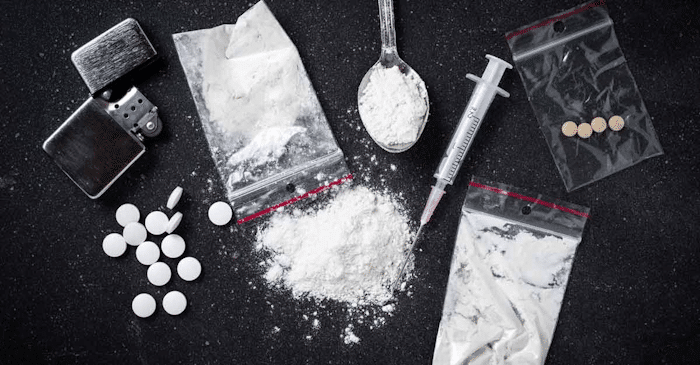
B.C. currently has a three-year Criminal Code exemption for possession of drugs like heroin, cocaine and methamphetamines as well as public use.
A request by Canada’s biggest city to move forward on drug decriminalization is in limbo, facing significant provincial opposition and renewed political debate prompted by a partial rollback of B.C.’s existing policy.
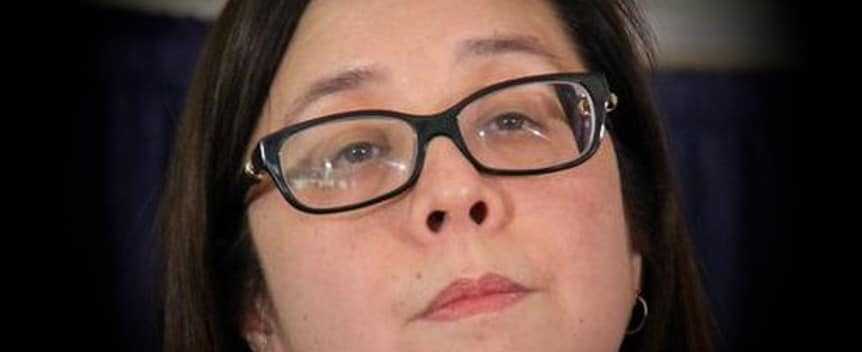
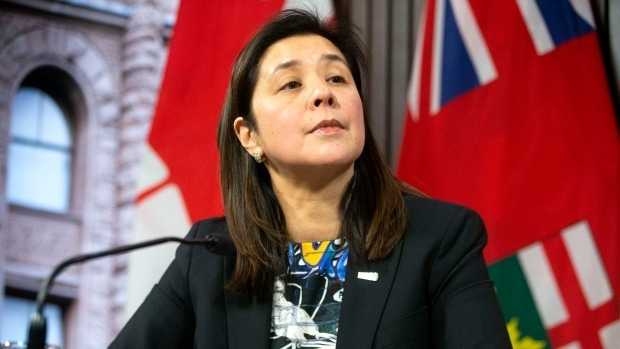
Toronto put forward a request to the federal government in 2022, and provided additional information in 2023, Dr. Eileen de Villa, the city’s medical officer of health, said in an interview on Rosemary Barton Live that aired Sunday.
“Fundamentally, what that’s about is recognizing that addiction is, at its core, a health issue not a criminal issue,” she told CBC chief political correspondent Rosemary Barton.
Toronto may be seeking federal permission to decriminalize illegal drugs, but Prime Minister Justin Trudeau hinted the city may need broader support from the Ontario government, which currently rejects the proposal.
Ottawa needs to work with “all partners, including provinces” on any decriminalization proposals, Mr. Trudeau told reporters during a May 3 press conference in Hamilton, Ont.
It was over a year ago, last March, when Toronto’s Medical Officer of Health Eileen de Villa went rogue and submitted an expanded application to the federal government to see Canada’s largest city exempt kids and teens from the criminalization of hard drug possession.
British Columbia has taken a step back in its drug decriminalization pilot, the latest twist in its decades-long push for more and more permissive approaches to drugs.
The B.C. government’s guiding idea has been that destigmatizing drug use is the key to helping addicts, but it has long faced pushback on this approach due to public safety concerns.
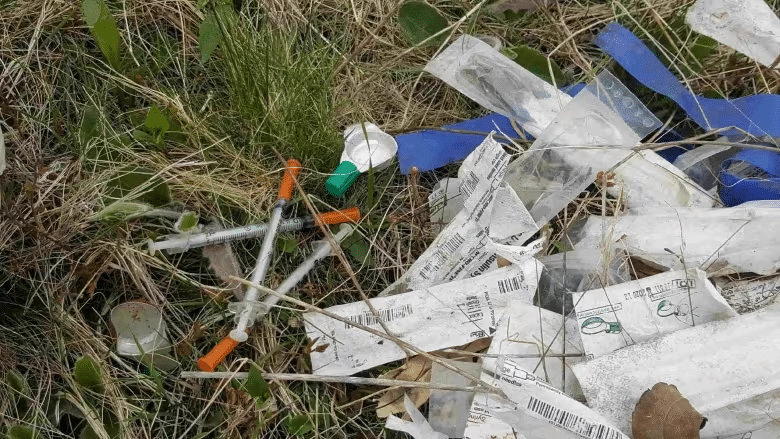
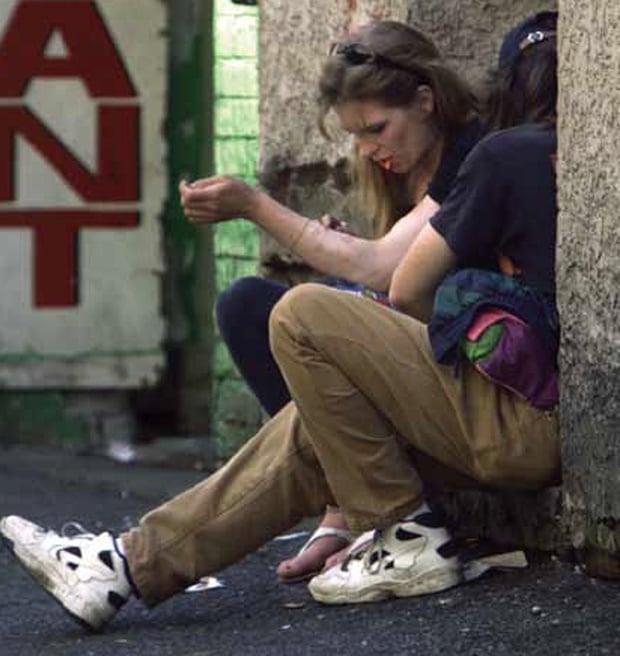
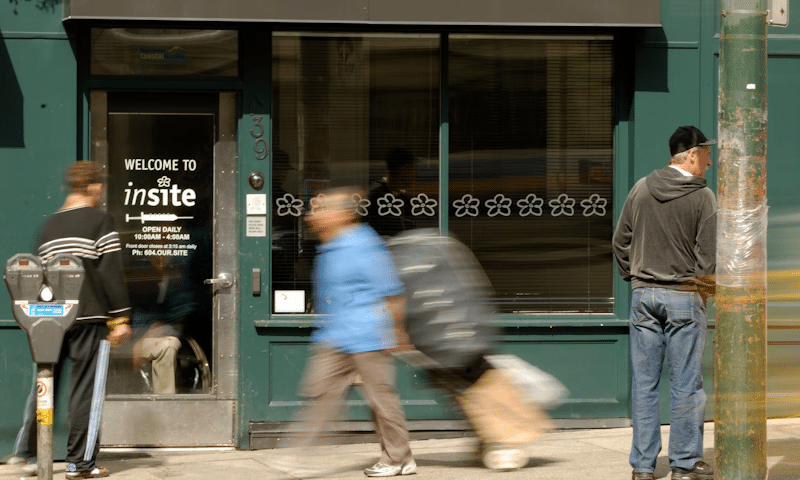
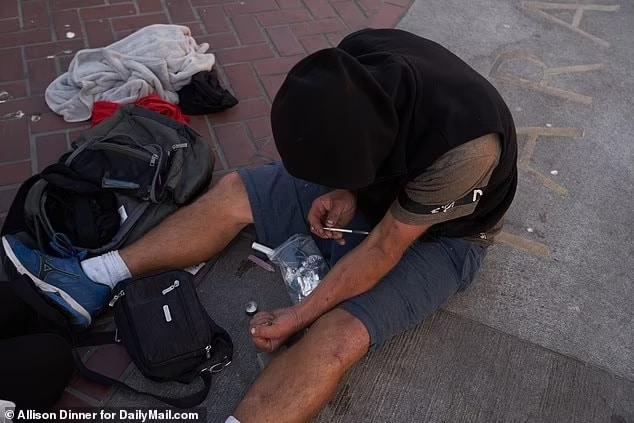
History is repeating itself in a way, with current events mirroring the province’s experience throughout the 1990s and 2000s. But the situation has intensified—it’s not just about needle exchanges or designated injection sites anymore. Now, it’s about rampant drug use in all sorts of public places, hospitals included.
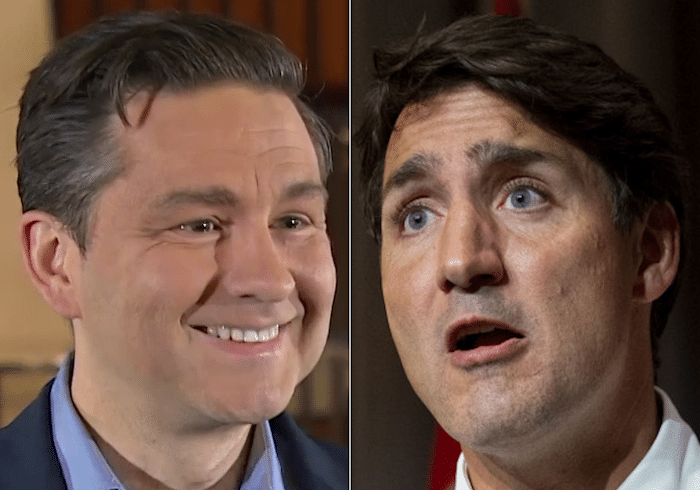
OTTAWA—Conservative Leader Pierre Poilievre says Torontonians will be left to a life of misery and despair if Prime Minister Justin Trudeau doesn’t reject the city’s application to decriminalize illicit drugs for personal use.
In a letter released Wednesday to Trudeau, Poilievre argues that the federal government’s decision to allow the decriminalization of certain drugs in B.C. has caused chaos throughout the province and can’t be allowed to be repeated.
I’ve just discovered a whole bunch of online posts and institutional releases insisting that it’s unlikely someone will die from second-hand fentanyl smoke and that such smoke isn’t really that big of a deal.
It’s incredible, really. First, that there are enough people being exposed to fentanyl smoke as they go about their lives that they’re now seeking information on it. Second, that those who want an increasingly lax approach to drug culture are trying to tell people that this is no biggie.
OTTAWA — Conservative Leader Pierre Poilievre lambasted the federal Liberals on Monday for not having yet approved British Columbia’s request to scale back its decriminalization policy for illicit drugs — a request made official on Friday.
The debate became heated in the House of Commons after Minister of Mental Health and Addictions Ya’ara Saks said that she had met with her B.C. counterpart and that she and Health Canada officials were reviewing the province’s exemption request.
British Columbia has abruptly reversed course on its landmark experiment decriminalizing the possession of certain illicit drugs, citing mounting public frustration and “disorder” in the Canadian province.
Premier David Eby said on Friday that he had asked the federal government to reintroduce a ban on public drug use, formally ending the country’s first large attempt to gauge the effects of decriminalization.
“Keeping people safe is our highest priority. While we are caring and compassionate for those struggling with addiction, we do not accept street disorder that makes communities feel unsafe,” Eby said.
David McEvoy was a heroin addict for 30 years before he got sober in the early 2010s. He stayed away from Ottawa’s drug scene after that and was largely ignorant of its dynamics until three years ago, when he began working as an addiction outreach worker specializing in overdose prevention and education.
B.C. has banned all illicit drug use – except inside people’s homes, drug-checking sites or supervised consumption sites – rolling back its decriminalization pilot project after significant criticism from mayors, provincial and federal conservative politicians as well as a recent outcry from health care workers put at risk by patients using drugs in hospitals.
Drug abuse isn’t just an individual plague. The consequences of drug use extend far beyond the individual user, though decriminalization advocates often don’t acknowledge this reality. As with no-fault divorce, orienting public policy purely around the desires of adults has disastrous consequences for children.
A Quebec Superior Court judge has authorized a class-action suit that alleges 16 pharmaceutical companies misled people regarding the safety and addictive nature of opioids.
People who have been diagnosed with opioid use disorder in Quebec since 1996 may be covered by the lawsuit.
Some of the respondents are the same companies that produce the opioids purchased by federally and provincially funded safer supply programs
British Columbia is planning to designate spaces for illicit drug use at hospitals in response to concerns from unions and opposition politicians about patient consumption of illegal drugs and nurses being exposed to drug-related risks.
The province will convene a task force to standardize provincial policies across health authorities, Health Minister Adrian Dix said at a press conference this week.







 Last week I described how easy it is to