
There is no plan to feed Britain in a crisis
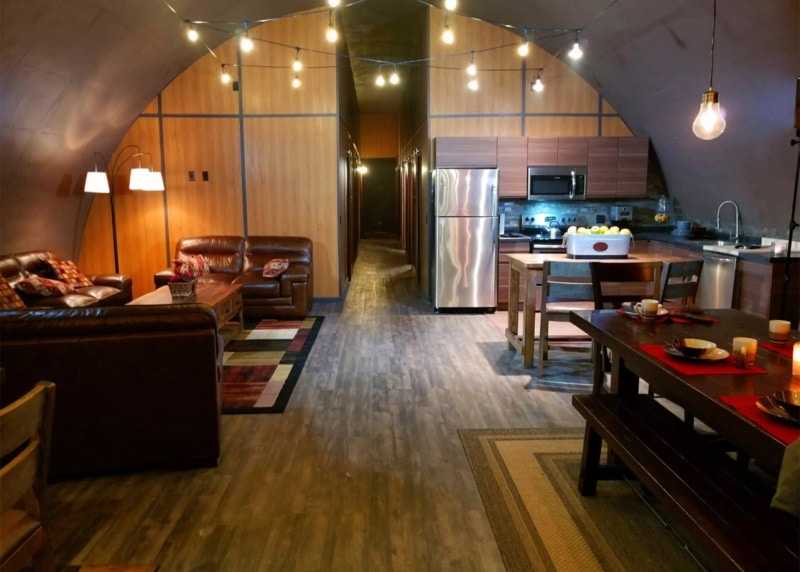
In the dystopian drama The Last of Us, a fungal virus has spread through foodstuffs turning infected humans into zombies. The survivors live in ghettos, among the ruins, armed to avoid a gruesome living death. They grow their own food to avoid the infected produce. Preppers and survivalist whackos find that their hour has come. Clean food has become a precious thing.
That’s where my interest in the show kicked in, because the future of our food system is something that I’m a little obsessed with. I am haunted by the memory of those empty supermarket shelves during the Covid pandemic, which didn’t quite lead to a food panic, but sent chills through anyone thinking about food security. We learned then that our just-in-time food system wasn’t very resilient and seemed vulnerable to collapse if given a major shock. (Spoiler Alert: Covid is nowhere near the grim end of the scale for disaster planning.)






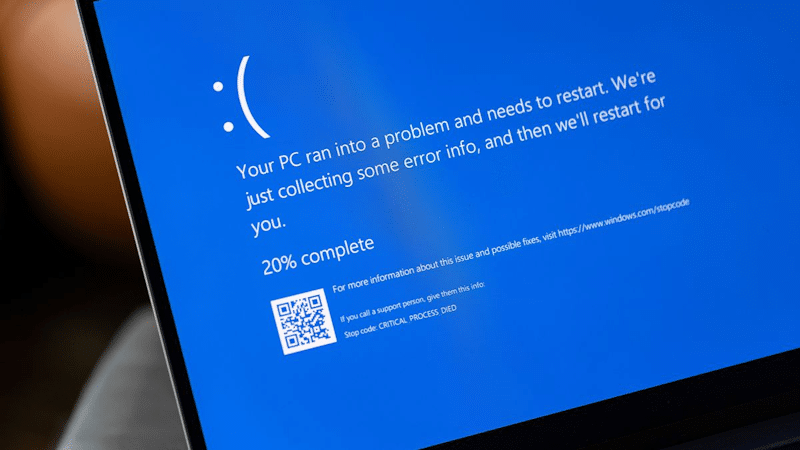

 However, as shown by recent ransomware attacks on everything from hospitals to libraries, we often aren’t ready for sophisticated attacks on our technology. Our systems were built to be operationally reliable, but were not designed to be resilient to the efforts of determined adversaries who want our information or money. And this situation could get significantly worse. New technology has put a timer on our current