The clandestine network smuggling Starlink tech into Iran to beat internet blackout

The clandestine network smuggling Starlink tech into Iran to beat internet blackout

“If even one extra person is able to access the internet, I think it’s successful and it’s worth it,” says Sahand.

The Iranian man is visibly anxious, speaking to the BBC outside Iran, as he carefully explains how he is part of a clandestine network smuggling satellite internet technology – which is illegal in Iran – into the country.

Sahand, whose name we have changed, fears for family members and other contacts inside the country. “If I was identified by the Iranian regime, they might make those I’m in touch with in Iran pay the price,” he says.

Share

US threatens shipping firms with sanctions if they pay Iran tolls

US threatens shipping firms with sanctions if they pay Iran tolls

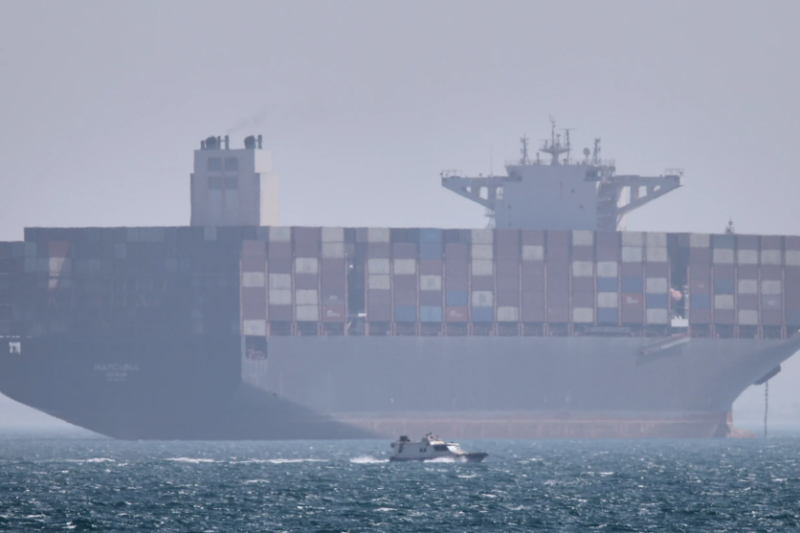
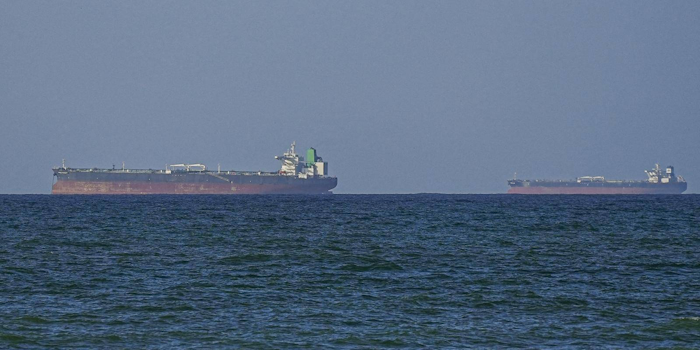
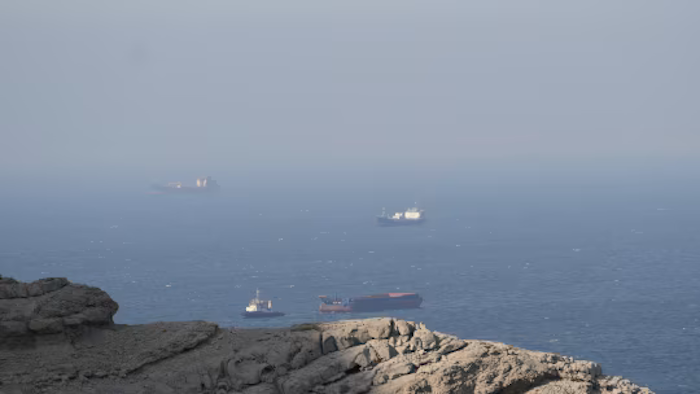
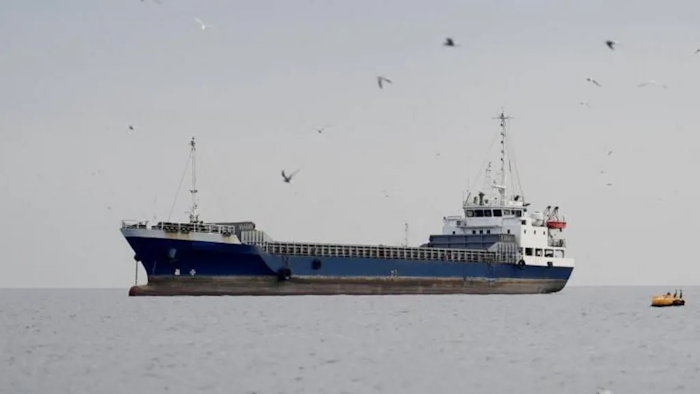
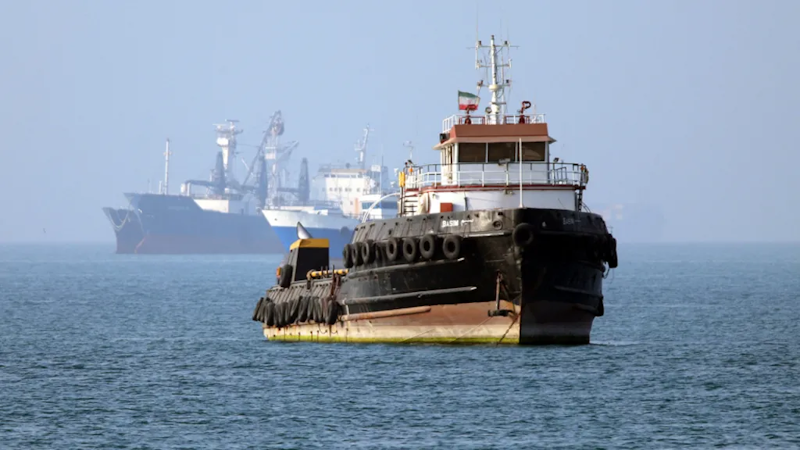
The US has warned shipping companies they could face sanctions if they pay Iran for safe passage through the Strait of Hormuz.

An alert on Friday by the US Office of Foreign Assets Control (OFAC) warned US persons and companies were generally banned from paying Iranian government entities, and non-US persons may risk exposure to sanctions if they pay.

“Maritime industry participants involved with vessels calling at Iranian ports face significant sanctions risk under multiple sanctions authorities targeting Iran’s shipping sector and ports”, OFAC said.

Share

Whisper it, but Trump’s blockade is working

Whisper it, but Trump’s blockade is working

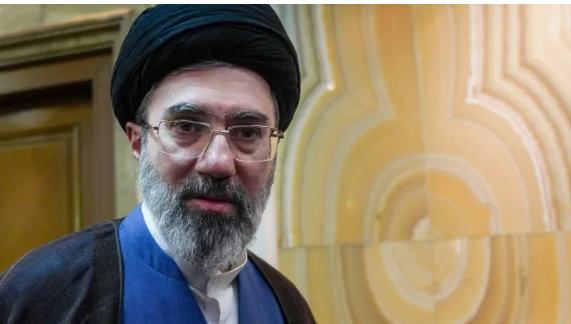
Foreigners who commit evil belong in the depths of the water, apparently. That’s according to Mojtaba Khamenei, Iran’s new supreme leader, who is badly wounded, living like a rat underground and reduced to handwriting his words of wisdom, or having them handwritten for him.

Did nobody point out that when his father, Ayatollah Ali Khamenei, posted on X that an American warship was less dangerous than “the weapon that can send that warship to the bottom of the sea”, it heralded his death 11 days later?

Share

The War’s Severe Damage to Iran’s Economy Comes Into View

The War’s Severe Damage to Iran’s Economy Comes Into View

The economic toll of more than two months of war is visible in Iran, as a U.S. naval blockade and the effective halt of the Islamic Republic’s maritime trade triggers mounting pressure across the economy. The sharp depreciation of the Iranian rial is the clearest sign so far of a broader economic breakdown now unfolding.

On April 29, 2026, the U.S. dollar surged 12 percent against Iran’s national money in a single day to nearly 1.8 million rials, marking one of the steepest daily declines in the currency’s history. The rial had already lost 4 percent of its value between April 20—one week after the U.S. blockade began—and April 28, but the subsequent collapse suggests the currency crisis may be entering a more accelerated phase.

Share

To the Trump Administration: Beware the So-Called Moderates

To the Trump Administration: Beware the So-Called Moderates

No one since the establishment of the Islamic Republic of Iran in 1979 has read the Iranian regime better than US President Donald J. Trump. Despite the criticism from commentators, the opposition party, social media voices, and members of the foreign policy establishment, no political leader has understood Tehran’s methods more clearly, or acted against them with greater decisiveness. Many negotiated with Iran’s regime. Many hoped it would change. Trump recognized a central truth that others have either ignored or refused to confront: the Iranian regime survives by deception, delay, and the constant purchase of time.

Share

Iran war ‘likely’ to restart, senior Tehran official warns after Trump says US might be ‘better off’ without deal

Iran war ‘likely’ to restart, senior Tehran official warns after Trump says US might be ‘better off’ without deal

The war between the US and Iran is “likely” to restart, a senior Iranian official predicted on the heels of comments by President Trump that the US might be “better off” without an agreement.

A “renewed conflict between Iran and the United States is likely,” said Mohammad Jafar Asadi, a high-level officer in Iran’s Islamic Revolutionary Guard Corps.

Share

The teenagers on death row for daring to defy Tehran regime

The teenagers on death row for daring to defy Tehran regime

Shortly before the call to prayer, the guards will lead Matin Mohammadi out and into the light one last time. He’ll be jolted awake by the clanging of his cell’s iron door, as he is most mornings, taken into the prison courtyard and hanged.

It’s the fear that occupies the 17-year-old’s mind when he goes to sleep in Ghezel Hesar prison just west of Tehran, waking each morning to mark another day survived but still on borrowed time.

Share

Iran offers new peace proposal to US but Trump ‘not satisfied’

Iran offers new peace proposal to US but Trump ‘not satisfied’

Iran has passed a new proposal to Pakistani mediators in the latest effort to end the war with the US, but Donald Trump said he was not “satisfied” by it.

“Right now, we have talks going on, they’re not getting there,” he told reporters, adding that his options remained “either blast them away or make a deal”.

Trump did not elaborate on what he saw as the latest proposal’s shortcomings, but said: “They’re asking for things I can’t agree to.”

Share

The Trump Administration Could Be Preparing Iran’s Final Blow With This Move

The Trump Administration Could Be Preparing Iran’s Final Blow With This Move

President Trump could be preparing a final blow against the Iranian regime, with just 24 hours left before the War Powers Resolution’s 60-day clock expires Friday night.

The president told reporters Thursday that, despite the regime’s aggressive posturing, it is privately begging a deal behind closed doors.

If the regime instead chooses to continue fighting, the president has been briefed by Central Command on the potential use of a new type of weapon, as well as final military plans the U.S. could pursue to bring the conflict to a definite end.

Share

Don’t Be Fooled by Hormuz—Global Oil Demand Isn’t Going Away

Don’t Be Fooled by Hormuz—Global Oil Demand Isn’t Going Away

Alternative-energy advocates see an opening, but reality points to more oil drilling, not less.

One-fifth of global oil trade transits the Strait of Hormuz, a strategic risk that, given current events, has shattered supply-chain complacency in world energy markets. Similarly shattered is the illusion that the world is any less dependent on oil today than it was during the epoch-setting 1973–74 Arab oil embargo.

Supply-chain complexities in energy markets make forecasting a fraught business. As one complexity expert notes, “small perturbations can produce disproportionately large effects.” When it comes to energy realities, however, the “direction of travel”—the International Energy Agency’s favored phrase—is robustly predictable.

Share

Trump warns Iran: ‘No more Mr Nice Guy’

Trump warns Iran: ‘No more Mr Nice Guy’

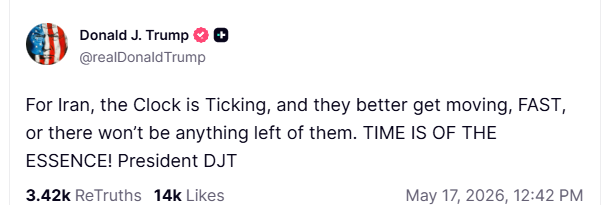
Donald Trump warned there would be “no more nice guy” in negotiations with Iran as he prepared to extend a naval blockade in the Strait of Hormuz.

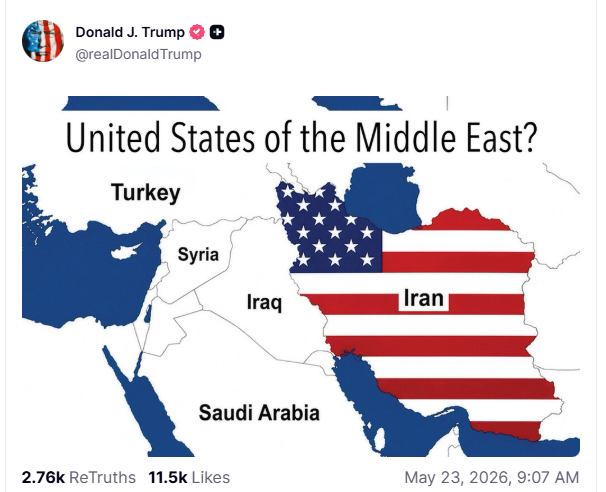
The US president posted an AI-generated image of himself holding a rifle in front of several explosions and ordered Tehran to “get smart”.

He wrote: “Iran can’t get their act together. They don’t know how to sign a non-nuclear deal. They better get smart soon!”

Share

If Iran Had a Second Amendment, the Regime Would Already Be Gone

If Iran Had a Second Amendment, the Regime Would Already Be Gone

If the people of Iran had the right to bear arms, the regime that oppresses them would no longer be in power. That’s not far-fetched speculation. It’s a reality we can see by looking at how power works inside the Islamic Republic of Iran. When only the state has weapons, only the state has power. Defenseless citizens cannot rise up against a brutal regime.

Share

Iranians Feel the Pain as Their Economy Descends Into a Death Spiral

Iranians Feel the Pain as Their Economy Descends Into a Death Spiral

War has imposed a heavy cost on Iran’s economy: more than a million people out of work, soaring food prices and a prolonged internet shutdown that has slammed online businesses.

The question is how much more pain Iran’s leaders are willing to tolerate as they try to negotiate a favorable end to the war.

Talks between the U.S. and Iran have stalled. American officials are betting that Iran will soon crack because of the deepening economic crisis. Iran is betting the U.S. will crack first and end its blockade of Iranian ports to calm global markets and bring down American gasoline prices.

Share

Trump Says That Iran Caved on the Strait of Hormuz Closure

Trump Says That Iran Caved on the Strait of Hormuz Closure

President Donald Trump announced on Tuesday that the genocidal Iranian regime is collapsing and ready to cave on reopening a key economic waterway.

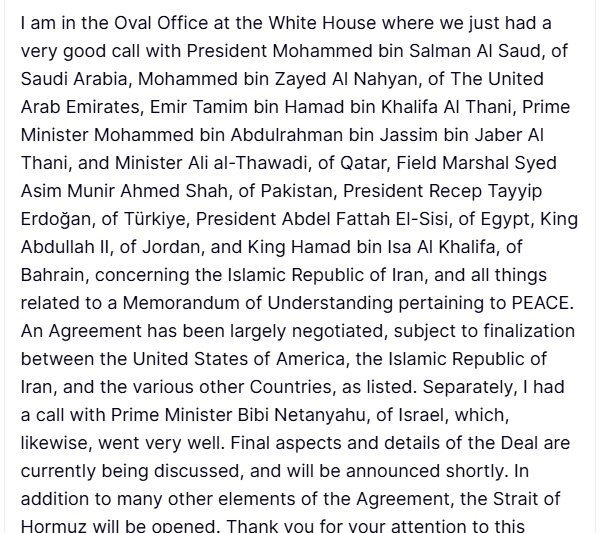
The U.S. Navy has been enforcing a partial blockade of the Strait of Hormuz after the Iranian regime refused to remove its mines from the strait and repeatedly attacked ships sailing through it. But on April 28, Trump posted on Truth Social, “Iran has just informed us that they are in a ‘State of Collapse.’ They want us to ‘Open the Hormuz Strait,’ as soon as possible, as they try to figure out their leadership situation (Which I believe they will be able to do!). Thank you for your attention to this matter!” Apparently, Iran’s oil crisis grew too desperate.

Share

U.A.E.’s OPEC Exit Deals Major Blow to Cartel Amid Middle East Oil Squeeze

U.A.E.’s OPEC Exit Deals Major Blow to Cartel Amid Middle East Oil Squeeze

The United Arab Emirates said it would leave OPEC, dealing a heavy blow to the oil cartel as the war in Iran scrambles alliances and investment priorities among the world’s top oil producers.

The sudden departure of OPEC’s third-biggest producer further weakens a bloc that despite producing up to four out of every 10 barrels of oil pumped worldwide has been hobbled by internal disunity and the rise of American oil output.

The war in Iran has piled on more pressure by exacerbating rifts among the Arab countries at the core of the group and by closing the Strait of Hormuz, through which the group’s biggest producers export most of their oil, making it impossible for the group to influence the market during its biggest supply shock.

Share