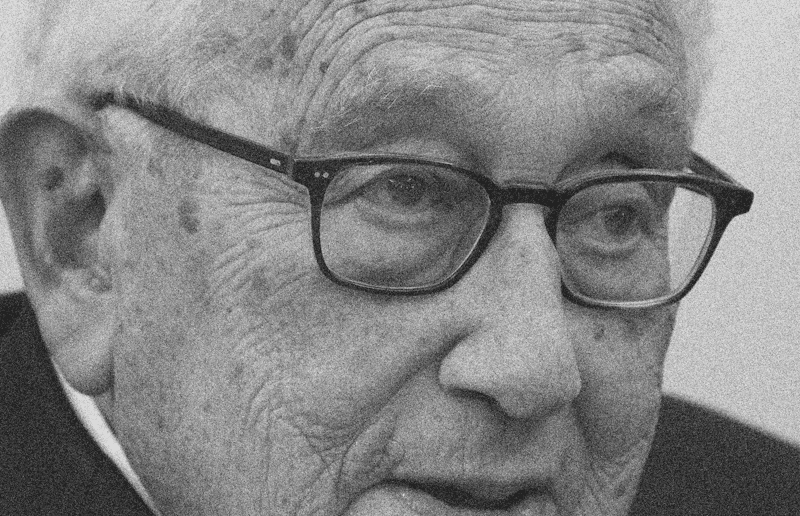
Henry A. Kissinger, the scholar-turned-diplomat who engineered the United States’ opening to China, negotiated its exit from Vietnam, and used cunning, ambition and intellect to remake American power relationships with the Soviet Union at the height of the Cold War, sometimes trampling on democratic values to do so, died on Wednesday, according to a statement that was released by his consulting firm. He was 100.
He died at his home in Connecticut.
h/t SDMatt


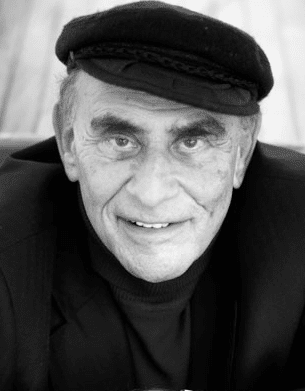 In September, 1940, on the night before he and his parents landed at Halifax’s Pier 21, the 11-yr-old Czech war refugee Petă Neumann stayed up late to gaze out at the Atlantic and imagine the land where they were about to make their new home. It had been a harrowing months-long run from the Nazis, he later wrote: The family had secured visas mere days before they would have been deported from Venice to certain death in Czechoslovakia; lain helpless on the beach at Biarritz, France, as a Luftwaffe gunner rained death from above; and survived the U-boat torpedoing of their convoy to Canada. Ahead of them now, young Petă envisioned more adventure in the mysterious “land of eternal snow” he had seen in