To survive the geopolitical turmoil of the 21st century, the West needs to revive its industrial base.
As recent events in Iran have so aptly demonstrated, technological progress married to industrial might produces the most tangible form of power. In the recent conflict in the Middle East, this meant that a second-tier power like Iran was clearly outmatched – first by Israel, then by America.
The West needs to learn this lesson and apply it to its rivalry with a far more formidable foe: China. Unlike the theocrats of Tehran, China’s ambitions are distinctly material. And, until recently, China has made tremendous headway facing relatively little, and largely ineffective, Western opposition.
I’ve been throwing punches and kicks for the better part of a decade now. Boxing, kickboxing, the usual rotation of compound movements in the gym — nothing revolutionary, just the steady accumulation of speed and skill that comes from consistent work. It’s meditative, really. The rhythm of training, the incremental progress, the quiet satisfaction of knowing your body can do what you ask of it.
But something curious has happened in recent years, something that crystallized when my fiancée asked me a question that stopped me cold: “Is this what men find attractive now?”
The war in Ukraine, tensions in the Middle East, tariffs, inflation and so on and so forth. It sometimes feels like there’s no end to bad news, and, especially in the age of doom scrolling, that can take a toll on people’s mental wellbeing. As a consequence, more and more people actively try to avoid the news or at least ration their exposure to it.
Forget polyamory. The new normal is solitude, anxiety, and performative healing.
In a new report that should unsettle anyone still clinging to the illusion that our species is thriving, nearly 20 percent of Gen Z respondents say they no longer believe monogamy is realistic. At first glance, this might conjure images of polyamory, open relationships, and fluid arrangements between confident, liberated adults unshackled from centuries of ideals.
But the reality is very different, and in many ways, much more disturbing.
When did the devil disappear? The image of Satan persists, but mostly as kitsch. The few who believe in him are typically portrayed as unserious, even gauche. The prevailing view holds that progress has vanquished the superstitions of earlier, more fearful, eras. It matters little, apparently, that the twentieth century was the bloodiest in history.
Violence is more widespread today than it has been in decades, with armed conflict touching every major region, according to data analysed by The Telegraph.
Last year, varying levels of conflict were reported across at least 50 different countries, from the civil war in Myanmar to extreme violence between drug cartels in Mexico, according to the Armed Conflict Location & Event Data (ACLED).
Experts predict that the trend will probably continue throughout 2025 and beyond.
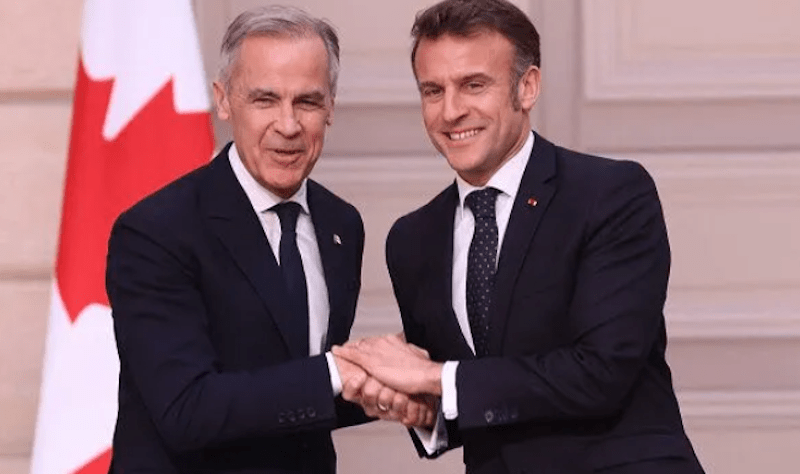
When Emmanuel Macron beat Marine Le Pen handsomely to reclaim the French presidency in 2022, the liberal establishment was in ecstasy. Their verdict that the centre was holding was as understandable as it was unfounded. In reality, Macron’s second term helped the ultra-Right become France’s strongest political force. Last week, Mark Carney and Anthony Albanese defeated their Trumpish opponents to retain the prime ministerships of Canada and Australia, respectively. Once again, news of the revival of the political centre may prove a centrist delusion.
Yesterday’s much-discussed debate between Douglas Murray and Dave Smith, hosted by Joe Rogan, almost perfectly epitomises the divide on the political Right. Murray is a neoconservative intellectual and one of the most prominent public defenders of Israel; Smith is an anti-war libertarian comedian and firm anti-Zionist. The conflict in Gaza has provided a clear fault line for their differences to be exposed.

 What did I do today?





 Voters want the system upended