Death toll from America’s big freeze rises over 50

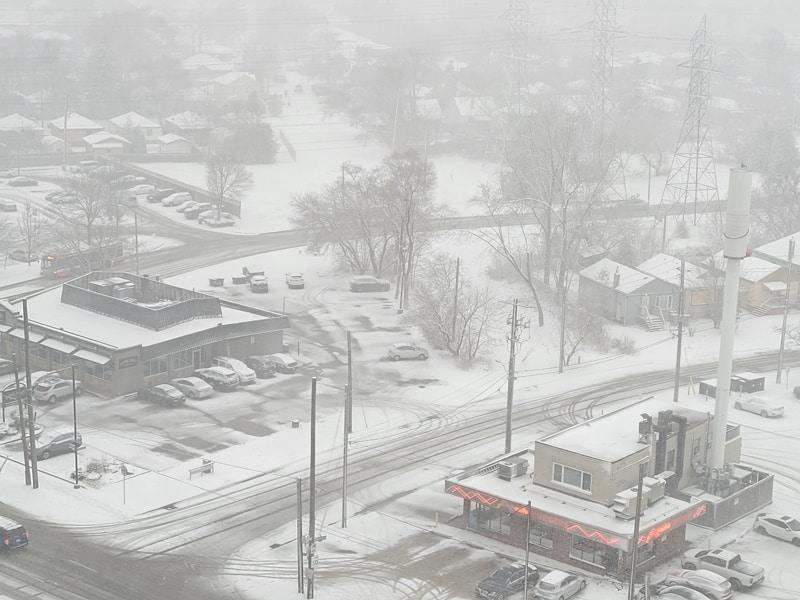
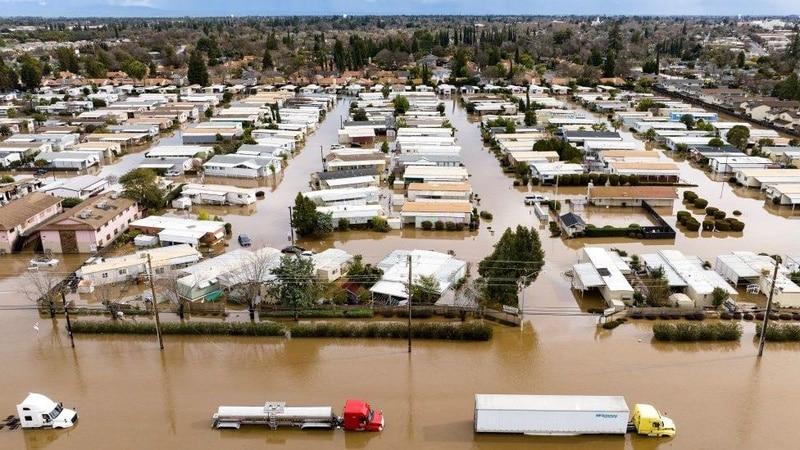
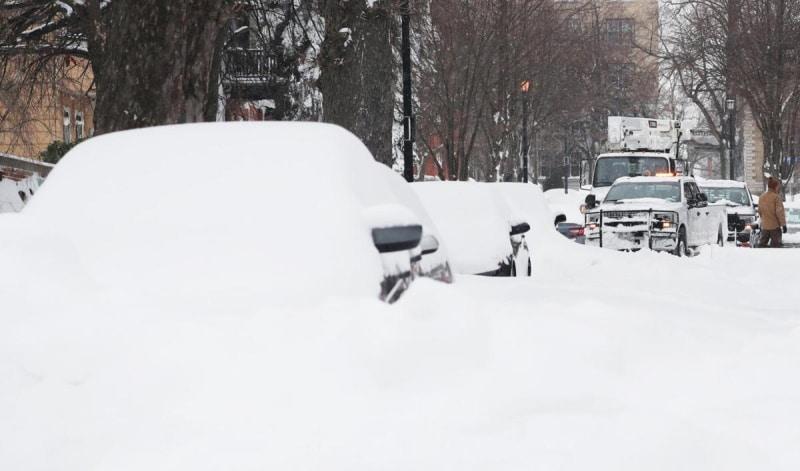
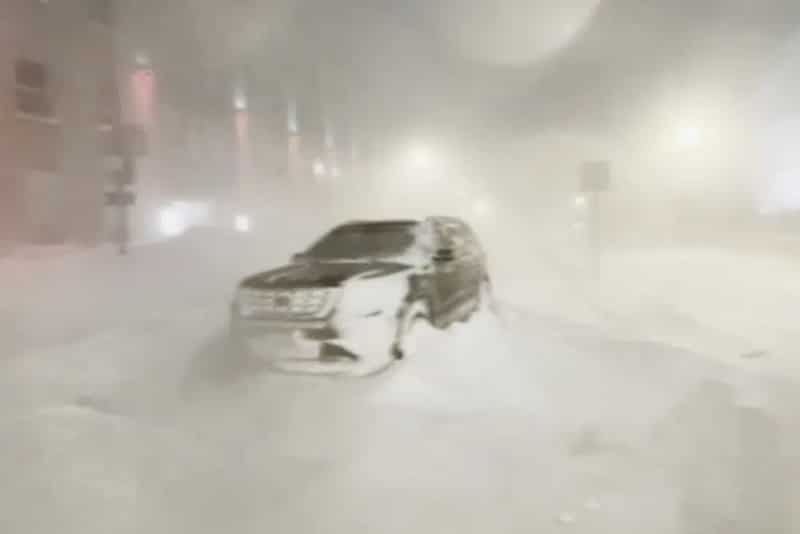
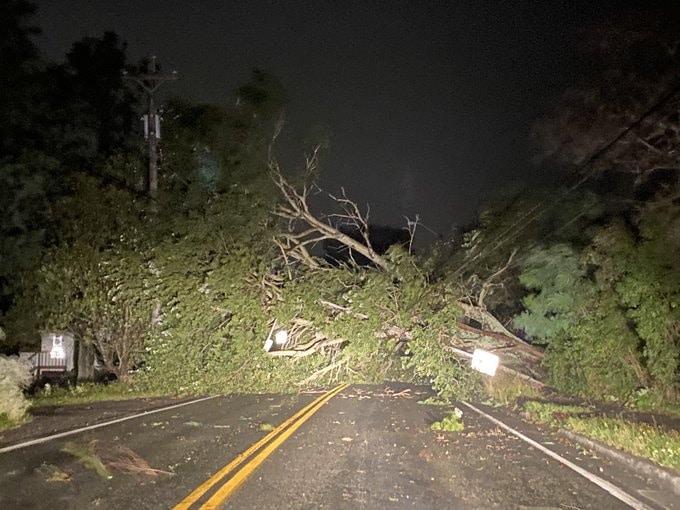
The bomb cyclone that has brought freezing temperatures and up to six feet of snow to North America has caused at least 50 deaths across the US and Canada.

The US recorded 46 fatalities and four more people died on Christmas Eve after a bus rolled over on icy roads in British Columbia, Canada.

The deep freeze is linked to 18 deaths in the state of New York, particularly in Buffalo where the ‘lake-effect’ – when frigid air moves over warmer lake waters and creates a freezing spray – has been lethal.

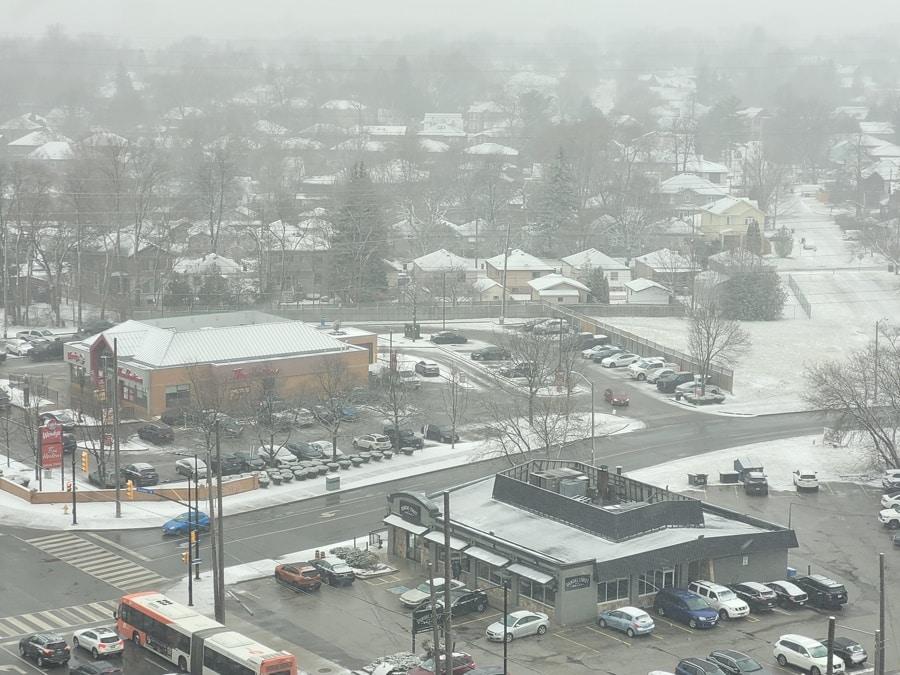
Toronto and the GTA were spared the worst of it. I went for a visit to Hamilton on Christmas Eve day, the roads were clear and dry but the wind and cold were fierce.

From Mauser

Share

Alaska snow crab season canceled as officials investigate disappearance of an estimated 1 BILLION crabs

The famed snow crab fishing season in Alaska’s notorious Bering Sea is canceled for the first time in the state’s history. The cancelation was confirmed on Monday.

The decision comes as officials announced that one billion snow crabs have gone missing from the sea. An investigation into the disappearance by government agencies is continuing.

According to the Alaska Department of Fish and Game, over the last two years, the snow crab population has dropped by around 90 percent.

Being TV Stars may have gone to their heads. Or the Chinese ate them.

Share

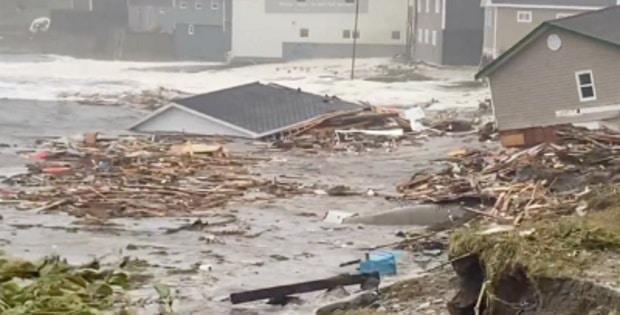
‘Total devastation’ as Port aux Basques declares state of emergency due to post-tropical storm Fiona

Communities in southwestern Newfoundland are grappling with significant damage, including lost homes, flooding and road washouts due to post-tropical storm Fiona.

Everything east of town hall in Port aux Basques is under an emergency evacuation order as the town is pounded by severe winds and storm surge.

“What’s actually happening here is total devastation,” said Mayor Brian Button.

Share

Fiona washes houses away, knocks out power in Canada

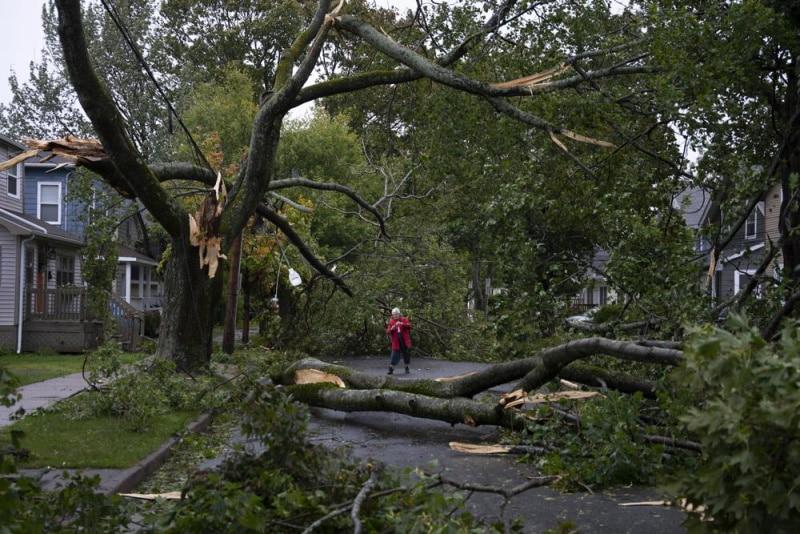
HALIFAX, Nova Scotia (AP) — Houses have been washed into the sea, roofs have been torn off and Fiona knocked out power to almost all of one Atlantic Canadian province and 80 percent of another Saturday, as it made landfall as a big, powerful post-tropical cyclone.

Fiona transformed from a hurricane into a post-tropical storm late Friday, but it still had hurricane-strength winds and brought drenching rains and huge waves.

Ocean waves pounded the town of Port Aux Basques on the southern coast of Newfoundland, where entire structures were washed into the sea. Mayor Brian Button said Saturday over social media that people were being evacuated to high ground as winds knocked down power lines.

Share

Hundreds of thousands without power as Fiona makes landfall

Hundreds of thousands of customers in the Maritime provinces are without power as post-tropical storm Fiona brings intense, hurricane-strength winds and torrential rains to large swaths of Nova Scotia, Prince Edward Island and New Brunswick.

Fiona made landfall in Nova Scotia shortly after 3 a.m. ET between Canso and Guysborough.

Share

Jackson, Mississippi has ‘no water to drink or flush toilets’

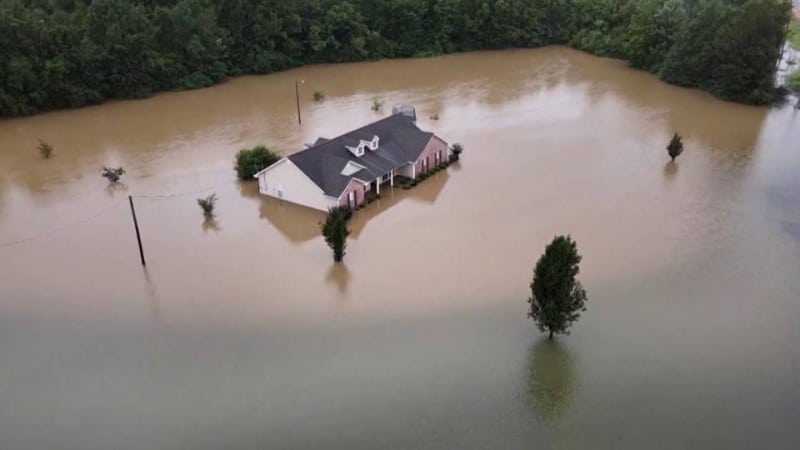
Some 180,000 residents in Jackson, Mississippi have “indefinitely” lost access to reliable running water after excessive rainfall and flooding.

Rising floodwaters over the weekend breached the city’s main water treatment facility, bringing it to the brink of collapse.

A state of emergency has been declared, and schools, restaurants and businesses have temporarily closed.

The city had already been under a boil-water notice for a month.

Share

Historic monuments resurface as severe drought shrinks Spain’s reservoirs

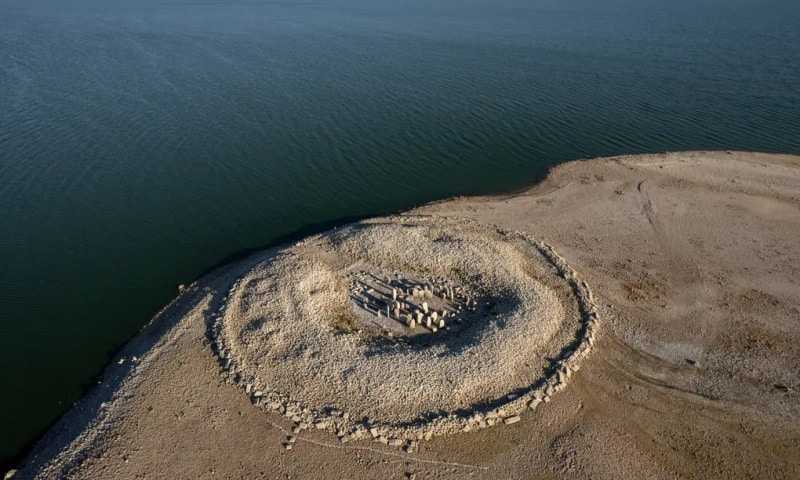
A huge megalithic complex and a centuries-old church are among the underwater monuments to have resurfaced in Spain as a severe drought causes water levels to plunge.

After a prolonged dry spell, Spain’s reservoirs – which supply water for cities and farms – are at just under 36% capacity, according to environment ministry figures for August.

In Spain’s western Extremadura region, the receding waters of the Valdecañas reservoir have revealed a prehistoric stone circle on an islet that is normally underwater.

Share

Drinking recycled sewage ‘is the future’

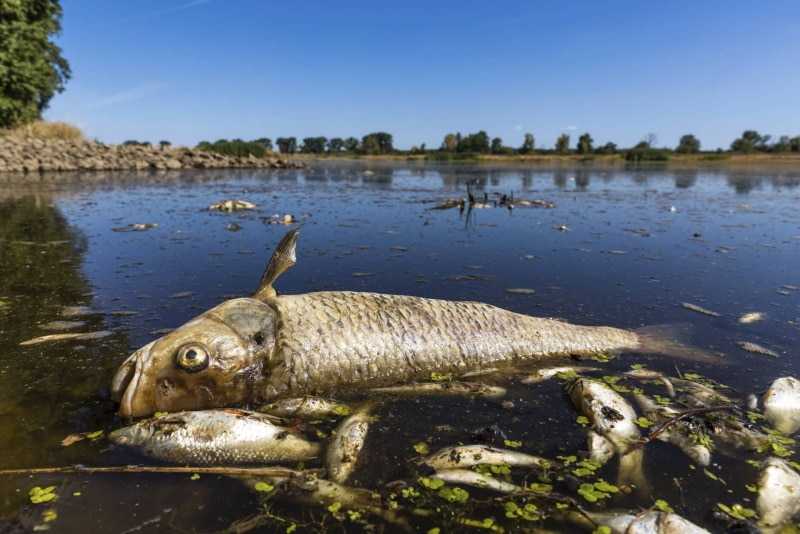
This summer we’ve seen things we never thought we’d see — temperatures of 40C and above in Britain and months of unusually dry weather that have broken records for low rainfall. Many of our rivers and reservoirs are exceptionally low, and millions are subject to a hosepipe ban.

In continental Europe the picture is even starker. In Germany, the Rhine is at such low levels that ships cannot move, and France is send water by tanker to hundreds of places where the taps have run dry.

Share

What China’s worst drought on record looks like

A month-long heatwave and record low rainfall have resulted in an unprecedented drought along the Yangtze, China’s longest river.

Lakes and tributaries have receded as a result of the drought, exposing riverbeds and even a 600-year-old Buddhist stone carving and rocks below the famous Guanyin Pavilion, in Wuhan, Hubei province.

Share

Europe’s drought the worst in 500 years – report

Two-thirds of Europe is under some sort of drought warning, in what is likely the worst such event in 500 years.

The latest report from the Global Drought Observatory says 47% of the continent is in “warning” conditions, meaning soil has dried up.

Another 17% is on alert – meaning vegetation “shows signs of stress”.

The report warns that the dry spell will hit crop yields, spark wildfires, and may last several months more in some of Europe’s southern regions.

Share

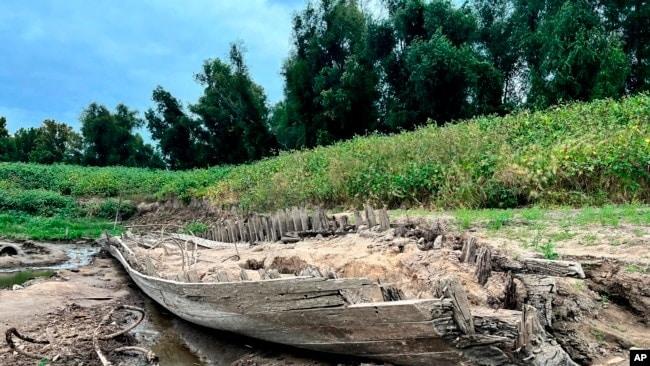
Hunger stones, wrecks and bones: Europe’s drought brings past to surface

Receding rivers and lakes have exposed ghost villages, a Nazi tank and a Roman fort

The warning could not be starker. Wenn du mich siehst, dann weine (“If you see me, then weep”), reads the grim inscription on a rock in the Elbe River near the northern Czech town of Děčín, close to the German border.

As Europe’s rivers run dry in a devastating drought that scientists say could prove the worst in 500 years, their receding waters are revealing long-hidden artefacts, from Roman camps to ghost villages and second world war shipwrecks.

The so-called “hunger stone” at Děčín is one of dozens in central European rivers engraved to mark their levels during historic droughts – and warn future generations of the famine and hardship likely to follow each time they became visible.

Share

Japan’s wildlife turns on the human population

Dramatic changes in the landscape of rural Japan have caused significant changes in the behavior of the nation’s wild animals, leading to more frequent — and more violent — clashes with humans.

In years gone by, bear attacks have typically accounted for the majority of the attacks on humans, along with occasional rampages by boars. But there has been a sharp increase in reports of attacks by monkeys this summer, while authorities in one coastal city have warned of dolphins becoming aggressive toward swimmers.

Share