
Disruptive technologies like AI are empowering bad actors faster than law enforcement can respond.
On New Year’s morning, American citizens awoke to news of another mass-casualty terror attack. Using a rented a pick-up truck, a man plowed through revellers on New Orleans’s Bourbon Street, killing 14 and wounding at least 57 others.
This was no crude act of vehicular terrorism: the attacker employed smart glasses to reconnoiter the area before striking. He had wired his vehicle with improvised explosive devices (IEDs), and strategically planted additional bombs across the neighborhood. The materials used were not black-market contraband but commercially available technology, repurposed for destruction.


The alleged wheelman in the 2023 heist at Toronto’s Pearson airport has agreed to plead guilty to arms-trafficking charges in the U.S., which prosecutors allege stemmed from an effort to spend some of $20 million worth of stolen gold on guns.


Vibrant diversity 
It was at a news conference back in January that Toronto police gave members of the public a glimpse at an investigation involving what they described as “violent” Mexican organized crime group known as the Jalisco New Generation Cartel.
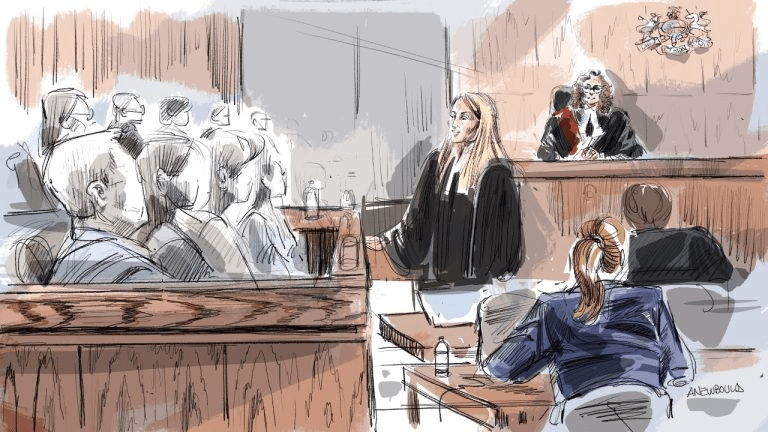
A mass stabbing at a University of Waterloo gender studies class was not a terrorist attack but a “particularly grave” hate crime meant to make people feel unsafe in those spaces, an Ontario judge ruled Monday in sentencing the attacker to 11 years in