Great powers, losing patience, sign a document and persuade themselves that it is strategy. The Islamic Republic of Iran has watched this habit in Western capitals for over 40 years and learned to feed on it. What it had not yet absorbed is that an administration can run two contradictory instruments at once, letting the weaker one absorb the enemy’s hopes while the stronger one quietly sets the terms.
“US Israel Iran War”
Paper Agreements Will Not Disarm Terrorists
For decades, Western diplomats and decision-makers have clung to one of the most dangerous illusions in the Middle East: the belief that Islamist terrorist organizations can be persuaded through negotiations and diplomatic agreements to surrender their weapons and abandon their jihad (holy war) against Israel.
Reality continues to prove that persuading terrorist regimes to give up their weapons is not the walk in the park they might have hoped.
Trump says U.S. and Iran will meet to negotiate after days of strikes
After days of U.S. and Iranian strikes tested the fragile ceasefire agreement signed this month and raised questions about the state of talks to reach a broader peace, President Donald Trump early Monday said the two sides would meet the following day in Qatar, at Iran’s request.
White House press secretary Karoline Leavitt told Fox News that special envoy Steve Witkoff and Trump’s son-in-law Jared Kushner would be traveling to Doha this week to discuss the memorandum of understanding the two sides signed this month.
⚡️ Leavitt confirms talks in Doha, other sources rejected them
🔹 White House Press Secretary Karoline Leavitt appeared on Fox News on Monday saying that Iran had requested a meeting for this week, so Witkoff and Kushner would be flying to Doha to take place in the 'high-level… pic.twitter.com/NwiuwjJ8VU
— Agoraphobic Journalist (@UnknownNewsMan) June 29, 2026
US and Iran trade strikes as both sides accuse the other of endangering ceasefire
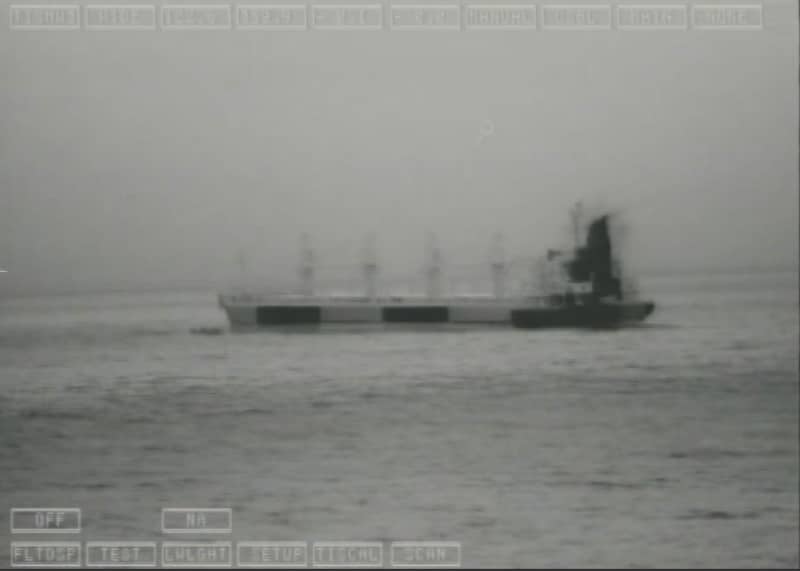
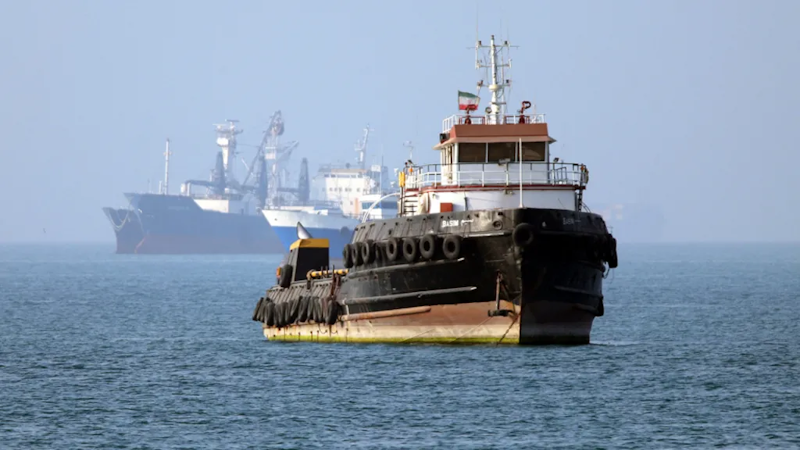
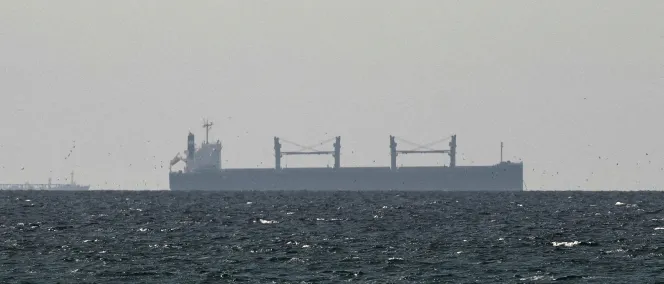
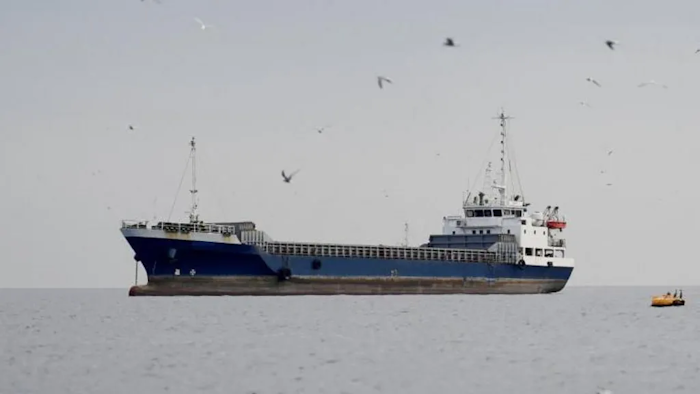
The US military has launched further strikes on multiple targets in Iran, a day after it struck Iran in retaliation for a drone attack on a cargo ship in the strait of Hormuz.
US Central Command (Centcom) said its strikes were in “direct response to continued Iranian aggression against commercial shipping” and that it had targeted Iran’s “military surveillance infrastructure, communication systems, air defense sites, drone storage facilities, and minelayer capabilities” in response.
U.S. Navy and Air Force fighter jets conducted strikes tonight on 10 Iranian military targets at multiple locations in and near the Strait of Hormuz for Iran's drone attack on M/T Kiku. pic.twitter.com/Z0TLZRqmF6
— U.S. Central Command (@CENTCOM) June 28, 2026
U.S. Bombs Iran's Sirik and Qeshm for a SECOND Straight Day
CENTCOM hit Iranian coastal radar, drone storage, and minelayer sites again this morning, days after Washington signed an MOU it now treats as a license to strike at will. I
ran's position is plain: Article 5 of the… pic.twitter.com/noWOfDcVlj
— Ryan Rozbiani (@RyanRozbiani) June 27, 2026
h/t Mauser
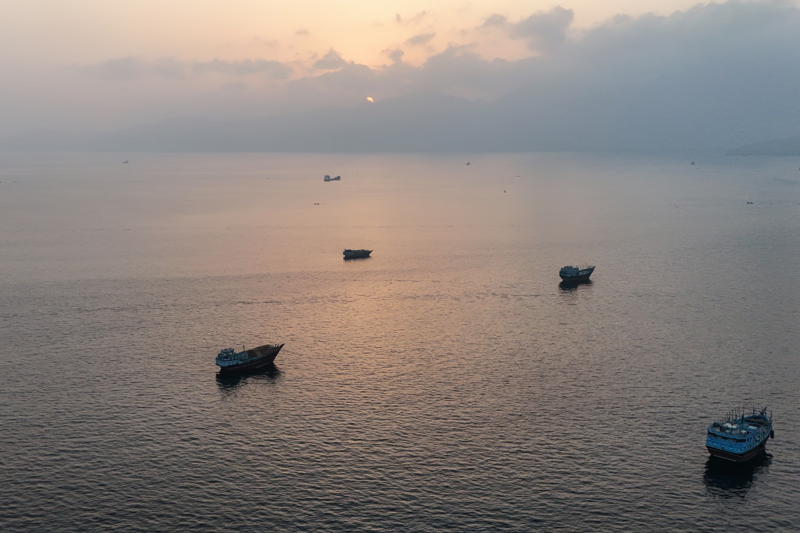
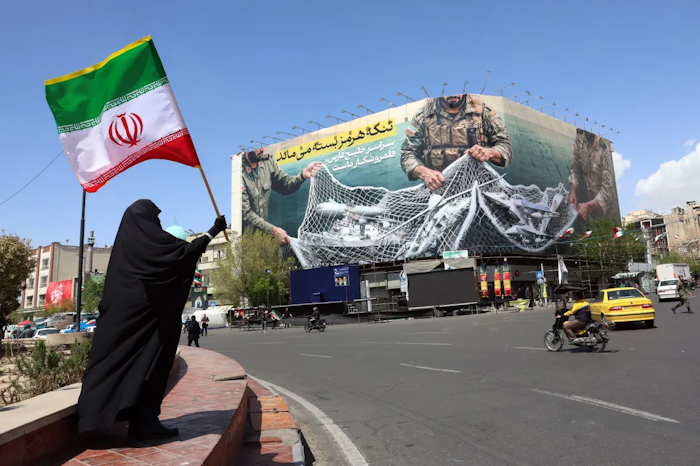
Iran Is Never Going to Stop Shutting Down the Strait of Hormuz
Iran only has one card to play and that’s shutting down the Strait of Hormuz. So it’ll never stop doing it.
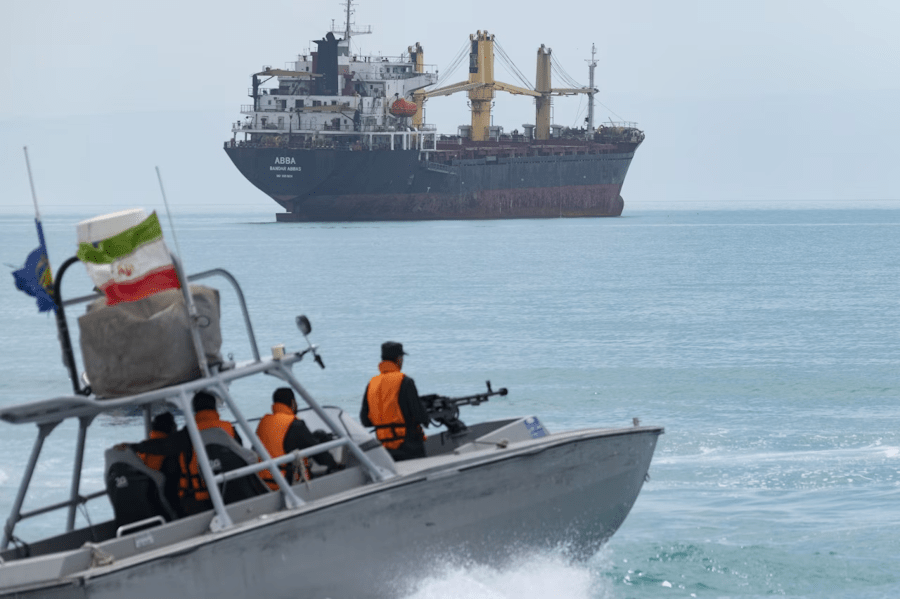
Iran’s leaders, unsatisfied with billions in oil sales, access to cash, and promises of sanctions relief and $300 billion in the deal, are trying to charge for access to the strait, meanwhile despite the waivers of oil sales, they’re attacking ships passing through the strait to show they’re in charge.
Iran’s ‘Deal’: What Happens After Trump?
The Iranian regime’s strategy is clear: survive the pressure of President Donald J. Trump’s second term by any means necessary, secure breathing room through negotiations, and position itself for a far more aggressive posture once his administration is over. Iran has long mastered the art of playing for time: it sees that American presidential terms are finite, while its own project is not. With Trump’s decisive military actions having inflicted significant damage on Iranian capabilities and proxies, the regime finds itself economically crippled and militarily weakened, yet determined to drag out talks, extract concessions, and wait.
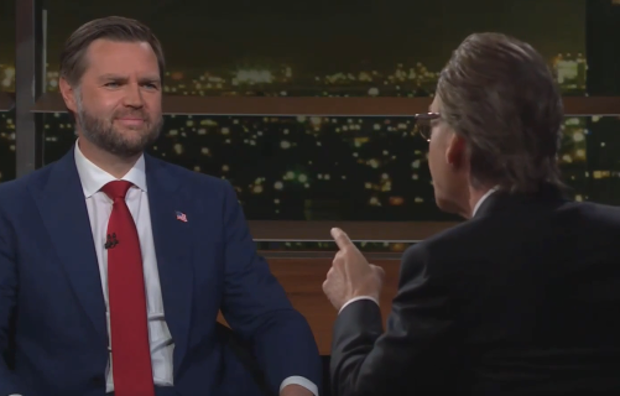
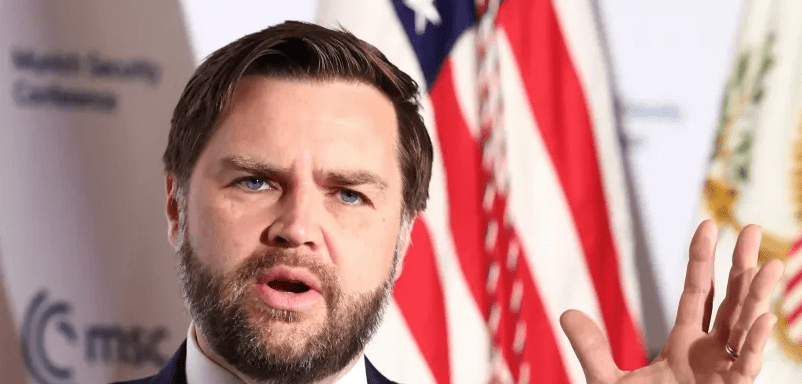
JD Vance claims US holds all the cards in Iran and will win ‘either way’
JD Vance said on Friday that the US wins “either way” regarding negotiations with Iran, pointing to what he called the destruction of its nuclear program and diminishment as a country.
“If we make the final deal, then great,” the US vice-president told HBO’s Bill Maher. “If we don’t make the final deal, their nuclear program is still destroyed. They’re still much weaker as a country, so my attitude is America wins either way.”
.@JDVance gets pressed by Bill Maher on Iran. His response is excellent. Show this to your liberal friends. pic.twitter.com/li9bewN5y0
— Buzz Patterson (@BuzzPatterson) June 27, 2026
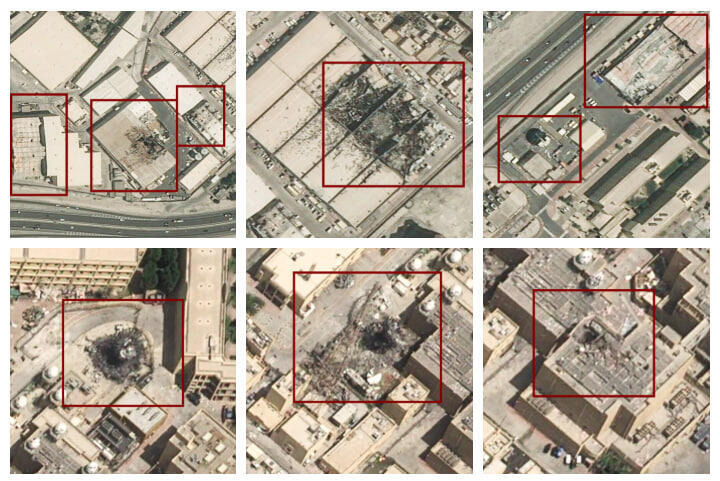
How Iran devastated an American naval base—and caused a US recalculation
When the Iranian missiles and drones came for the nerve center of America’s naval operations in the Middle East, some of them hit their mark.
The U.S. Navy base in Bahrain was repeatedly targeted between late February and June. Strikes that got through caused extensive damage, according to a Wall Street Journal analysis of satellite imagery, social-media footage and interviews with current and former servicemembers—damage that the Pentagon hasn’t publicly acknowledged. Hit hard were the command headquarters and at least a dozen other buildings, along with two satellite communications terminals.
The military said no one was killed at the base, known as Naval Support Activity Bahrain, and that the strikes didn’t significantly impact operations. The U.S. evacuated most personnel but has kept a small staff on the ground.

🚨 JUST IN: Bahrain has just been STRUCK by Iran after President Trump showed them FAFO for attacking a ship in the Strait of Hormuz
If Iran keeps this up, expect them to find out the hard way with 47!
He will NOT play this game 🔥 pic.twitter.com/LcYMElIYoA
— Eric Daugherty (@EricLDaugh) June 27, 2026
Can the US cancel Iran’s Hormuz get-out-of-jail-free card?
Iran‘s closure of the Strait of Hormuz energy chokepoint was the linchpin of its recent victory over the United States. There is no question that Iran is the victor as things stand. While suffering vast damage to its economy, military, and leadership, the Islamic Republic has held on. Not only that, but President Donald Trump is now allowing Iran free rein to sell tens of billions of dollars of oil. Iran will use some of the proceeds for terrorism. Major sanctions relief also beckons over the horizon as the two countries move to negotiate a final end to the war. And while this sanctions relief is dependent upon Iranian nuclear concessions, Trump’s desperation to end the war suggests that his terms will be lenient.
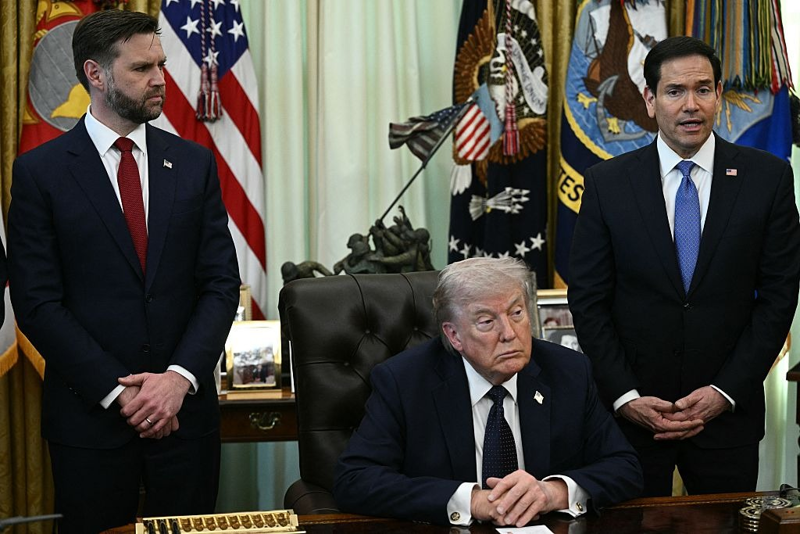
JD Vance is the face of the beleaguered Iran deal – is he its fall guy?
JD Vance has taken the greatest gamble of his vice-presidency by making himself the face of the Iran ceasefire deal – a shaky agreement that already seems to be unraveling at the seams.
But after months spent in limbo due to the war, it may be the best chance for him to find his feet again.
A funk had set over the US vice-president’s camp since the administration launched its war in Iran in February. Vance, a vocal opponent of the “forever wars” of the previous administrations (he had served as a combat correspondent in Iraq), was now being forced to defend the largest US military intervention in the Middle East in a generation. In public, he had been left out of the war room at Mar-a-Lago and appeared to be distanced from the Iran war planning. In private, journalists were being briefed on his opposition to the war.
There’s little to celebrate when the West gets a beating
There is only a deep bitterness to feel about the state of what the great writer Maurice Dantec called “Zeropa.” And as often happens, it is an Italian video that reminds us of it.
Italy’s so-called “head of diplomacy” Antonio Tajani writes:
“The Italian merchant ship ‘Grande Torino,’ of the Grimaldi group, just hours after the signing of the agreement between the USA and Iran, was among the first to cross the Strait of Hormuz. It is now sailing toward the East. A success for Italian diplomacy. Great news for the resumption of commercial traffic and especially for all the sailors on board and their families in Italy.”
Congress passes war powers measure for first time, breaking with Trump over Iran
The Republican-controlled US Senate has approved a measure demanding that President Donald Trump halt the war in Iran or seek congressional approval before continuing military action.
But the resolution is largely symbolic because, even after passing both chambers of Congress, it will not be sent to Trump for his consideration and does not carry the force of the law.
A handful of Republicans joined Democrats in Tuesday’s 50-48 vote. The same measure was passed by the US House of Representatives earlier this month.
Iran, Like Hamas, Has No Intention of Fulfilling Trump’s Peace Demands
Hardly has the ink on the 14-point Memorandum of Understanding that US President Donald J. Trump signed with Tehran had a chance to dry than it has become abundantly clear that Iran has no serious intention of abiding by the agreement’s demands — namely abandoning its efforts to acquire nuclear weapons and re-establishing freedom of navigation through the Strait of Hormuz.
We’re about to find out how much the GOP base trusts Trump on Iran
Whether congressional Republicans come around on the emerging deal to end the Iran war may hinge on whether the GOP base continues to trust President Donald Trump on the issue as his approach shifts from military force to diplomacy.
A split among rank-and-file Republican voters could embolden GOP lawmakers to stick to their own positions on the Iran talks, with many of them extremely wary of negotiating with the Iranian regime.
Trump’s Iran ‘Peace’ Deal is a Shrewd Midterm Maneuver
On June 17, President Donald J. Trump announced a framework agreement with Iran that extends a shaky ceasefire for another 60 days, lifts the U.S. naval blockade on Iranian ports and the Strait of Hormuz, and lets oil exports resume.
The deal entails Iran starting to dilute some highly enriched uranium stockpiles. It also features limited sanctions waivers from Uncle Sam. Bigger disputes like the full Iranian nuclear program’s fate and the Islamist theocracy’s ballistic missiles were pushed into that two-month negotiating window.