For the past two years, a steady stream of world leaders has flocked to Israel to cajole and pressure the only democracy in the Middle East into stopping its self-defense against Iran’s proxies in Gaza — Hamas and Palestinian Islamic Jihad — who carried out the October 7 massacres and have launched more than 10,000 rockets into Israel, attempting to perpetrate mass slaughter. Let us hope that with US President Donald J. Trump’s new “Iran deal,” this abuse will stop. It is to be hoped that liberating Lebanon from Hezbollah will still be possible.
“US Israel Iran War”
What’s in the US-Iran agreement?
US officials have unveiled the full text of the US-Iran Memorandum of Understanding to extend the ceasefire, open the Strait of Hormuz and, they hope, end the conflict between the two countries nearly four months after it began.
The Trump administration has described the 14-point agreement as “performance-based”, with Iran benefitting only if it complies with its commitments.
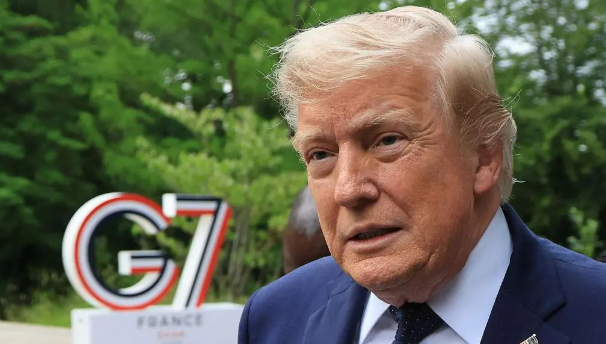
Speaking at the G7 summit in Evian-les-Bains in France, President Donald Trump said that the deal will be formally signed “shortly” – potentially as soon as Thursday.
Trump casts doubt on landing Iran deal Friday: ‘You never know’
President Donald Trump gave a cryptic answer Wednesday that cast doubt on Friday’s planned signing ceremony for the U.S.-Iranian 60-day ceasefire deal.
Trump spoke to reporters Wednesday during his bilateral meeting with Indian Prime Minister Narendra Modi, where he defended the memorandum of understanding ending the Iran war.
BREAKING: "If I don't like it, we'll go back to shooting at them, dropping bombs on their head."
President Trump warns Iran that any change to the peace agreement or failure to comply could bring an immediate military response.
"If they don't behave, we'll go right back to… pic.twitter.com/67JRcDptYS
— Fox News (@FoxNews) June 17, 2026
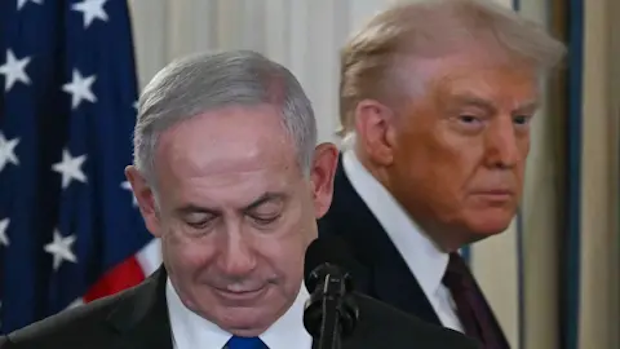
Iran deal presents political nightmare for Netanyahu
The US ceasefire agreement with Iran has presented Israel’s prime minister with a political nightmare, smashing the three cornerstones of Benjamin Netanyahu’s political career, and leaving him trapped in a new security dilemma.
How can the man who styled himself as the political whisperer of Washington, with real influence over American politicians, be sidelined quite so comprehensively and insulted so publicly by his key US ally?
How can the man who made taking on Iran the centre-piece of Israel’s security policy end the war with Iran’s regime arguably in a stronger position?
Trump’s deal with Iran will make the world’s tyrants smile
We do not yet know the full terms of the Iran deal but we know how President Trump interprets it. His achievement, as he sees it, would have come as a surprise to many of the war’s backers four months ago.
“Many presidents have tried to make peace with Iran,” he said on Sunday night. “All have failed before me.”
When an Israeli airstrike killed the supreme leader, Ayatollah Ali Khamenei, on the war’s first day, peace with the regime did not seem to be the end goal. Now Trump has not only made peace with the regime, he seems to have made peace with the idea that the regime is here to stay.
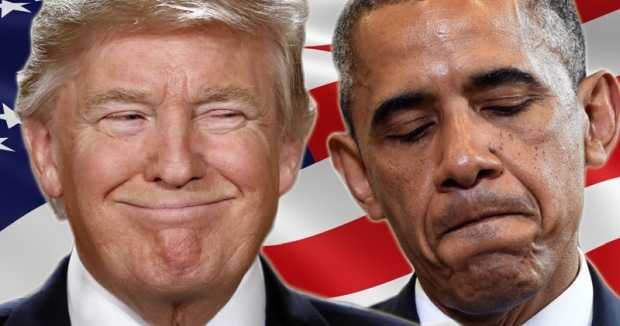
Yes, Trump’s Iran Deal Is So Much Better Than Obama’s
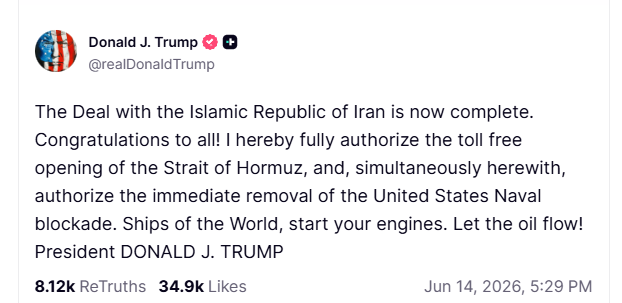
President Donald Trump announced Saturday that the United States has reached a peace deal with Iran, and the contrast with what Barack Obama handed the world in 2015 could not be starker. “The Deal with the Islamic Republic of Iran is now complete,” Trump posted on Truth Social Sunday. “Ships of the World, start your engines. Let the oil flow!” The naval blockade on Iranian ports has already lifted. The Strait of Hormuz is open. And for the first time in a long time, there’s an actual framework that puts nuclear weapons permanently off the table.
Israelis denounce Trump’s deal with Iran
JERUSALEM — A “catastrophe.” A “bad deal.” An agreement that “throws a lifeline to the murderous regime in Tehran.”
Among Israeli Prime Minister Benjamin Netanyahu’s supporters and critics alike, in the press and on social media, the mood was clear as Israelis woke up Monday to news of a peace agreement between the United States and Iran: President Donald Trump’s deal is not one that many in Israel like. Iran, they say, will remain a threat.
The US and Iran have agreed a deal. How soon could things go back to normal?
More than two months after the US and Israel first began their war with Iran, the White House and the Iranian regime have agreed a framework deal to bring about a more long-term end to hostilities.
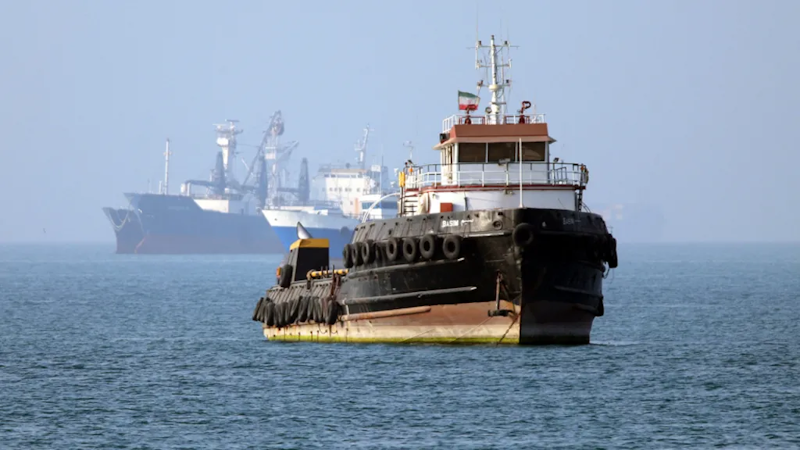
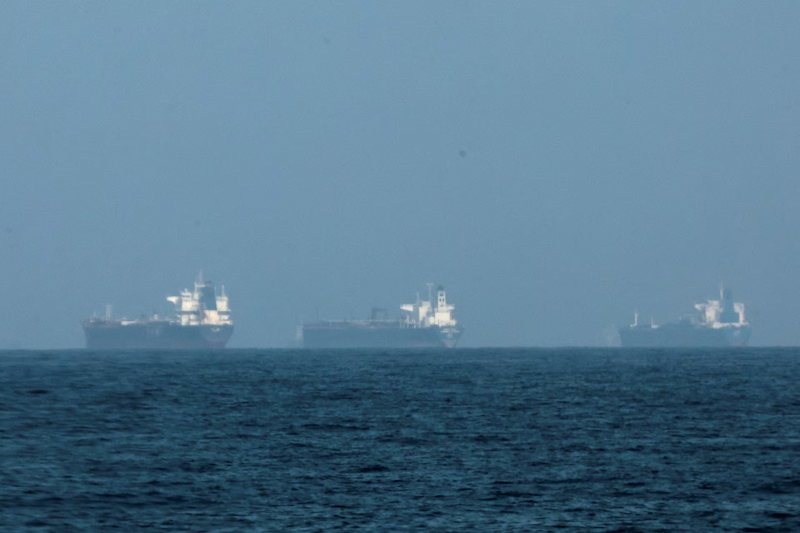
The Middle East crisis sent global oil prices soaring as the conflict effectively closed one of the world’s key water transport routes for oil, liquid natural gas and other essential commodities, limiting global supplies.
But experts warn a return to normal shipping through the Strait of Hormuz will take time, and the impact of the war will continue to affect the global economy for potentially months to come.
Pakistan says US and Iran have reached peace deal as Trump posts ‘let the oil flow!’
Getting to this point has taken weeks of careful negotiation, with Pakistani mediators balancing the competing, often contradictory, demands of Tehran and Washington.
In the end, they seem to have managed to get both sides to agree to the same deal, reopening the Strait of Hormuz and lifting the US blockade, according to Trump, and ending the fighting – including in Lebanon.
JPost – Trump announces US-Iran peace deal has been completed, Strait of Hormuz to reopen
Arutz Sheva – Trump announces deal with Iran is complete, signing scheduled for Friday
Telegraph – US and Iran have agreed peace deal, says Trump
Guardian – Donald Trump says deal with Iran ‘is now complete’
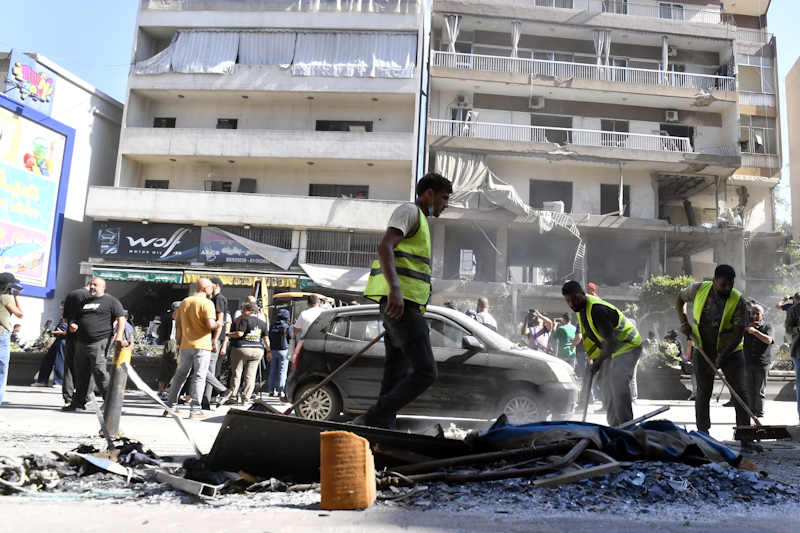
‘Let’s not blow it’: Trump calls for restraint after Israel launches fresh airstrikes on Beirut
Donald Trump was forced to call for restraint on Sunday after Israel launched fresh airstrikes on Beirut as mediators sought to conclude negotiations on a preliminary peace deal between Iran and the US that would bring the three-month war in the Middle East to a definitive end.
Trump played down new Israeli strikes but said “all sides should stand down”.
Iran’s Regime Is Irreformable: Time to End It Once and For All
We have seen in the last few weeks — and for the last 47 years — that Iran’s regime is not one with which any responsible actor should seek a deal. Iran’s rulers might sign a piece of paper — as Palestine Liberation Organization (PLO) Chairman Yasser Arafat did with Israeli Prime Minister Yitzhak Rabin with the 1993 Oslo Accord – but, like the PLO, its fundamental goals will not change.
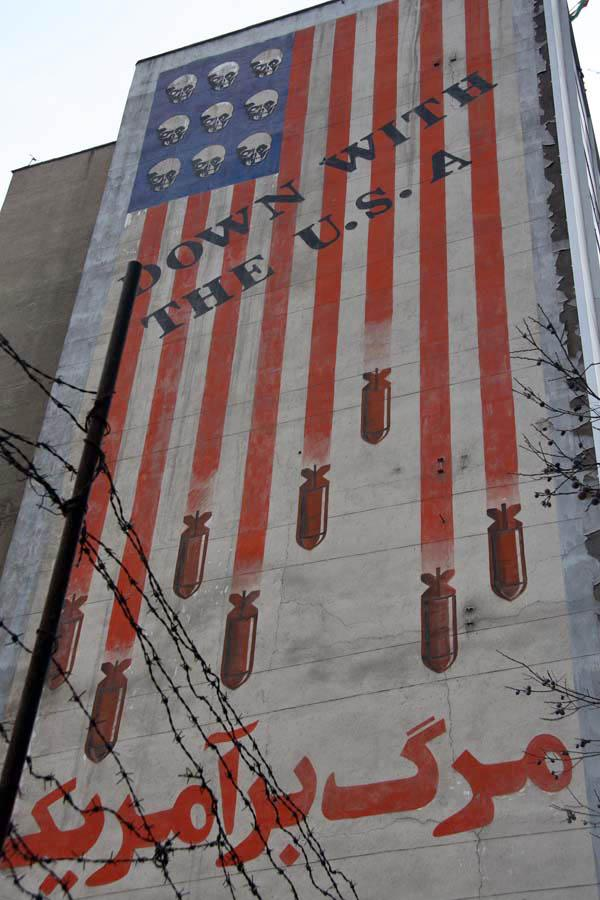
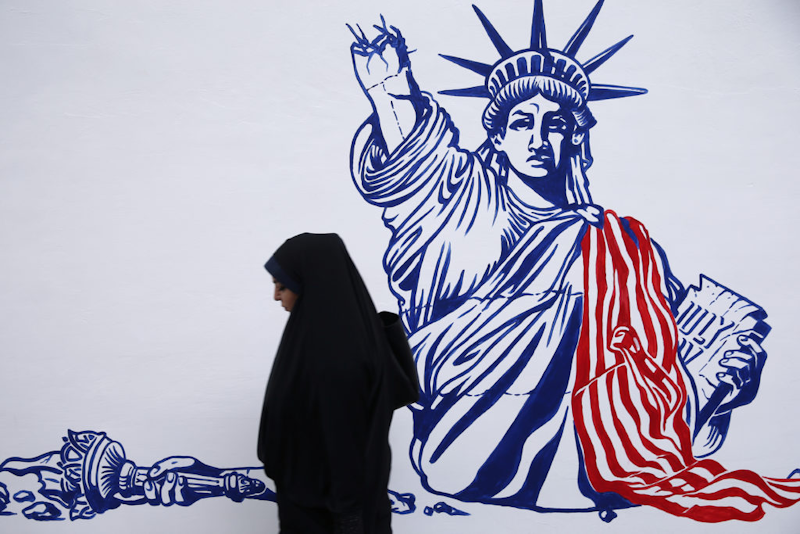
Iran’s regime is fundamentally revolutionary. It seized power in 1979 with an identity rooted in anti-Americanism, anti-Semitism, and the suppression of Iranians seeking liberty. This identity defines it. Even if individual figures shift or new “moderates” appear at the negotiating table, the underlying revolutionary structure endures. The regime cannot abandon “Death to America” or “Death to Israel” without dissolving its own reason for being. Leaving it in place only ensures that it will dig its hooks in even deeper — especially after President Donald J. Trump leaves office and his successor possibly turns to interests more enjoyable than “enforcement.”
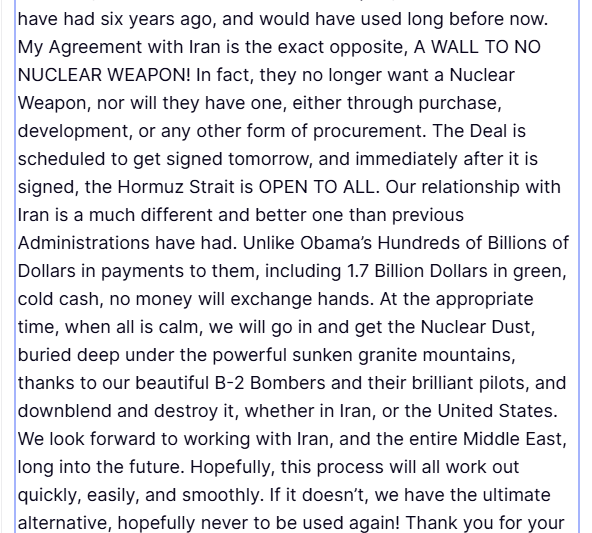
US-Iran deal scheduled to be signed on Sunday, says Trump
A deal to end fighting between the US and Iran is “scheduled to get signed” on Sunday, US President Donald Trump has said – but Iran has cast doubt on the timing.
In a post on social media, Trump also said the Strait of Hormuz, a key shipping route for the world’s oil and liquefied natural gas, would be “open to all” following the deal.
Earlier Pakistan, a key mediator, said finalisation of the deal was expected within 24 hours and they were “preparing for the electronic signing”.
Deal to end fighting would lead to Hormuz reopening, Iran says
A deal with the US to end fighting in Iran is close and includes reopening the Strait of Hormuz, Iran’s Foreign Minister has said.
Seyed Abbas Araghchi told state TV the deal also includes the lifting of a US blockade of Iran, but that talks on Iran’s nuclear programme would begin later.
US officials have confirmed some of the details of the agreement, saying economic benefits for Iran would depend on Tehran meeting its obligations.
There Is No ‘Good Deal’ to be Made with Iran’s Regime
Before agreeing to the JCPOA (the Iran “nuclear deal”) in 2015, President Barack H. Obama assured the American people that he understood, in the words of his press secretary, Josh Earnest, that “no deal is better than a bad deal.”
Obama then proceeded to make a historically epic terrible deal.
Trump fumes over ‘fake’ peace deal terms leaked by Iran
President Donald Trump claimed that the ceasefire terms reported by Iranian state media on Friday were “fake news” and denied offering any monetary compensation to Tehran to secure its cooperation in ending the war.
Iranian state media began circulating a 14-point ceasefire agreement Friday morning that included more than $300 billion being paid out to Iran. Some of that, $24 billion, was Iranian assets frozen by international banking institutions, while the remaining $300 billion was to be paid by the United States as reparations for damage caused by months of airstrikes.