Many Western Governments Won’t Survive

Many Western Governments Won’t Survive

Western governments have put themselves in mortal danger.

They are actively doing things that are destroying their countries: (1) replacing their native citizens with unassimilable foreigners; (2) centralizing government power in unelected and unaccountable bureaucracies; (3) censoring and criminalizing public dissent; (4) offshoring industrial and manufacturing jobs; (5) exacerbating energy costs and general inflation by demonizing hydrocarbons and pushing “global warming” delusions; (6) increasing taxes, government spending, and public welfare in unsustainable ways; (7) demolishing their nations’ historical identities, traditions, beliefs, and common cultures; (8) providing foreigners with “free” homes, food, and educations, while accusing native citizens of being “racists,” “xenophobes,” and “white supremacists”; (9) discouraging healthy marriages and stable families; and (10) indoctrinating the youngest generations to believe that war, “climate change,” overpopulation, and economic collapse will prevent them from ever having happy, hopeful, purposeful futures.


I would not go to war under a Carney government that is certain.

Share

Defending European Civilization

Defending European Civilization

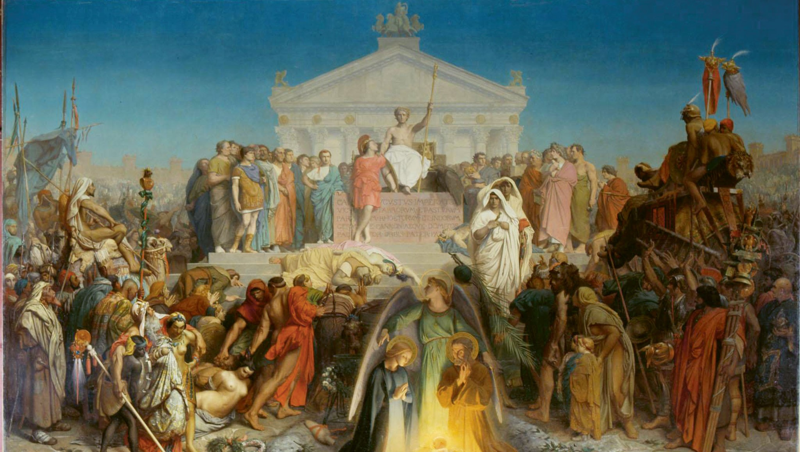
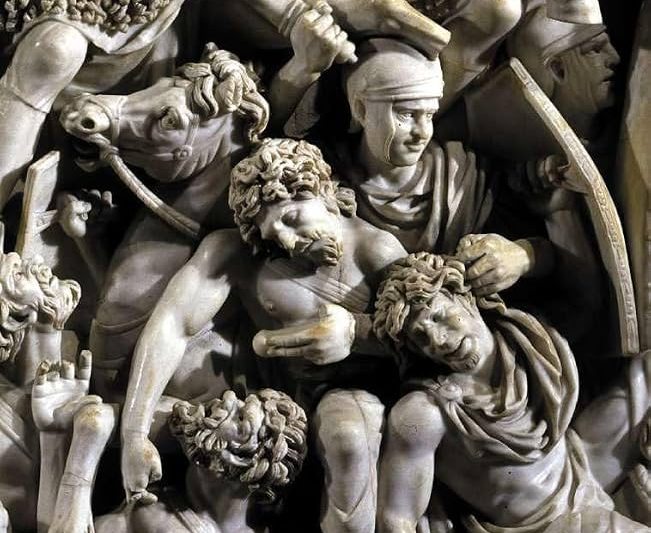
As many of my readers know, my thoughts on modern Europe are essentially based on historical comparatism, and particularly on the similarities between today’s West and the crisis of the Roman Republic during the first century BC.1 Mass migration, declining birth rates, social polarization, the implosion of the family, the decline of traditional religion, asymmetric wars, globalization, the crisis of cultural identity, insecurity, the transformation of a participatory political system into an oligarchy, and populism—none of this is unique to the twentieth and twenty-first centuries, but can also be found at the end of the Roman Republic. The consequences were first an endemic political and economic crisis, then a period of disorder and civil war, and finally the rise to power of a conservative, plebiscitary authoritarian regime as the only means of mediating between opposing ethnic and political groups—and at this point, I find it difficult to see how France, Germany, or even Europe as a whole can escape such a development.

Share

The West at a Crossroads: Excellence or Mediocrity?

The West at a Crossroads: Excellence or Mediocrity?

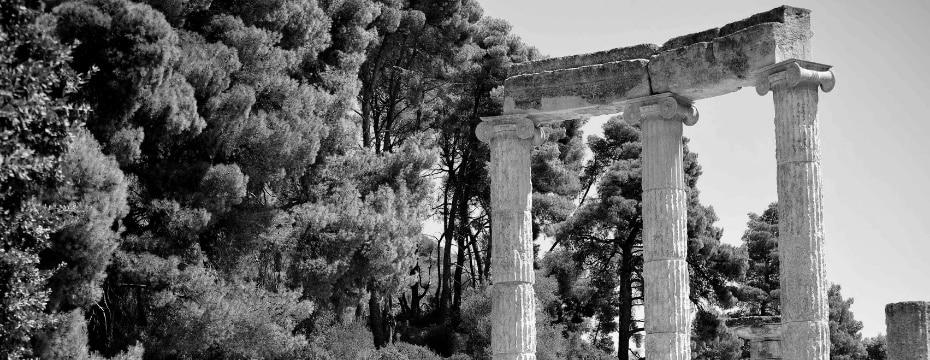
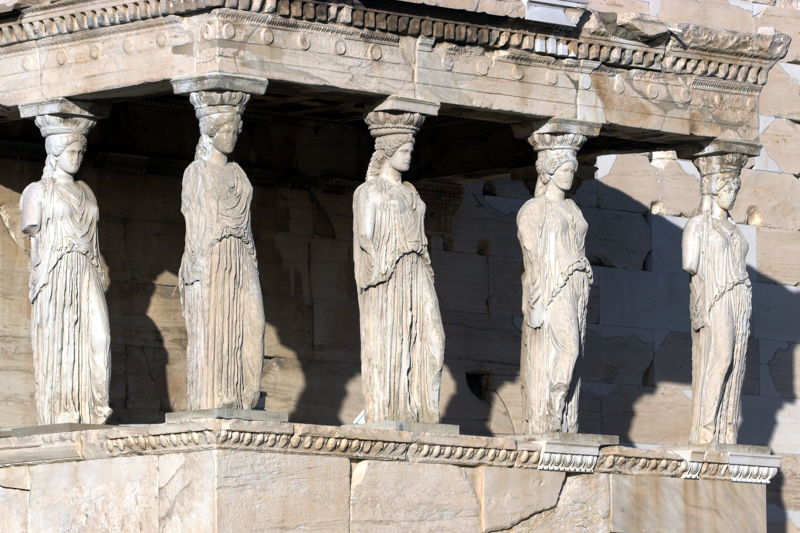
It would have been hard to improve the backdrop for Marco Rubio’s foreign policy address on October 7 in Athens, Greece. Standing on the Pnyx with the ruins of the Parthenon rising up behind him, the Secretary of State delivered a speech that won almost universal plaudits. Let me toss my vote in with the overwhelming majority and affirm that Rubio’s speech was simply splendid: robust, heartfelt, honest, masculine, and true.

Share

Will We See Western Capitals Fall?

Will We See Western Capitals Fall?

Consider these recent news headlines: (1) “NYC Turns Back to Gas Buses After Finding Out the Hard Way That the Electric Versions Have Big Problems,” (2) “As a Former Head of MI6 it’s Clear That Britain’s Climate Policy is Leaving Us Dangerously Exposed to Our Enemies,” and (3) “Spain: 74% of sex-crime suspects are foreigners in Basque Country.”

They come from three different Western nations and involve three dissimilar subjects — public transportation, national security, and violent crime — yet each news story exposes the real-world consequences of government failure … 

Share

Quo Vadis, Europe: A New Dark Age or the Next Renaissance?

Quo Vadis, Europe: A New Dark Age or the Next Renaissance?

Europe today resembles a civilization that has forgotten not only what it once was, but why it ever existed. There is something tragic, Shakespearean, about watching the slow eradication of nations that produced Aristotle and Aquinas, Dante and Da Vinci, Newton and Einstein, the Renaissance and the industrial age. Andre Rieu playing the violin while the continent burns.

Spoiled by prosperity generated by their entrepreneurs. Lulled into a deceptive sense of safety created by the rise of America’s military power after WWII. Deceived by their elites into seeing their shared cultural values as embarrassing relics of pre-globalist times. Opening the gates to migrants from dysfunctional societies, with no opportunities or demands for assimilation.

Share

Ceuta: The Time-Lapse Photo Of Western Collapse

Ceuta: The Time-Lapse Photo Of Western Collapse

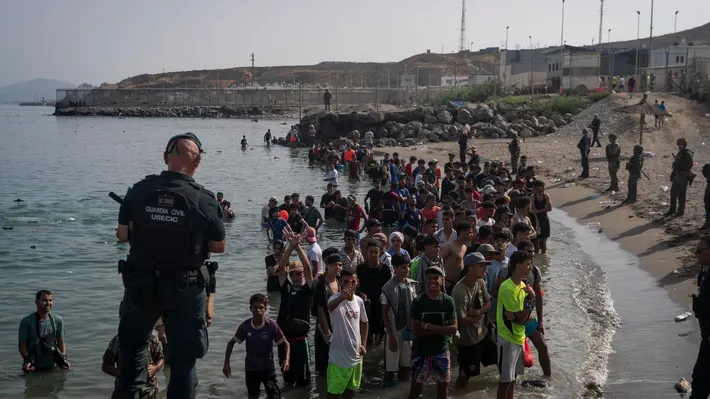
I find time-lapse photography fascinating. One of my favorite examples is when someone in the far north points a camera at the North Star during winter and leaves it there overnight. The result is typically an image of silhouetted trees surrounding an array of circles made by the stars traveling across the sky as the Earth spins. Although that picture captures reality, there’s no moment when you could ever actually see it simply by looking up. It doesn’t actually exist as a single moment; it’s only by seeing the time-lapse that you can perceive it.

Share

The Rise or Fall of the West

The Rise or Fall of the West

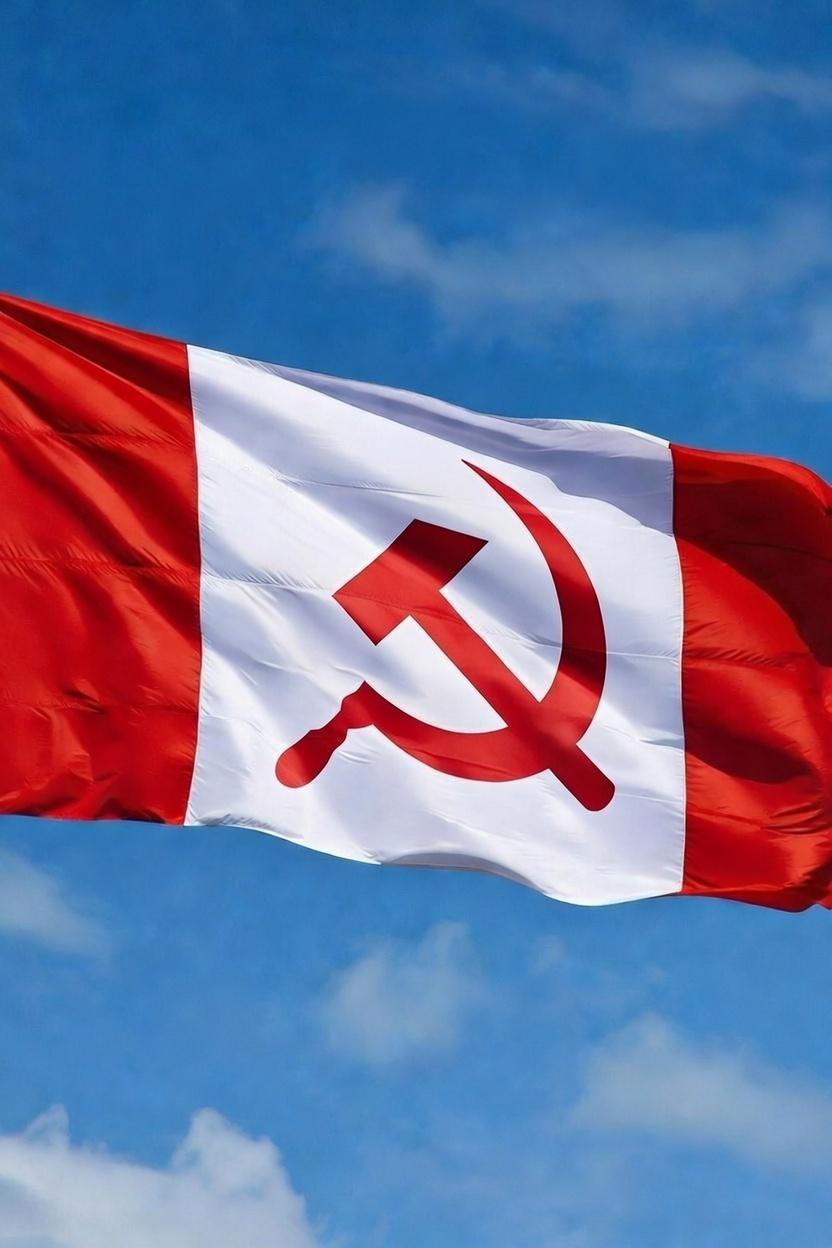
For more than half a century, the Left’s toxic one-world communist vision has dictated the trajectory of Western statecraft, establishing the supremacy of transnational governance over the traditional democratic republic. Globalist elites, radical Left-wing NGOs, and a political class consumed by civilizational self-loathing have pushed toward the shining horizon of a post-nationalist utopia, holding up this ideal as a triumph of cosmopolitan enlightenment. The promise was that by dissolving borders, dismantling shared cultural inheritances, and subordinating national sovereignty to unelected legalistic bodies, the West would enter a post-historical paradise.

Share

The Prophecy From Constantinople

The Prophecy From Constantinople

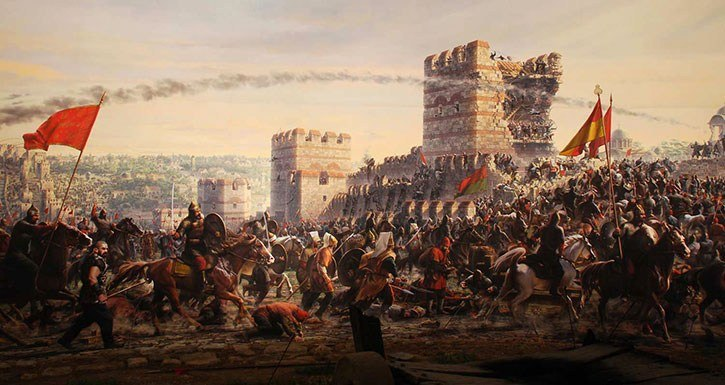
Mimicking the apocalypse in dramatic intensity, if not in scale, the Fall of Constantinople in 1453 rates as a turning point in history. Posterity may recognize both a brutal end to the Byzantine Empire and a stark warning of what happens when a weakened civilization faces an unrelenting conqueror. In significance, this event, where the ancient walls of the Eastern Roman capital crumbled under Ottoman cannon fire, surpassed a military defeat; it was the death knell for a millennium-old bastion of Christianity, signaling the inexorable advance of Islamic imperialism across Europe and the Near East.

Share

The Waning Of The West

The Waning Of The West

In the twilight of Western civilization, a demographic collapse is unfolding with chilling predictability. The descendants of Christian Europeans, the architects of past empires, dwindle inexorably, their numbers eroded by a fertility crisis that represents decline as much as it portends oblivion. Birth rates languish below replacement levels—averaging 1.5 children per woman across the continent—ensuring fewer heirs to sustain the cultural edifice erected over millennia. Leaving aside the statistical anomaly, this is a somber testament to an existential malaise, where the imperatives of posterity yield to the ephemeral pursuits of the self.

Share

The Interest in 1990s Nostalgia Should Shock Not Delight

The Interest in 1990s Nostalgia Should Shock Not Delight

When did you realise it was all over? For me, it was a couple of days ago when my son found me sobbing on the kitchen table. I had in my hands HMRC’s letter ordering me to buy some software and do my tax return five times a year. He (17) was insouciant: “What’s the problem, it’s just another laptop thing, why are you so het up about it?”

I replied with gut wrenching sadness that the world I grew up in is over. He and his brothers will never know it. It’s gone. And he can’t even appreciate what he is missing.

Share

BURTON: Why people are leaving Canada — a country testing the limits of decline

Canadians are leaving — not in small numbers, not quietly, and not for trivial reasons. They are leaving because Canada is becoming economically uncompetitive, socially fractured, politically coercive, and increasingly intolerant of dissent. This is not a matter of pessimism or ideology; it is a rational response to a country that is steadily eroding the conditions that once made it attractive to live, work, raise a family, and invest.

For decades, Canada enjoyed a reputation as a stable, rules-based democracy with opportunity, fairness, and freedom at its core. That reputation is now under serious threat. People are voting with their feet, and the message they are sending is unmistakable: Canada is losing its way.

h/t Patti Jo

Share

The Second Horseman of the Apocalypse

Predictably, human nature remains constant across the centuries, driven by the same primal impulses—ambition, fear, greed, and tribal loyalty—that fuel conflict and upheaval. These enduring drives and emotions ensure that humanity cannot permanently exorcise evil; it persists, resurfacing in ever-shifting forms.
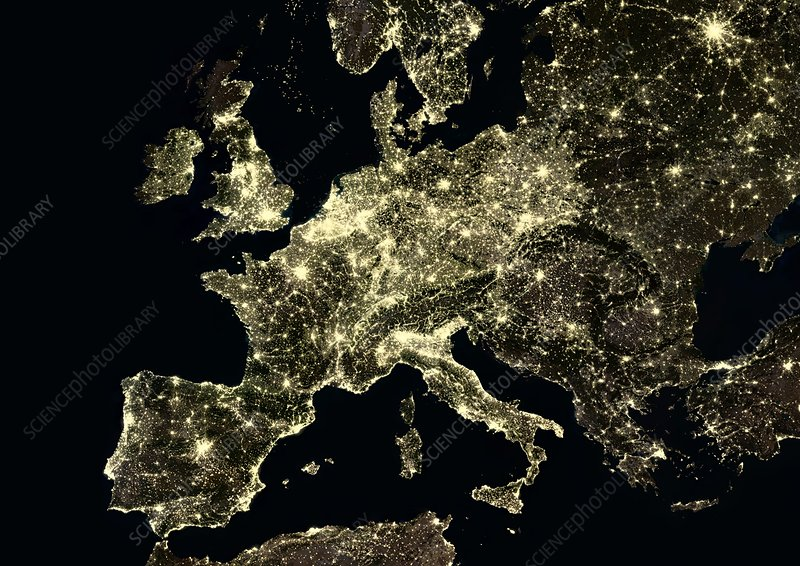
In the twentieth century, Western civilization teetered on the brink of annihilation, barely surviving the twin horrors of Nazism and Bolshevism. These ideologies, shrouded in propaganda myths about “race” and “class”, respectively, unleashed unprecedented destruction, claiming tens of millions of lives and threatening the very foundations of liberal democracy. Yet, survival came at a staggering cost, leaving scars that should have instilled constant vigilance.

Share

How to destroy a country, part 4

Introduce mass immigration. The white working class ‘betrayed’ the hard left when they failed to rise in the much longed-for proletarian revolution, and they failed to rise because they had become too affluent. The Marxist solution was to introduce a new, foreign-born ‘oppressed proletariat’ as a means of enabling Socialism’s march toward total power. The number of Third World immigrants in Britain runs into the millions. This deliberate racial dilution and dispossession of an indigenous people has never happened on such a scale – unless under threat or use of extreme violence.

Share